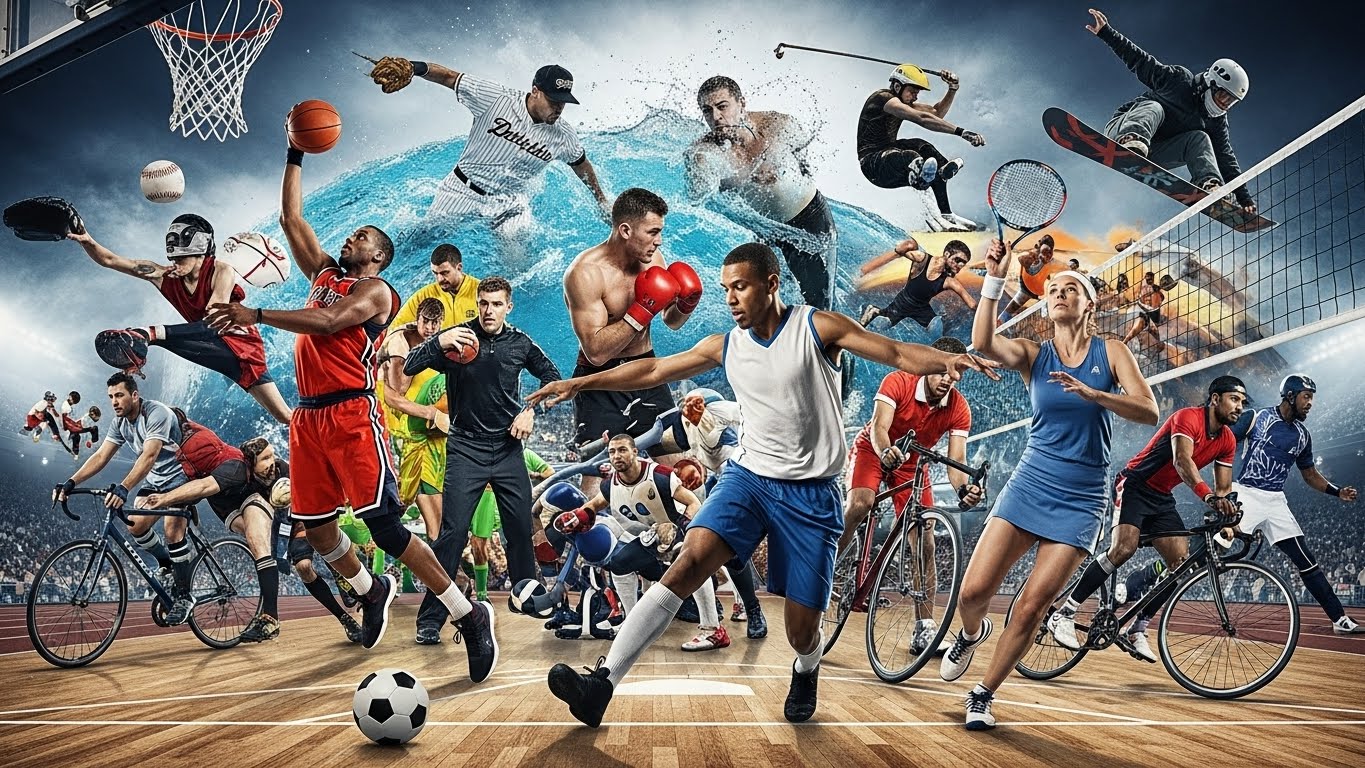

Introduction: The Magic of Sports
Sports have always held a special place in the human experience. Beyond the thrill of competition, the roar of the crowd, or the exhilaration of victory, there’s an unseen force that makes sports such a profound part of life. Sports transcend physicality, building communities, fostering personal growth, and uniting people across cultures, borders, and beliefs. In this post, we’ll dive into the hidden dimensions of sports that go far beyond the physical game itself.
1. Sports as a Universal Language
One of the most remarkable aspects of sports is their ability to connect people from all walks of life. Whether you’re playing or watching, there’s a common understanding that transcends language, ethnicity, and background. A touchdown, a slam dunk, or a perfectly timed goal can bring strangers together in a way that words alone cannot.
This universal appeal is particularly visible during global events like the Olympics or the FIFA World Cup, where millions of people worldwide share in the highs and lows of their teams. Even if people don’t speak the same language, the emotions felt during these games are universally understood. Sports, in this sense, are a form of communication that goes beyond words, binding us all together in a collective human experience.
2. The Mental Game: Building Resilience and Focus
While physical prowess is often the first thing that comes to mind when thinking about sports, the mental aspect is equally important. Whether you’re a seasoned athlete or a casual participant, sports teach invaluable life skills such as resilience, focus, and strategic thinking.
When an athlete steps up to the plate or prepares for a race, it’s not just about strength or speed but about mental toughness. The ability to remain calm under pressure, recover from mistakes, and stay focused on the end goal are all mental qualities that sports cultivate. These same skills transfer into everyday life, where resilience helps us tackle personal and professional challenges, and focus allows us to stay on track to achieve our goals.
3. Building Character Through Teamwork
In many sports, teamwork is not just an option—it’s essential for success. Whether it’s football, basketball, or soccer, athletes are required to work together, communicate, and support each other to achieve a common goal. This experience builds character, teaching lessons in patience, empathy, and cooperation.
For young athletes, playing in teams can be one of the most formative experiences in their development. The ability to put aside personal desires for the greater good of the team instills humility and a sense of shared responsibility. These values are carried beyond the sports field, shaping how individuals interact in the workplace, in families, and in communities.
4. The Health Benefits: More Than Just Exercise
While it’s well-known that sports contribute to physical fitness, the health benefits extend far beyond just burning calories or building muscle. Regular participation in sports improves cardiovascular health, boosts the immune system, and enhances mental well-being.
The release of endorphins during physical activity has a profound effect on mood, helping to alleviate stress and anxiety. For many, sports act as a natural antidepressant, providing an outlet for emotional release and promoting better mental health. Additionally, engaging in sports helps develop discipline, which can lead to better habits in other areas of life, from nutrition to sleep patterns.
5. Sports as a Lifelong Passion
Another beautiful aspect of sports is their ability to evolve with you. While some may think of sports as a young person’s activity, many individuals continue to engage with them throughout their lives. From playing tennis in retirement to running marathons or simply enjoying a game of pickup basketball, sports offer an enduring source of joy.
In fact, many athletes find that their involvement in sports doesn’t end when they leave the professional arena. Whether they transition to coaching, become active in community sports programs, or remain involved as fans, the love for the game often lasts a lifetime.
6. The Role of Sports in Community Building
At a local level, sports are a powerful tool for community building. Community sports leagues, youth programs, and school competitions provide a safe space for individuals to come together, make friends, and contribute to the well-being of their neighborhood. In addition to the social benefits, sports often provide opportunities for underprivileged individuals to gain access to resources, scholarships, and mentorship.
Moreover, sports have been used to bridge social divides, bringing people from different backgrounds together for a common purpose. Initiatives that promote inclusivity in sports help challenge stereotypes and promote equality, making sports a vehicle for social change. From the grassroots level to international initiatives, sports play an essential role in promoting unity and positive social values.
7. Conclusion: The Lasting Legacy of Sports
The power of sports goes far beyond the playing field. Whether through the lessons they impart, the relationships they build, or the way they shape communities, sports have a lasting impact on the world. They remind us that life isn’t just about winning or losing, but about growing, learning, and connecting with others in meaningful ways. As we continue to engage in sports, we not only grow stronger physically, but we also grow as individuals and as a society.
In the end, the beauty of sports lies in their ability to unite, inspire, and transform. So, the next time you step onto the field, pick up a ball, or cheer from the sidelines, remember that sports are about so much more than the game. They’re about life—its challenges, triumphs, and everything in between.