Introduction: The Universal Language of Sports
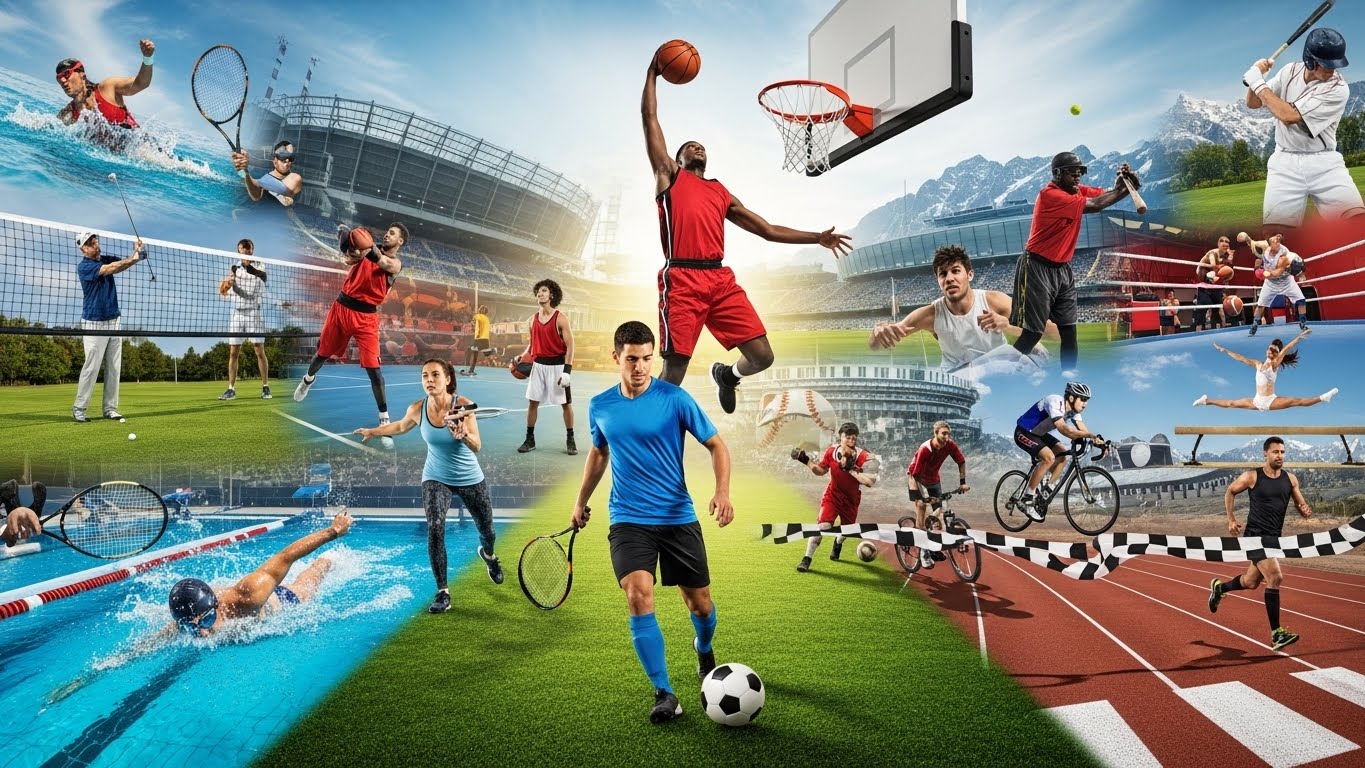
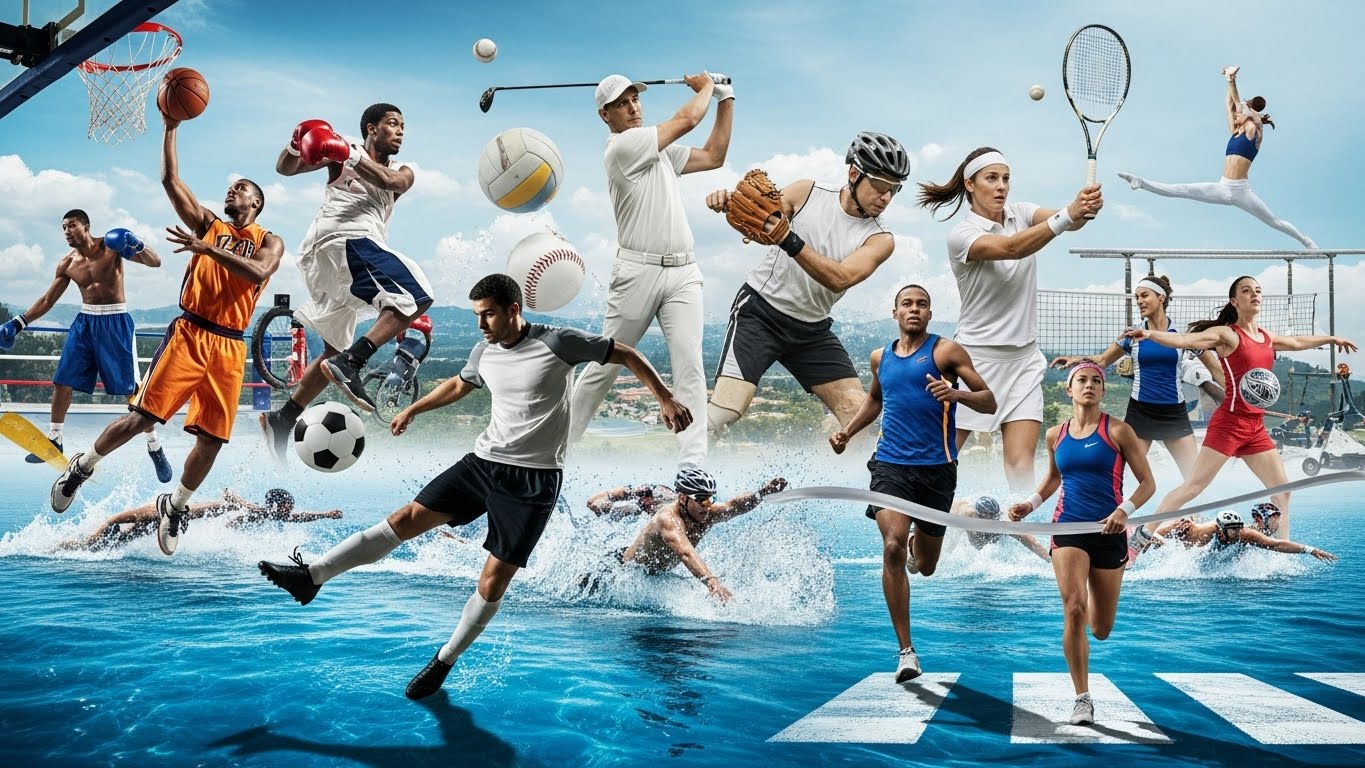
Sports have always been more than just games played on fields, courts, or tracks. From ancient Olympic competitions to modern professional leagues, sports have been a unifying force, transcending borders, languages, and cultures. They provide a stage for human resilience, discipline, teamwork, and ambition. Whether it’s a child learning to dribble a basketball or an athlete competing at the international level, sports shape individuals and societies in profound ways. This blog delves into the multifaceted impact of sports, examining its role in personal growth, community development, and cultural integration.
Sports and Physical Well-Being
At its core, sports are a vehicle for physical fitness and health. Regular participation in sports enhances cardiovascular endurance, muscular strength, flexibility, and coordination. Engaging in physical activity reduces the risk of chronic diseases such as obesity, diabetes, and hypertension. Beyond the physical, sports also influence mental health. Exercise stimulates the release of endorphins, often referred to as the body’s natural “feel-good” chemicals, which help reduce stress, anxiety, and depression. Youth involvement in sports is particularly beneficial, instilling habits that can lead to a lifelong commitment to health and wellness. The physical benefits of sports are evident, but their impact stretches far beyond muscles and stamina.
Mental Resilience and Emotional Growth
Sports are a training ground for mental toughness. Facing defeat, coping with pressure, and setting personal goals all cultivate resilience and emotional intelligence. Athletes learn to manage disappointment, celebrate small victories, and remain focused under stress. These lessons extend into everyday life, from academic pursuits to professional challenges. For children and adolescents, participation in sports teaches patience, persistence, and self-discipline. The highs and lows of competitive sports mirror life’s unpredictable journey, providing a safe space to develop coping strategies and emotional regulation. In this way, sports act as a bridge between physical activity and psychological growth.
The Role of Teamwork and Social Skills
One of the most significant contributions of sports is the development of teamwork and social skills. Team sports like soccer, volleyball, and basketball require players to collaborate, communicate effectively, and trust one another. Even individual sports, such as tennis or swimming, involve interaction with coaches, trainers, and competitors, which fosters interpersonal skills. Learning to share success and responsibility builds empathy and strengthens relationships. For children, the social environment of sports encourages cooperation and conflict resolution, while adults benefit from networking opportunities and community engagement. Sports, therefore, are not only about winning but about cultivating meaningful connections.
Sports as a Tool for Cultural Integration
Sports have the unique ability to bridge cultural and societal divides. Global events like the Olympics or the FIFA World Cup bring together participants and fans from diverse backgrounds, creating a shared sense of identity and pride. At the local level, sports programs can serve as platforms for cultural exchange, promoting inclusivity and understanding. Immigrants and minorities often find sports a powerful way to integrate into new communities, build friendships, and gain recognition. Through sports, people learn to appreciate diversity, celebrate differences, and develop a collective spirit that transcends ethnicity, religion, and nationality.
Economic and Professional Opportunities in Sports
The influence of sports extends into economic spheres as well. Professional sports generate employment, stimulate tourism, and inspire entrepreneurial ventures. Athletes themselves often become role models and sources of inspiration, showcasing the potential of dedication and talent. Beyond the players, careers in coaching, sports medicine, sports journalism, and athletic administration highlight the broad economic ecosystem surrounding sports. For many young people, sports offer a pathway to professional achievement and financial stability, providing opportunities that may not be available in other fields. Sports, therefore, are not just leisure activities—they are engines of personal and societal growth.
Technological Advancements and the Evolution of Sports
In the modern era, technology has revolutionized sports in unprecedented ways. From wearable devices that track performance to advanced analytics used by coaches, technology enhances training, safety, and strategy. Virtual reality and e-sports have opened entirely new domains of competition, expanding the definition of what it means to be an athlete. Broadcasting innovations allow fans around the globe to experience live events, creating a sense of unity and excitement. Technology also plays a role in injury prevention and rehabilitation, ensuring athletes can perform at their best for longer periods. As sports evolve alongside technology, their capacity to engage, entertain, and inspire continues to grow.
The Impact of Sports on Youth Development
Youth participation in sports is particularly transformative. Sports programs provide structured environments where young people can learn essential life skills, such as leadership, perseverance, and ethical behavior. Beyond skill development, sports offer a constructive outlet for energy, reducing the likelihood of involvement in negative behaviors. Mentorship in sports teaches young athletes about goal-setting, responsibility, and the importance of hard work. Schools and community organizations that invest in sports create pathways for personal development, educational achievement, and social mobility. By nurturing the next generation through sports, societies invest in healthier, more confident, and socially responsible citizens.
Sports as a Catalyst for Social Change
Throughout history, sports have played a pivotal role in driving social change. Athletes have used their platforms to raise awareness about critical issues such as racial equality, gender rights, and environmental sustainability. Iconic figures in sports have inspired movements, challenged societal norms, and provided a voice for marginalized communities. Community sports initiatives also promote social cohesion, reduce crime rates, and encourage civic engagement. By combining visibility, influence, and community involvement, sports serve as a powerful medium for advocacy and societal transformation.
Personal Stories of Triumph and Inspiration
The true magic of sports lies in the stories of individual triumph and perseverance. From underdog teams achieving improbable victories to athletes overcoming injuries or personal hardships, these narratives resonate deeply with people. They remind us of the human capacity for resilience, determination, and creativity. Stories of sports heroes inspire individuals to push beyond their limits, pursue excellence, and embrace challenges with courage. Whether on a global stage or a local playing field, sports offer countless examples of how passion, effort, and teamwork can produce extraordinary outcomes.
Conclusion: Embracing the Spirit of Sports
Sports are far more than entertainment; they are a microcosm of life itself. They teach lessons that are essential for personal growth, strengthen social bonds, promote cultural understanding, and inspire communities. From physical fitness to mental resilience, from youth development to societal transformation, the impact of sports is far-reaching and multifaceted. By embracing the spirit of sports, individuals and societies can foster health, inclusivity, and shared purpose. Ultimately, sports remind us that while competition is thrilling, the journey, the teamwork, and the lessons learned are what make the experience truly invaluable.