
Introduction: More Than Just a Game
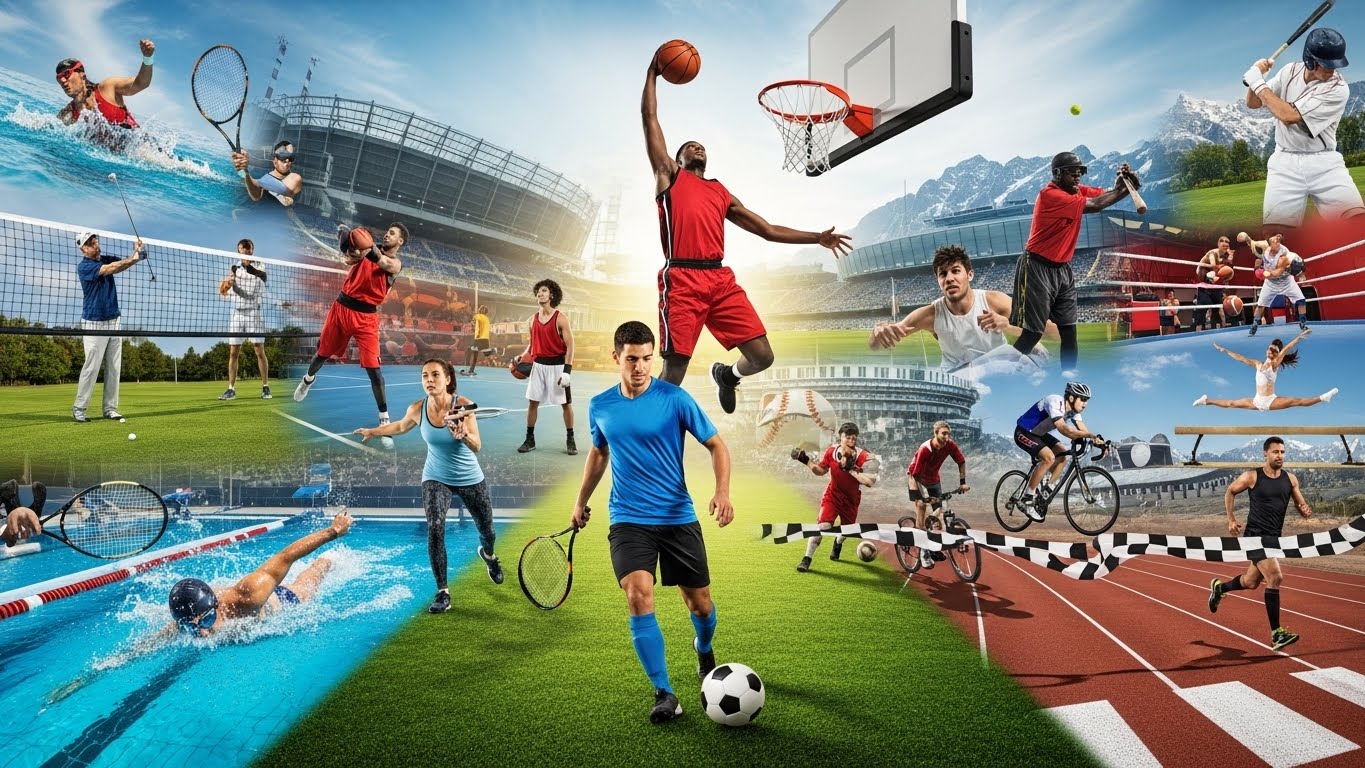
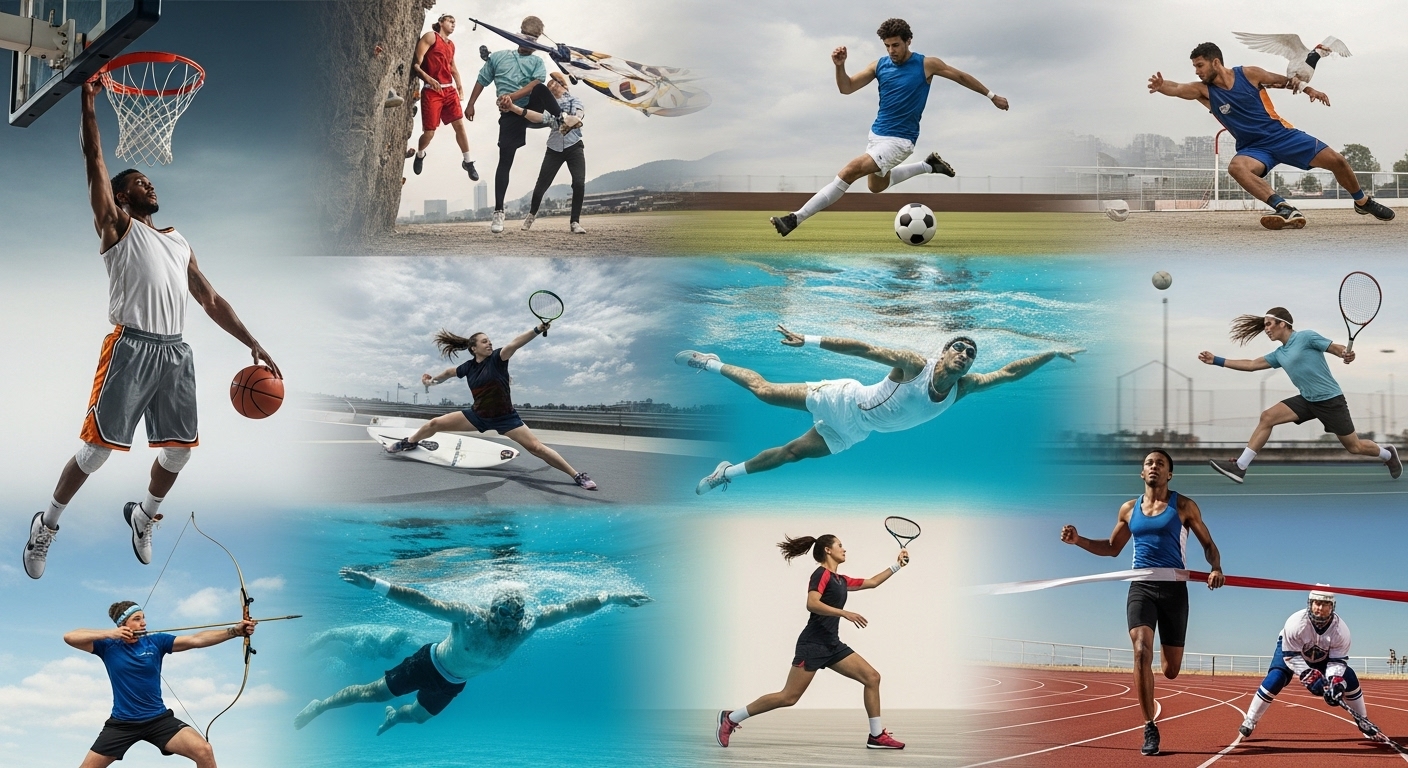
Sports are often described as games, competitions, or physical activities, but in reality they are much more than that. They are stories of human ambition, discipline, failure, and triumph played out on fields, courts, tracks, and arenas across the globe. From a child kicking a ball in a narrow street to athletes performing on the world’s biggest stages, sports connect people in ways few other social forces can. They influence culture, inspire generations, and teach lessons that extend far beyond the scoreboard. In the modern world, sports have become a powerful mirror of society, reflecting its values, struggles, and dreams.
The Origins of Sports and Human Instinct
Sports have existed for as long as human civilization itself. Early forms of competition emerged from basic survival skills such as running, throwing, hunting, and wrestling. Ancient societies transformed these skills into structured contests, not only to test physical ability but also to celebrate strength, courage, and honor. Over time, sports evolved alongside culture, religion, and politics. They became rituals, festivals, and symbols of unity. This deep-rooted history explains why sports continue to feel instinctive and emotionally powerful. They tap into something fundamental within human nature: the desire to compete, to belong, and to excel.
Sports as a Teacher of Discipline and Character
One of the most significant impacts of sports lies in the values they instill. Discipline is at the heart of every athletic journey. Training requires consistency, patience, and the willingness to push through discomfort. Athletes learn that progress is rarely instant and that success is built through small, repeated efforts over time. Sports also teach responsibility and accountability. A missed practice or lack of focus affects not only the individual but the entire team. These lessons often carry into everyday life, shaping how people approach education, careers, and relationships. Through wins and losses, sports quietly mold character.
The Emotional Power of Victory and Defeat
Few experiences match the emotional intensity of sports. Victory brings joy, pride, and validation, while defeat can bring disappointment, frustration, and self-doubt. Yet both outcomes are equally important. Winning teaches confidence and rewards effort, but losing teaches resilience and humility. Athletes learn how to cope with failure, analyze mistakes, and return stronger. Fans, too, experience this emotional roller coaster, investing hope and passion into their teams. This shared emotional journey creates deep bonds between players and supporters, turning sports into a collective experience rather than an individual one.
Sports and the Sense of Identity
Sports play a major role in shaping personal and collective identity. Individuals often define themselves through the sports they play or follow. A runner, a footballer, a swimmer, or a fan of a particular team carries that identity with pride. On a larger scale, sports unite communities, cities, and nations. Major tournaments and championships become moments of national expression, where people from different backgrounds come together under a common banner. In these moments, social differences fade, replaced by shared chants, colors, and emotions. Sports become a language everyone understands.
The Role of Sports in Youth Development
For young people, sports are a powerful tool for growth. Participation in sports helps children develop physical fitness, coordination, and healthy habits. Beyond physical benefits, sports teach teamwork, communication, and leadership. Young athletes learn how to work with others, respect rules, and handle pressure. Coaches often become mentors, guiding players not only in technique but also in life skills. In a world increasingly dominated by screens and sedentary lifestyles, sports offer a vital outlet for energy, creativity, and social interaction, helping youth build confidence and resilience.
Professional Sports and the Business of Competition
In the modern era, sports have grown into a global industry. Professional leagues, international tournaments, and major events generate enormous economic activity. Athletes become public figures, teams become brands, and matches attract audiences of millions. While this commercialization brings opportunities, it also introduces challenges. Pressure to perform, media scrutiny, and financial stakes can sometimes overshadow the pure joy of the game. However, professional sports also provide inspiration, showcasing what is possible through dedication and hard work. They set benchmarks of excellence that motivate aspiring athletes worldwide.
Sports as a Platform for Social Change
Sports have repeatedly proven to be a powerful platform for social awareness and change. Athletes and teams have used their visibility to speak out on issues such as equality, inclusion, and justice. Sporting arenas have become spaces where important conversations reach a broad audience. Even the act of diverse individuals competing side by side sends a strong message about unity and respect. While sports cannot solve all social problems, they can spark dialogue and influence attitudes. Their ability to bring people together gives them a unique role in shaping a more inclusive society.
The Mental Side of Sports
While physical strength is often highlighted, mental toughness is equally critical in sports. Focus, confidence, and emotional control can determine performance just as much as speed or strength. Athletes train their minds to handle pressure, stay motivated, and recover from setbacks. This mental training has broader relevance, offering techniques that can help individuals manage stress and improve performance in other areas of life. Sports demonstrate that success is not only about physical talent but also about mindset, preparation, and belief.
Technology and the Evolution of Sports
Technology has transformed how sports are played, watched, and analyzed. Advances in equipment, training methods, and data analysis have pushed performance to new levels. Athletes can now track their progress with precision, while fans enjoy immersive viewing experiences. Technology has also improved fairness through better officiating tools and review systems. However, it raises questions about balance and accessibility, as not all athletes or regions have equal access to advanced resources. Despite these challenges, technology continues to shape the future of sports, blending tradition with innovation.
The Universal Language of Sports
One of the most remarkable qualities of sports is their ability to cross cultural and linguistic boundaries. A goal scored, a race won, or a record broken can be understood and celebrated by people everywhere. Sports create moments of shared joy and respect between nations, even those with political or cultural differences. International competitions highlight this unifying power, reminding the world of common humanity. In these moments, sports act as a bridge, connecting people through passion and mutual admiration.
Conclusion: Why Sports Will Always Matter
Sports endure because they speak to essential aspects of the human experience. They challenge the body, test the mind, and stir the emotions. They teach discipline, resilience, and teamwork while providing joy, entertainment, and inspiration. In a rapidly changing world, sports remain a constant, offering structure, meaning, and connection. Whether played casually or professionally, watched in stadiums or living rooms, sports continue to shape individuals and societies alike. They are not just games but living stories of effort, struggle, and hope, reminding us of what it means to strive, together, for something greater.