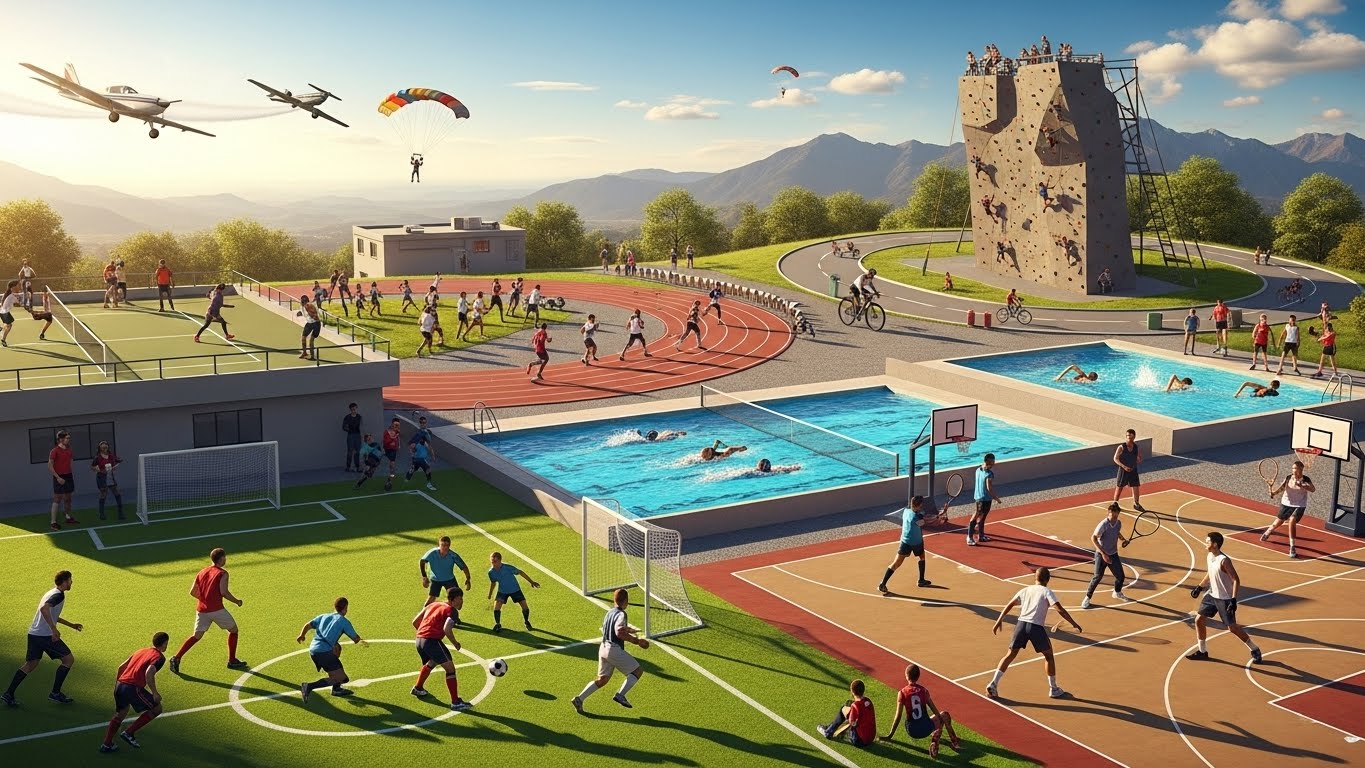

Introduction: The Universal Language of Sports
Sports have always held a special place in human culture, transcending geographical, cultural, and social boundaries. From ancient civilizations to modern-day global events, sports have been a fundamental aspect of human life. They entertain us, inspire us, and most importantly, they bring people together. The appeal of sports is universal: it’s a language spoken by millions, regardless of race, religion, or economic background. In this blog, we will explore how sports not only influence individuals on a personal level but also have a profound impact on society as a whole.
The Physical and Mental Benefits of Sports
Physical Fitness: More Than Just Exercise
At its core, sports are a powerful tool for physical health. Regular participation in sports helps to maintain and improve cardiovascular health, build muscle strength, and improve flexibility. Whether you’re playing football, swimming, tennis, or cycling, each sport contributes uniquely to enhancing various aspects of physical health.
Sports also help prevent chronic illnesses like heart disease, diabetes, and obesity. The cardiovascular benefits of sports are especially evident, as they improve blood circulation, reduce the risk of hypertension, and promote overall well-being. For example, activities like running, cycling, and swimming are not only great for building endurance but also for improving lung capacity and stamina.
Mental Health: A Boost for the Brain
While the physical benefits are often emphasized, the mental health advantages of sports should not be underestimated. Engaging in sports has been shown to reduce stress, anxiety, and depression. The act of playing can release endorphins—often referred to as the “feel-good” hormones—into the brain, which elevate mood and promote relaxation.
Furthermore, sports help improve cognitive function. Whether it’s strategic planning in team sports or focusing on your form in individual activities, sports help enhance focus, concentration, and decision-making skills. The discipline and commitment needed in sports can translate into other areas of life, fostering self-control, perseverance, and resilience.
The Social Impact of Sports
Building Communities and Fostering Social Connections
One of the most significant contributions of sports to society is their ability to bring people together. Sports create shared experiences that can bridge divides between different cultures, races, and socioeconomic backgrounds. From local leagues to international competitions, sports have the power to create bonds among people who might otherwise never interact.
Local sports clubs and recreational leagues provide a sense of belonging and create tight-knit communities where individuals can connect with one another. Whether it’s cheering for your favorite team at a community park or attending a professional match with friends, sports foster camaraderie and team spirit. These connections help combat feelings of isolation and create a sense of purpose.
Promoting Equality and Inclusion
Sports also play a crucial role in promoting equality and breaking down social barriers. They offer a platform where individuals are judged based on their skills, rather than their background, gender, or financial status. The world of sports is an arena where meritocracy thrives, allowing athletes from various walks of life to compete on equal terms.
Over the years, sports have been a driving force for gender equality. Women’s sports, in particular, have seen a tremendous rise in popularity and recognition, with athletes like Serena Williams, Simone Biles, and Megan Rapinoe paving the way for future generations. The inclusion of more women in professional sports leagues and the increased media coverage of women’s events have helped challenge traditional gender roles and perceptions.
Global Unity Through International Competitions
International sporting events such as the Olympics, FIFA World Cup, and the Rugby World Cup provide a platform for countries to showcase their athletic prowess. These events bring together athletes from across the globe, promoting unity and peaceful competition. The spectacle of the Olympics, for example, with its opening ceremonies and global audience, reminds us of our shared humanity and the power of sport to unite us.
When nations compete in global events, it’s not just about the medals. It’s about national pride, cultural exchange, and mutual respect. These events allow countries to showcase their heritage, celebrate diversity, and form connections beyond borders. The shared excitement of international sporting competitions fosters understanding and appreciation of different cultures, contributing to global peace.
Sports and Youth Development
Life Skills Through Sport
For young people, sports provide an avenue for developing essential life skills that can carry over into adulthood. From learning how to work as a team to dealing with failure and adversity, sports teach young athletes valuable lessons that can’t always be learned in a classroom. Young athletes learn the importance of discipline, time management, and setting goals, all of which are key to personal success.
Team sports, in particular, help children learn about collaboration and teamwork. They teach them the importance of working toward a common goal and support the development of communication skills, as athletes must rely on each other to succeed. Individual sports, on the other hand, teach resilience and self-reliance as athletes learn to push through physical and mental barriers on their own.
Promoting Healthy Habits Early
In addition to the personal development benefits, sports also play a key role in establishing healthy habits from an early age. Children who engage in sports are more likely to continue participating in physical activity as they grow older. This trend helps to combat childhood obesity and encourages lifelong fitness.
For many children, their experience in sports is the first exposure to regular physical activity. It’s an opportunity for them to develop coordination, strength, and endurance while having fun. Moreover, involvement in sports can reduce the risk of unhealthy behaviors, such as substance abuse, by providing an alternative outlet for energy and stress.
The Economic Impact of Sports
Job Creation and Industry Growth
The sports industry is a significant contributor to the global economy, generating billions of dollars in revenue annually. Professional sports leagues, broadcasting rights, sponsorship deals, merchandise sales, and ticket sales all contribute to the economic power of sports. The ripple effect of sports-related industries is vast, affecting everything from hospitality and tourism to media and retail.
The success of a sports team or league can stimulate local economies. Hosting major events like the Super Bowl, the Olympics, or the World Cup brings in tourism dollars, increases demand for local services, and boosts employment opportunities. From event planners to security staff, the sports industry supports a wide range of jobs, providing livelihood for many individuals.
Inspiration for Innovation and Technology
Sports also drive innovation, particularly in technology. The demand for better performance, safer equipment, and more efficient training methods has led to advancements in areas such as wearable technology, sports analytics, and recovery techniques. The use of data analytics in sports has revolutionized how teams scout players, develop strategies, and make decisions. Technology has also enhanced the fan experience, with innovations such as virtual reality and enhanced broadcast features bringing fans closer to the action.
The connection between sports and technology extends beyond performance; it also touches the realm of fan engagement. Social media platforms, mobile apps, and interactive websites allow fans to stay connected with their favorite teams, athletes, and sports events in real-time, creating an increasingly immersive experience.
The Future of Sports
The Evolution of Sports
The future of sports promises to be even more exciting, with trends like eSports, virtual sports, and new forms of athletic competitions gaining popularity. While traditional sports like soccer, basketball, and tennis will continue to dominate, new avenues for competition and entertainment are emerging. eSports, in particular, has seen an explosion in popularity, with professional leagues, tournaments, and sponsorships now a major part of the sports industry.
As technology continues to evolve, so too will the ways we experience and engage with sports. Virtual reality may allow fans to experience live events from the comfort of their homes, while advancements in sports medicine may lead to better injury prevention and recovery techniques.
A Greater Focus on Sustainability
With environmental concerns growing, the sports industry is increasingly focusing on sustainability. From eco-friendly stadiums to reducing waste during major events, there is a concerted effort to make sports more environmentally conscious. The future of sports may also involve innovations like sustainable apparel, energy-efficient transportation for teams and fans, and the use of renewable energy in sports facilities.
Conclusion: More Than Just a Game
Sports are more than just a form of entertainment—they are an essential part of the fabric of our lives. They promote physical and mental well-being, bring people together, provide valuable life lessons, and stimulate economic growth. Whether it’s playing in a local league or watching a global event, sports have the power to unite us and enrich our lives.