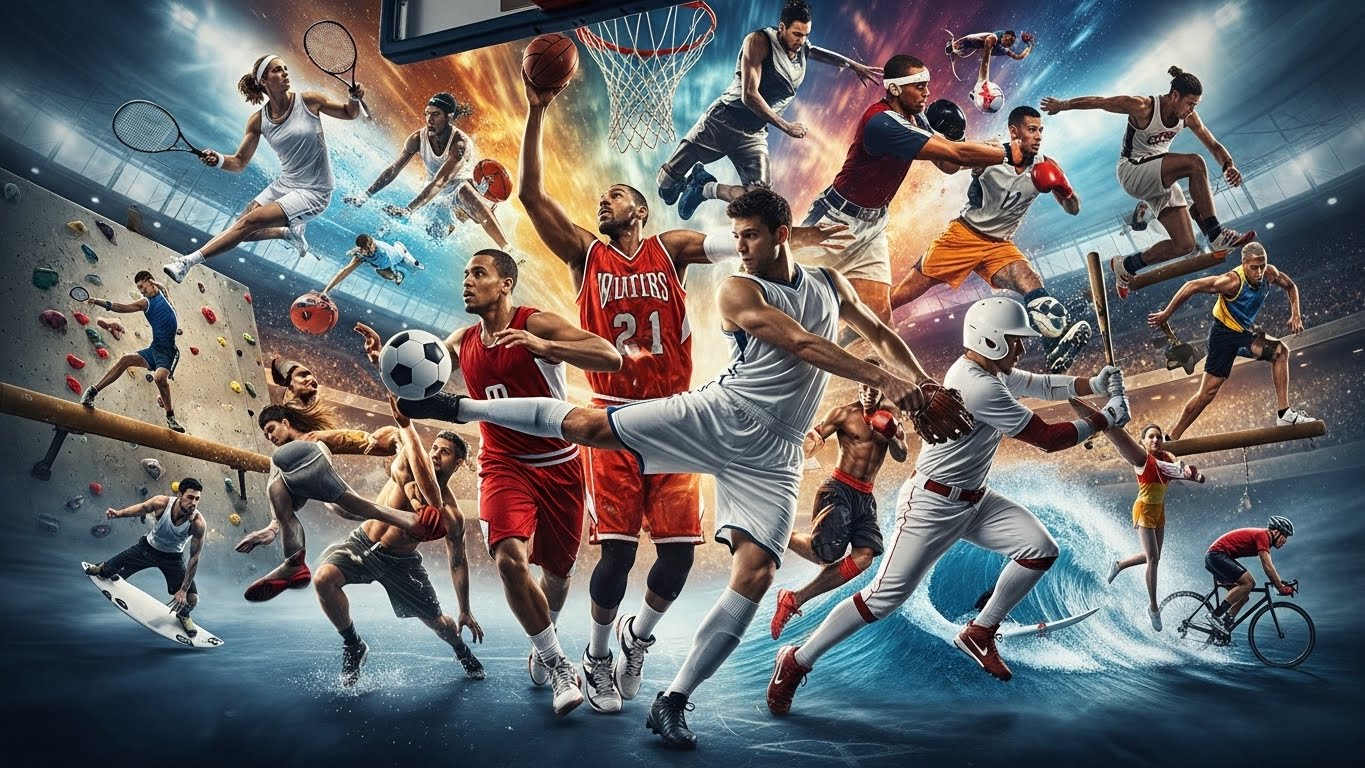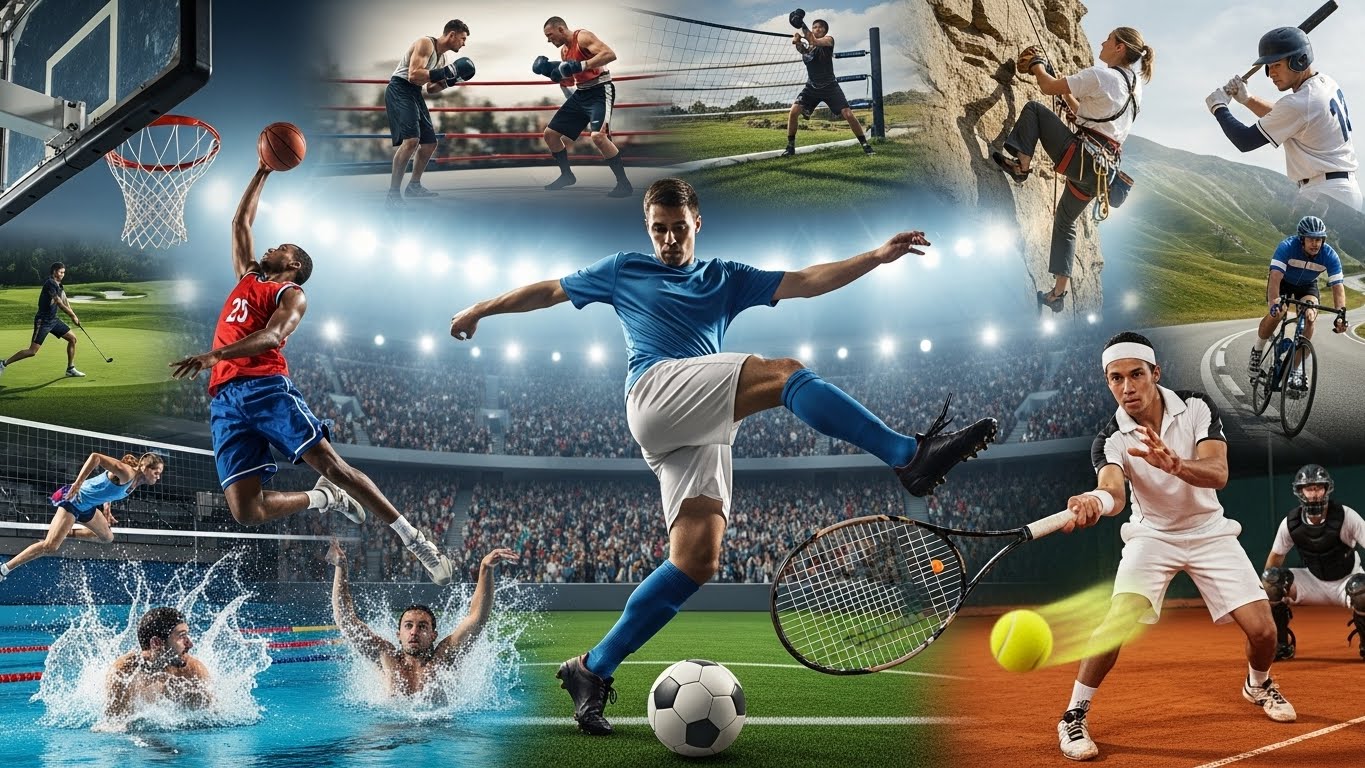
Sports have always held a unique place in human culture. They are more than just games; they are mirrors reflecting the strength, resilience, and spirit of individuals and societies alike. From the earliest forms of competition in ancient civilizations to the global spectacles we witness today, sports have evolved, yet their essence remains the same: pushing boundaries, fostering unity, and inspiring greatness. This blog explores the multifaceted world of sports and how it influences our lives on personal, social, and global levels.
The Origins of Sports: A Journey Through Time
The history of sports is as old as human civilization itself. Early humans engaged in physical activities for survival, hunting, and military training. Over time, these activities transformed into organized competitions. Ancient Egypt saw wrestling matches, while the Greeks institutionalized sports through the Olympic Games, celebrating physical prowess and mental discipline.
Sports in ancient societies were often intertwined with religious and cultural practices. They were not merely recreational but symbolic of strength, honor, and divine favor. In medieval Europe, jousting and archery contests were common, while in Asia, martial arts like kendo and kung fu were practiced for both combat and spiritual development. This rich historical tapestry demonstrates that sports have always been more than a pastime; they are a reflection of societal values and human ambition.
Physical Benefits: Beyond Fitness
One of the most obvious advantages of engaging in sports is the improvement of physical health. Regular participation in sports enhances cardiovascular health, strengthens muscles and bones, and boosts immunity. It also helps in maintaining optimal body weight and improving coordination and agility.
However, the benefits of sports extend beyond mere physical fitness. Participating in sports disciplines teaches the body to endure stress, recover quickly from injuries, and maintain balance under pressure. Athletes often develop superior reflexes, stamina, and motor skills compared to non-athletes. Moreover, involvement in sports can prevent lifestyle-related illnesses such as diabetes, hypertension, and obesity, promoting a longer and healthier life.
Mental Health: The Unsung Hero of Sports
While the physical benefits of sports are widely recognized, the impact on mental health is equally significant. Sports act as a natural stress reliever, reducing cortisol levels and boosting endorphins, the body’s feel-good hormones. Regular engagement in sports can alleviate symptoms of depression and anxiety, enhance mood, and improve sleep patterns.
Beyond immediate emotional benefits, sports cultivate discipline, focus, and resilience. Athletes learn to set goals, strategize, and persevere through failures. The mental toughness developed through sports often translates into other areas of life, including academics, careers, and personal relationships. It is no coincidence that many successful individuals credit sports as a foundation for their mental strength and problem-solving abilities.
Character Building: Lessons from the Field
Sports are powerful tools for shaping character and instilling life lessons. Every game, whether won or lost, teaches valuable insights about effort, humility, and teamwork. Athletes learn to accept failure gracefully and celebrate success without arrogance. The camaraderie formed with teammates fosters empathy, communication, and leadership skills.
Participating in sports also teaches responsibility and accountability. Players understand that every decision on the field has consequences, and consistent practice requires commitment and time management. These qualities make sports a microcosm of life, preparing individuals to navigate challenges and seize opportunities in real-world scenarios.
Sports and Social Cohesion
Beyond individual benefits, sports play a crucial role in uniting communities. They transcend cultural, linguistic, and social barriers, bringing people together in celebration of shared passions. Local tournaments, school competitions, and international events create a sense of belonging and collective identity.
Major sporting events, such as global tournaments and the Olympics, exemplify the unifying power of sports. Despite differences in nationality, religion, or ideology, fans come together to cheer for athletes, creating a shared emotional experience. This sense of unity can foster peace, understanding, and collaboration among diverse populations, highlighting sports as a catalyst for social cohesion.
Economic Impact: More Than Just Entertainment
The economic dimension of sports cannot be ignored. Sports industries generate employment, drive tourism, and stimulate local and global economies. From stadium construction and merchandise sales to broadcasting rights and sponsorship deals, sports contribute significantly to financial growth.
Athletes themselves become economic influencers, endorsing products and inspiring consumer trends. Additionally, sports-related professions, including coaching, physiotherapy, journalism, and sports management, provide career opportunities to millions worldwide. The ripple effect of sports on economies underscores its importance beyond recreation, emphasizing its role as a powerful economic engine.
Sports and Technology: Revolutionizing Performance
The integration of technology into sports has revolutionized both performance and spectator experiences. Innovations such as wearable fitness trackers, video analysis software, and advanced training equipment enable athletes to optimize their performance. Coaches can now analyze gameplay intricately, making data-driven decisions that enhance strategy and efficiency.
Technology also enhances fan engagement. High-definition broadcasts, instant replays, and virtual reality experiences bring fans closer to the action, transforming how sports are consumed. The marriage of sports and technology demonstrates the adaptability of athletic pursuits and their capacity to evolve alongside human innovation.
Women in Sports: Breaking Barriers
Historically, sports were dominated by men, but the narrative has been changing dramatically. Women athletes have shattered stereotypes, claiming space in arenas once considered male-exclusive. Icons from various disciplines have inspired generations, proving that talent and determination know no gender boundaries.
The rise of women in sports has broader societal implications. It challenges traditional norms, promotes gender equality, and encourages young girls to pursue their passions unapologetically. Increased media coverage and investment in women’s sports are further strengthening this transformative wave, highlighting sports as a vehicle for empowerment and social change.
Sportsmanship: The Moral Compass of the Game
At the core of every sport lies the principle of sportsmanship. Respect for opponents, fair play, and ethical conduct define the spirit of competition. Winning is celebrated, but the manner in which one plays often carries greater significance. Integrity, honesty, and humility are cultivated on the field and extend into personal and professional life.
Sportsmanship teaches that true victory is not only measured by scores but also by the quality of character displayed during the journey. Athletes who embody these values become role models, inspiring fans and aspiring players to embrace ethical and principled behavior.
The Role of Sports in Education
Sports and education share a symbiotic relationship. Schools and colleges incorporate athletics as part of holistic development, recognizing that physical activity enhances cognitive performance, focus, and emotional intelligence. Participation in sports equips students with teamwork, leadership, and problem-solving skills that are invaluable for academic and life success.
Scholarship programs and collegiate competitions further emphasize the importance of sports in shaping future leaders. By promoting a balance between physical and intellectual growth, education systems that prioritize sports nurture well-rounded individuals capable of thriving in multiple spheres of life.
Globalization of Sports: A Universal Language
In the modern era, sports have become a global phenomenon. International competitions, cross-border leagues, and worldwide fan followings have turned local games into global spectacles. Soccer, basketball, cricket, and athletics enjoy massive audiences, transcending national and cultural boundaries.
This globalization fosters cross-cultural understanding and appreciation. Fans learn about different traditions, languages, and lifestyles through their engagement with international sports. As a universal language, sports bridge gaps, cultivate empathy, and promote global solidarity.
The Future of Sports: Evolving Beyond Boundaries
The future of sports promises innovation, inclusivity, and sustainability. Emerging disciplines, adaptive sports for differently-abled individuals, and digital platforms for virtual competition are expanding access and participation. Environmental consciousness is influencing stadium construction, tournament organization, and merchandise production, highlighting the need for sustainable practices in the industry.
Furthermore, sports will continue to serve as a platform for social activism. Athletes are increasingly using their voices to advocate for justice, equality, and human rights, demonstrating that sports can inspire change beyond the field.
Conclusion: The Timeless Significance of Sports
Sports are more than a game. They are a reflection of human potential, a tool for personal development, and a medium for societal cohesion. From promoting health and mental well-being to inspiring unity and economic growth, sports impact every facet of life.
As society continues to evolve, the role of sports will only grow in significance. They remind us that while victories are celebrated, the journey, values, and lessons learned along the way are what truly shape individuals and communities. Whether as an athlete, fan, or advocate, engaging with sports is an affirmation of the human spirit—its resilience, passion, and boundless capacity for excellence.