
Introduction: The Global Influence of Sports
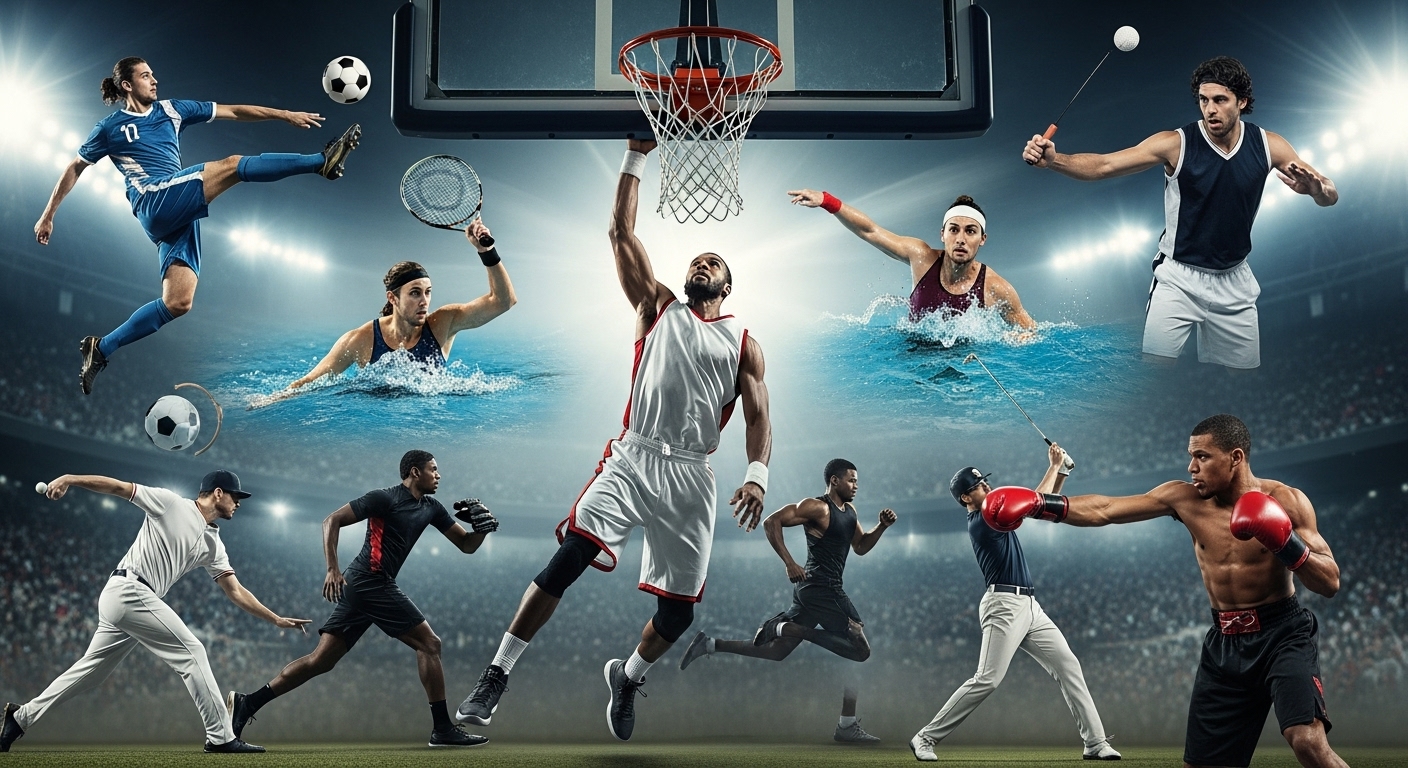
Sports have long been a central part of human culture, transcending geographical boundaries, social classes, and even language barriers. From the dusty streets where children play soccer to the grand stadiums hosting global tournaments, sports have the remarkable ability to bring people together. They serve as a common thread, uniting individuals, communities, and even nations. Whether it’s the raw emotion of a local game or the excitement of an international championship, sports have an undeniable impact on individuals and societies. In this post, we will explore the various ways sports influence us, from building connections to shaping personal and social identities, and how they continue to evolve in the modern world.
The Historical Role of Sports in Society
The roots of sports can be traced back thousands of years to ancient civilizations. In ancient Greece, sports were not only a form of entertainment but also a religious and cultural event. The first Olympic Games, held in 776 BCE, were dedicated to Zeus, the king of the gods. Over time, sports became an integral part of human history, evolving in form and significance.
In ancient Rome, gladiatorial combat became a major spectacle. While the events were often violent, they served as a form of social control and a way to showcase the power of the Roman Empire. Similarly, sports in ancient Egypt included activities such as archery and swimming, often associated with military training and preparation for war.
As civilizations progressed, so did the organization and codification of sports. The Middle Ages saw the rise of jousting and other chivalric contests, which were symbols of honor and nobility. In the modern era, the Industrial Revolution played a significant role in the evolution of sports, leading to the establishment of more formalized leagues and competitions, giving birth to the sports world we know today.
The Social Impact of Sports: Building Communities and Connecting People
One of the most profound aspects of sports is their ability to build community. Whether it’s a group of friends playing a casual game of basketball or a professional soccer team representing an entire city, sports foster a sense of belonging and shared purpose. They create spaces where people can come together, not only as fans or players but as a collective unit working toward a common goal.
In cities and towns all over the world, sports teams are a source of local pride. The local sports team represents the identity of the community, and the success of the team is often celebrated as a collective achievement. The sense of unity that sports create in these settings can be seen at local games, where fans cheer for their teams, wear matching jerseys, and celebrate victories together. These moments of shared excitement contribute to a larger sense of belonging, whether the team is made up of professionals or local amateurs.
Sports also serve as an equalizer, breaking down barriers between individuals from different backgrounds. They have the power to unite people from diverse cultural, racial, and economic backgrounds, offering a platform where individuals can collaborate toward a common goal. At its best, sports serve as a means of social integration, teaching the values of teamwork, respect, and cooperation.
The Physical and Mental Health Benefits of Sports
While the social and cultural significance of sports is undeniable, the personal benefits of engaging in sports cannot be overstated. Participating in sports is one of the most effective ways to improve physical health, contributing to a longer and healthier life. Regular participation in physical activities like running, swimming, or playing team sports strengthens the heart, builds muscle mass, and improves cardiovascular health.
Physical fitness has a direct link to mental health as well. Exercise is known to release endorphins, the body’s natural mood-boosting chemicals, which can help combat feelings of stress, anxiety, and depression. Engaging in sports also provides an opportunity for individuals to focus their energy, reducing the pressures and stresses of daily life. Whether it’s the feeling of accomplishment after finishing a race or the cathartic release of tension after a high-intensity workout, sports contribute to emotional well-being.
The mental benefits extend beyond mood regulation. Engaging in competitive sports, in particular, teaches valuable life skills such as resilience, focus, and determination. Athletes learn how to handle both success and failure, a lesson that can be applied to all areas of life. The discipline and work ethic learned on the playing field often carry over into personal and professional aspects of an individual’s life.
The Role of Sports in Shaping Identity and Values
Sports also play a crucial role in shaping personal identity and instilling values that last a lifetime. For athletes, the journey of developing skills, overcoming obstacles, and achieving goals can be profoundly transformative. Sports help individuals understand their strengths and weaknesses, teaching the importance of hard work, perseverance, and discipline.
One of the most significant ways that sports shape identity is by helping people find a sense of purpose. For many athletes, the pursuit of excellence in their sport becomes a guiding force in their lives, offering a sense of direction and motivation. From early childhood, sports can provide individuals with a goal to work toward, something that fosters self-confidence and personal growth.
Beyond the personal level, sports also contribute to the development of social values. The importance of teamwork, cooperation, and fair play is deeply ingrained in many sports, whether they are team-based or individual pursuits. These values are transferable to many aspects of life, influencing how athletes engage with others in their personal, professional, and community lives. The lessons learned in sports—such as the importance of dedication, humility, and respect—become core elements of an athlete’s character and influence their behavior both on and off the field.
The Global Popularity of Sports: A Shared Passion Across Borders
In the 21st century, sports have become more globalized than ever. The reach of major sporting events, such as the FIFA World Cup, the Summer Olympics, and the UEFA Champions League, is vast, drawing in millions—if not billions—of viewers from every corner of the globe. The widespread popularity of sports is a testament to their universal appeal, providing a common language that can transcend cultural and language differences.
For example, soccer, or football as it is known in most of the world, is the most popular sport globally, with an estimated 4 billion fans worldwide. The FIFA World Cup is one of the most-watched events in the world, bringing together countries from every continent to compete for the coveted title. Similarly, the Olympics celebrate global unity as athletes from nearly every nation come together to compete for gold, silver, and bronze.
In addition to traditional sports, the rise of eSports has introduced a new dimension to global sports culture. Competitive gaming has gained enormous popularity, particularly among younger generations. With millions of viewers tuning into platforms like Twitch to watch eSports tournaments, the gaming community has become a powerful force in the sports world. Like traditional sports, eSports unites people from all over the world, allowing them to compete, watch, and share in the excitement, all while forming a new form of digital culture.
Sports as a Platform for Social Change
Sports have also played an important role in advocating for social change. Throughout history, athletes have used their platforms to raise awareness of social and political issues, challenge systemic inequalities, and promote justice. One of the most famous examples is the 1968 Olympic Games, when Tommie Smith and John Carlos raised their fists in a Black Power salute during the medal ceremony to protest racial inequality in the United States.
In recent years, athletes have continued to use their influence to speak out on pressing issues, from racial injustice to climate change. The activism of athletes like Colin Kaepernick, who took a knee during the national anthem to protest police brutality, sparked widespread discussion about social justice in the United States and beyond.
The power of sports as a platform for social change is particularly evident in the rise of women’s sports. As female athletes gain more visibility and recognition, they continue to break down barriers in male-dominated fields, advocating for gender equality and equal opportunities in sports. Iconic athletes like Serena Williams, Simone Biles, and Megan Rapinoe have used their platforms to advocate for women’s rights and to challenge societal norms about gender roles.
The Future of Sports: Innovation and Inclusivity
As we look to the future, the landscape of sports will continue to evolve. Advances in technology, such as virtual reality (VR), augmented reality (AR), and wearable fitness trackers, will change the way fans experience sports and the way athletes train. VR and AR technologies could offer fans the ability to watch games in immersive 3D environments, while wearables will help athletes monitor their health and performance more precisely.
Moreover, there will be a continued push for greater inclusivity in sports. Efforts to create more opportunities for women, minorities, and people with disabilities are already underway, and the future of sports looks increasingly diverse. More initiatives are being implemented to ensure that everyone, regardless of their background or physical ability, has the opportunity to participate in sports and benefit from their positive effects.
Finally, as the global popularity of sports continues to grow, new forms of competition will emerge. The rise of eSports, combined with the increasing popularity of unconventional sports like drone racing, suggests that sports will become more inclusive of different forms of athleticism and creativity.
Conclusion: Sports as a Timeless Force for Good
Sports are more than just games or competitions. They are a reflection of human culture, a source of joy and inspiration, and a platform for social change. Whether on the field, in the arena, or in the digital space, sports have a unique ability to connect people from all walks of life, foster community, and shape identities. As technology continues to advance and global interconnectedness deepens, sports will undoubtedly evolve, but their core ability to unite, inspire, and uplift will remain unchanged.