Introduction: The Power and Purpose of Sports
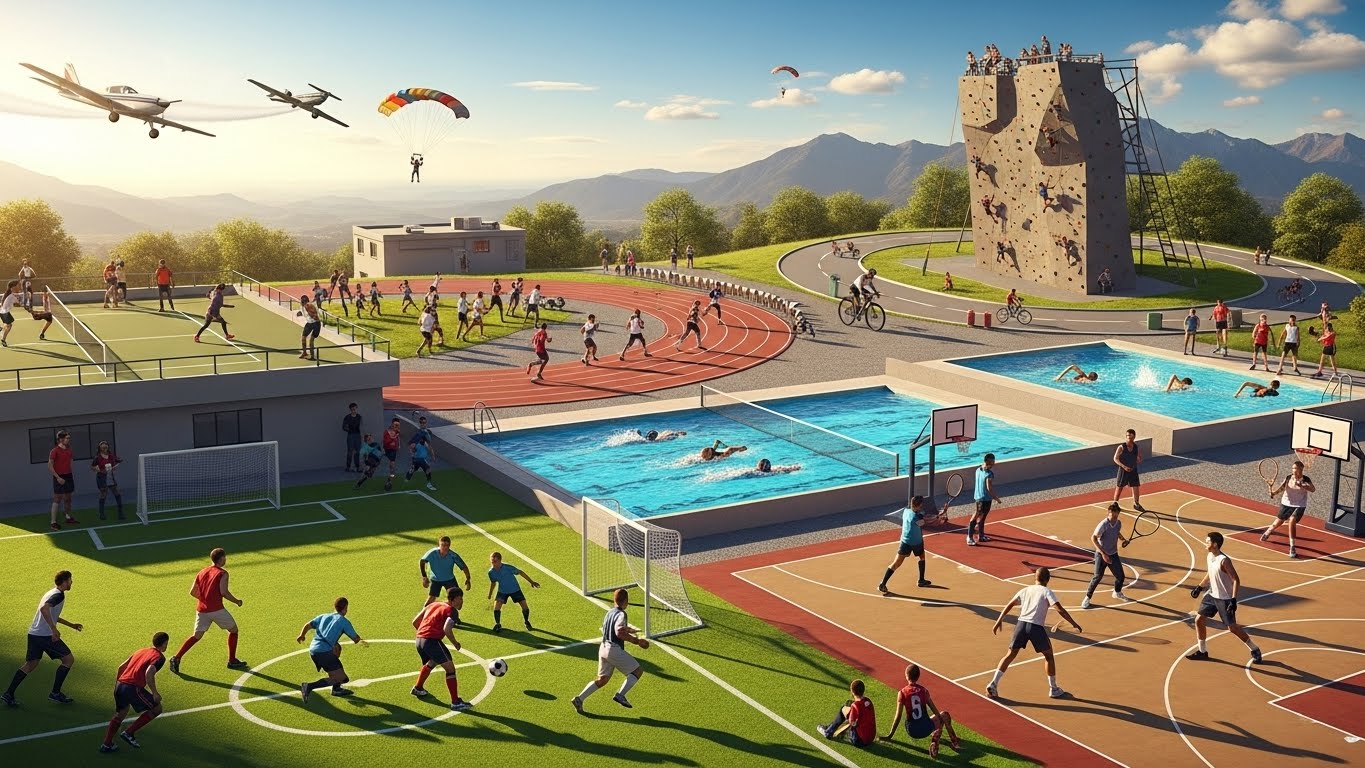
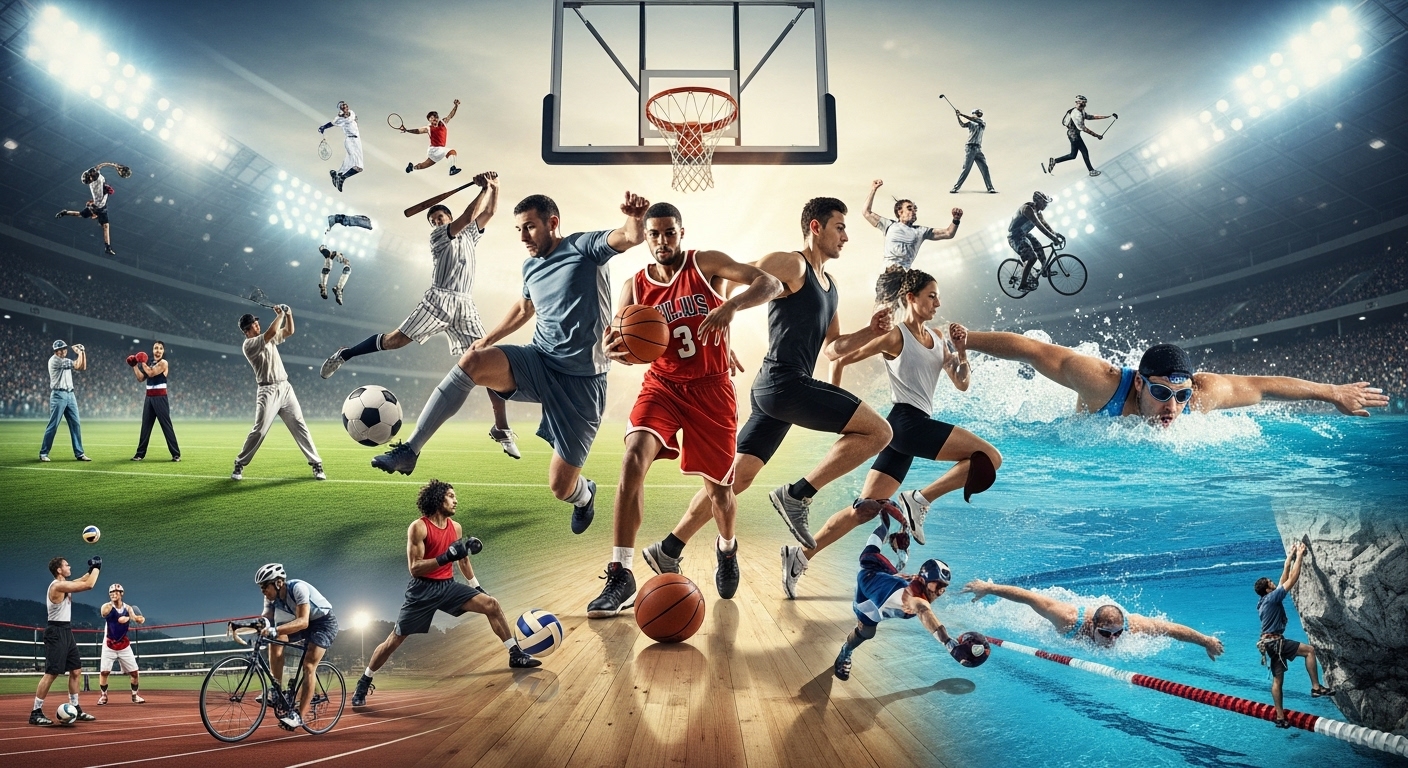
Sports have always been more than a form of entertainment. Across every culture and generation, they serve as a universal language, connecting people regardless of age, gender, or background. From ancient competitions to modern professional leagues, sports have inspired teamwork, discipline, resilience, and unity. They challenge individuals to push their limits while fostering social bonds and cultural exchange. Beyond physical activity, sports influence education, economy, mental health, and community development. This blog explores the multifaceted role of sports, their benefits, societal impact, and their enduring relevance in our lives.
The Historical Evolution of Sports
The history of sports dates back thousands of years, with ancient civilizations using games to train warriors, celebrate rituals, and entertain communities. The Olympic Games of ancient Greece highlighted athletic excellence, courage, and honor. Over time, sports evolved into organized competitions, giving rise to disciplines like soccer, cricket, basketball, and athletics. Industrialization and globalization allowed sports to reach broader audiences, creating professional leagues, international tournaments, and structured training programs. Today, sports continue to evolve with technology, media, and cultural influences shaping both participation and spectatorship.
Physical and Mental Benefits of Sports
Engaging in sports has profound physical benefits. Regular activity improves cardiovascular health, strengthens muscles, enhances flexibility, and reduces the risk of chronic illnesses such as diabetes and obesity. Beyond physical health, sports contribute significantly to mental well-being. Participation reduces stress, anxiety, and depression through the release of endorphins. It also promotes focus, resilience, and emotional regulation. Whether played recreationally or competitively, sports help individuals develop a balanced mind and body, fostering long-term health and vitality.
Character Development Through Sports
Sports serve as a training ground for life skills and character building. Athletes learn perseverance by overcoming challenges, discipline through consistent practice, and patience through gradual improvement. Team sports cultivate communication, collaboration, and leadership, while individual sports nurture self-reliance, focus, and accountability. Experiencing both victory and defeat teaches humility, resilience, and grace. These lessons transcend the playing field, influencing personal, professional, and social interactions and preparing individuals to face real-world challenges with confidence and integrity.
The Social Impact of Sports
Sports are a cornerstone of social connection and community engagement. Local leagues, school teams, and recreational clubs bring people together, creating networks of friendship and shared experiences. Spectator sports foster communal pride, uniting fans in celebrations of victories or collective support during losses. Sports also promote inclusivity, offering opportunities for individuals from diverse backgrounds to participate and thrive. Beyond entertainment, sports serve as a platform for social cohesion, cultural identity, and community building.
Sports as a Vehicle for Cultural Exchange
Sports transcend borders, fostering cultural understanding and global connections. International competitions like the FIFA World Cup, the Olympic Games, and the Rugby World Cup provide a stage for nations to showcase their talents, traditions, and values. Athletes act as cultural ambassadors, introducing audiences to diverse customs and lifestyles. Fans gain exposure to different perspectives, languages, and traditions, fostering mutual respect and global unity. Sports thus act as a bridge between cultures, promoting appreciation and shared humanity.
Technological Advancements in Sports
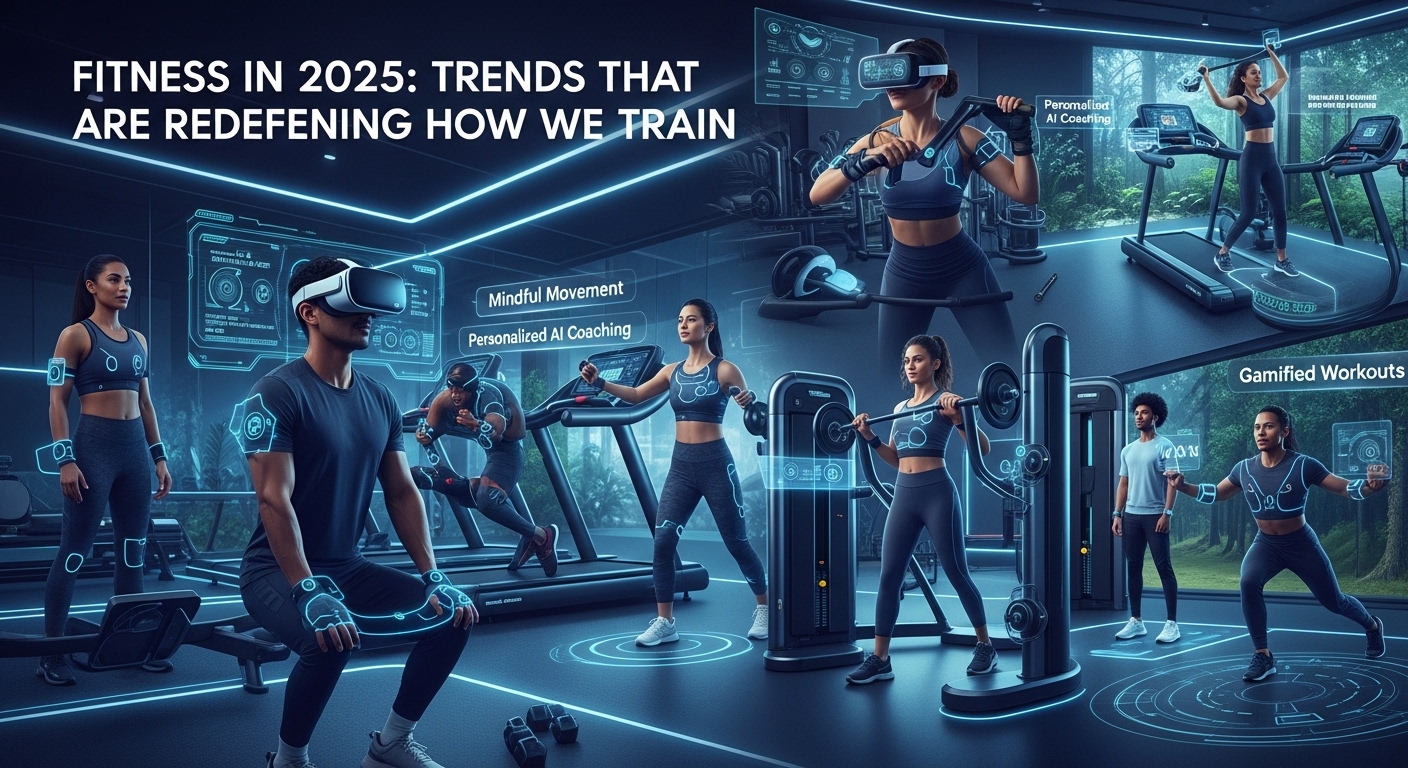
Modern sports have been transformed by technology. Performance tracking devices monitor heart rates, recovery times, and physical conditioning, helping athletes optimize training and prevent injuries. Video analysis allows teams to study strategies, analyze opponents, and enhance performance. Fans experience sports differently with high-definition broadcasts, instant replays, and immersive virtual reality experiences. Technology enhances both competitive performance and spectator engagement, making sports more precise, accessible, and captivating for players and audiences alike.
Economic Significance of Sports
Sports are a major economic driver worldwide. Professional leagues, tournaments, merchandise, sponsorships, and broadcasting rights generate substantial revenue. Employment opportunities arise for athletes, coaches, referees, medical staff, media personnel, and event organizers. Large-scale events stimulate local economies through tourism, hospitality, and urban development. Investments in sports infrastructure and youth programs also contribute to community development. The economic impact of sports underscores their significance beyond recreation, highlighting their role in shaping financial and social landscapes.
Women in Sports: Empowering Change
Women’s participation in sports has grown dramatically, breaking barriers and challenging traditional gender roles. Female athletes now compete professionally, break world records, and inspire millions globally. Increased media coverage and sponsorship of women’s sports promote visibility and empowerment. Sports provide women with opportunities for personal growth, leadership, and financial independence. The achievements of female athletes highlight inclusivity, challenge stereotypes, and demonstrate the transformative power of sports in promoting equality and social progress.
Youth and Sports: Shaping the Future
Engaging young people in sports is vital for their development. Youth sports programs teach teamwork, discipline, time management, and goal-setting. Participation fosters confidence, resilience, and leadership skills. It also encourages healthy habits and social responsibility. School and community-based sports programs provide opportunities for mentorship, talent development, and educational advancement. By nurturing the next generation of athletes and leaders, sports play a critical role in shaping capable, confident, and responsible individuals.
Sports and Education
Sports are closely linked with education, serving as a tool for holistic development. Schools and universities use sports to foster physical fitness, teamwork, and leadership. Competitive programs offer scholarships, professional pathways, and skill development opportunities. Students learn to balance academics and athletics, building discipline and resilience. Educational sports programs also strengthen social skills, strategic thinking, and collaboration. By integrating sports with education, institutions create well-rounded individuals capable of contributing to society both on and off the field.
Sportsmanship and Ethics
Sportsmanship embodies integrity, respect, and fairness. Athletes are expected to follow rules, honor opponents, and demonstrate ethical behavior. Ethical competition builds trust, strengthens community bonds, and enhances the enjoyment of sports. Coaches and mentors play a critical role in instilling these values, shaping athletes into not only skilled competitors but also responsible and ethical individuals. Sportsmanship teaches principles that extend beyond games, influencing everyday conduct and social interactions.
Sports as a Platform for Social Change
Sports have long served as a catalyst for social change. Athletes and organizations advocate for equality, environmental protection, human rights, and social justice. Iconic moments, such as symbolic gestures during competitions, demonstrate the societal influence of sports. Community programs and charitable initiatives harness the popularity of sports to address social issues, promote inclusivity, and inspire positive action. Through these efforts, sports transcend entertainment, becoming a powerful tool for societal progress and awareness.
Psychological and Emotional Benefits of Sports
Participation in sports enhances psychological well-being. Physical activity reduces stress, improves mood, and boosts self-confidence. Team sports foster social engagement, while individual sports enhance focus and mental resilience. Competitive sports teach individuals to cope with challenges, setbacks, and pressure, cultivating emotional intelligence and determination. Even spectators experience strong emotional connections, deriving inspiration, joy, and a sense of community from their engagement with sports. The psychological impact reinforces the holistic value of sports in human life.
The Future of Sports
The future of sports is dynamic and evolving. Technological advancements, such as virtual reality, performance analytics, and artificial intelligence, will continue to redefine training, competition, and fan experiences. Inclusion initiatives will promote participation for women, youth, and differently-abled individuals. Esports and digital competitions will further expand the definition of sports, merging physical and virtual realms. Global tournaments will continue to connect cultures, inspire communities, and drive economic growth. The future of sports promises innovation, inclusivity, and enduring global influence.