Introduction to the Power of Sports
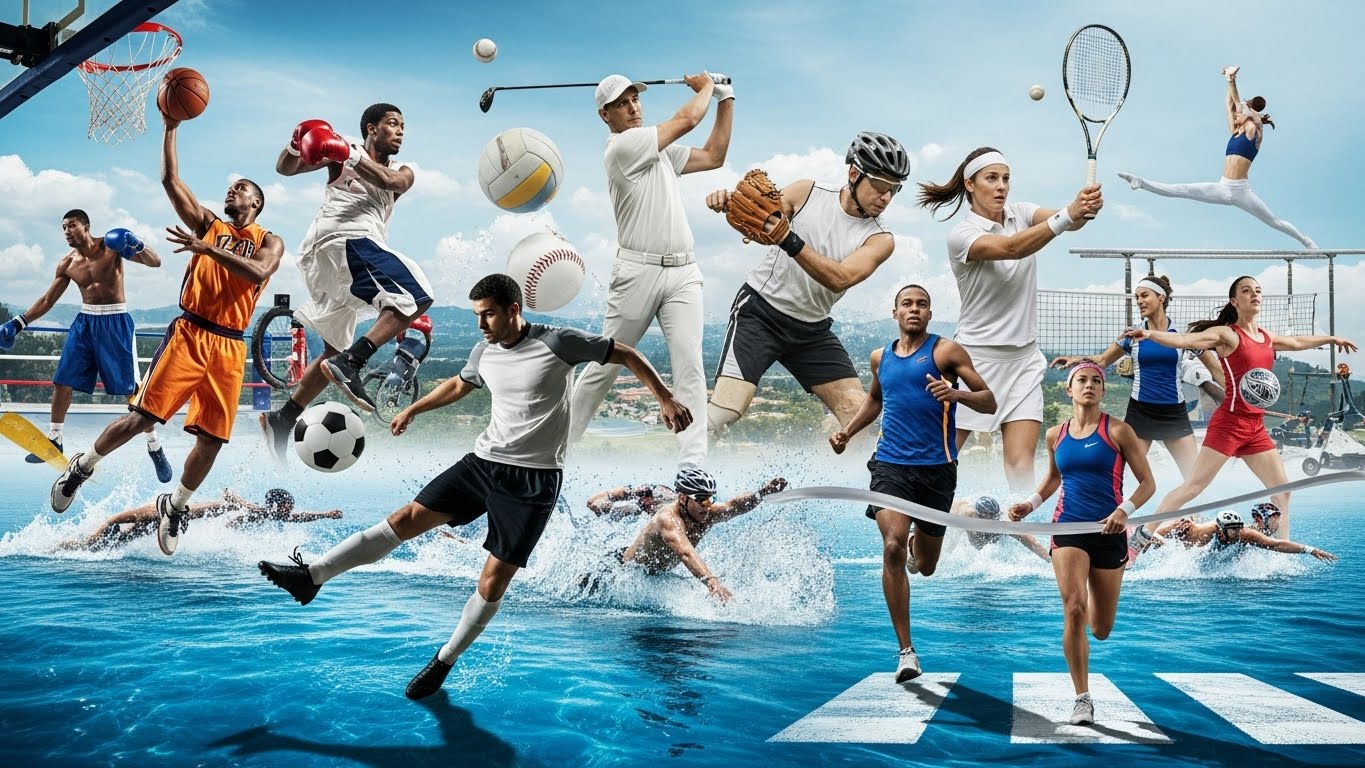
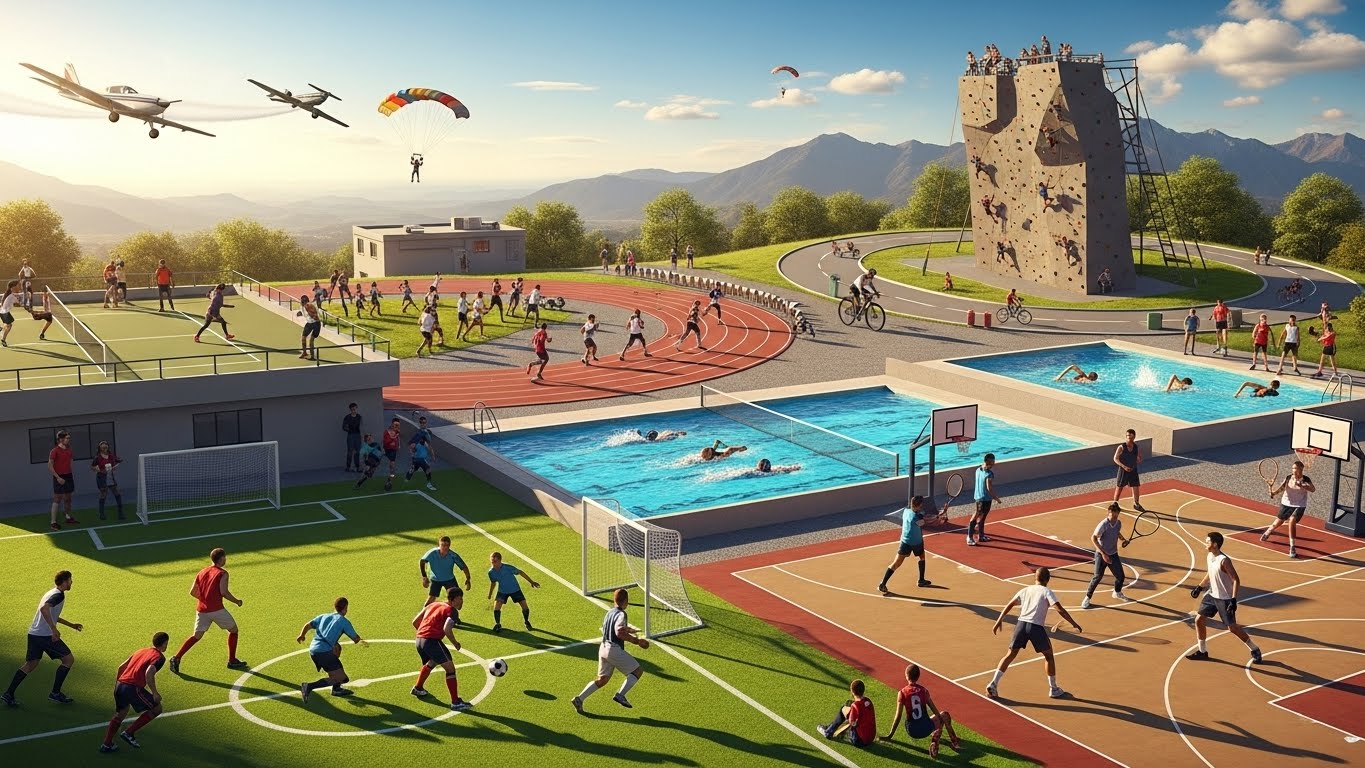
Sports are far more than games played on fields, courts, or tracks. They are a reflection of human ambition, resilience, and the desire to excel. From ancient civilizations to the modern digital age, sports have remained a constant force that unites people across borders, languages, and beliefs. Whether played professionally or casually in local communities, sports influence physical health, mental strength, social bonds, and even national identity. This blog explores how sports impact individuals and societies, going far beyond wins, losses, and statistics.
The Historical Roots of Sports
The origins of sports can be traced back thousands of years. Ancient civilizations such as the Greeks, Romans, Chinese, and Egyptians all practiced organized physical competitions. The ancient Olympic Games, for example, were not just athletic contests but cultural festivals that celebrated discipline, honor, and peace. Over time, sports evolved alongside societies, adapting to cultural values and technological changes. Traditional games transformed into structured competitions with formal rules, leading to the global sports culture we know today. This long history shows that sports are deeply embedded in human civilization.
Sports as a Tool for Physical Well-Being
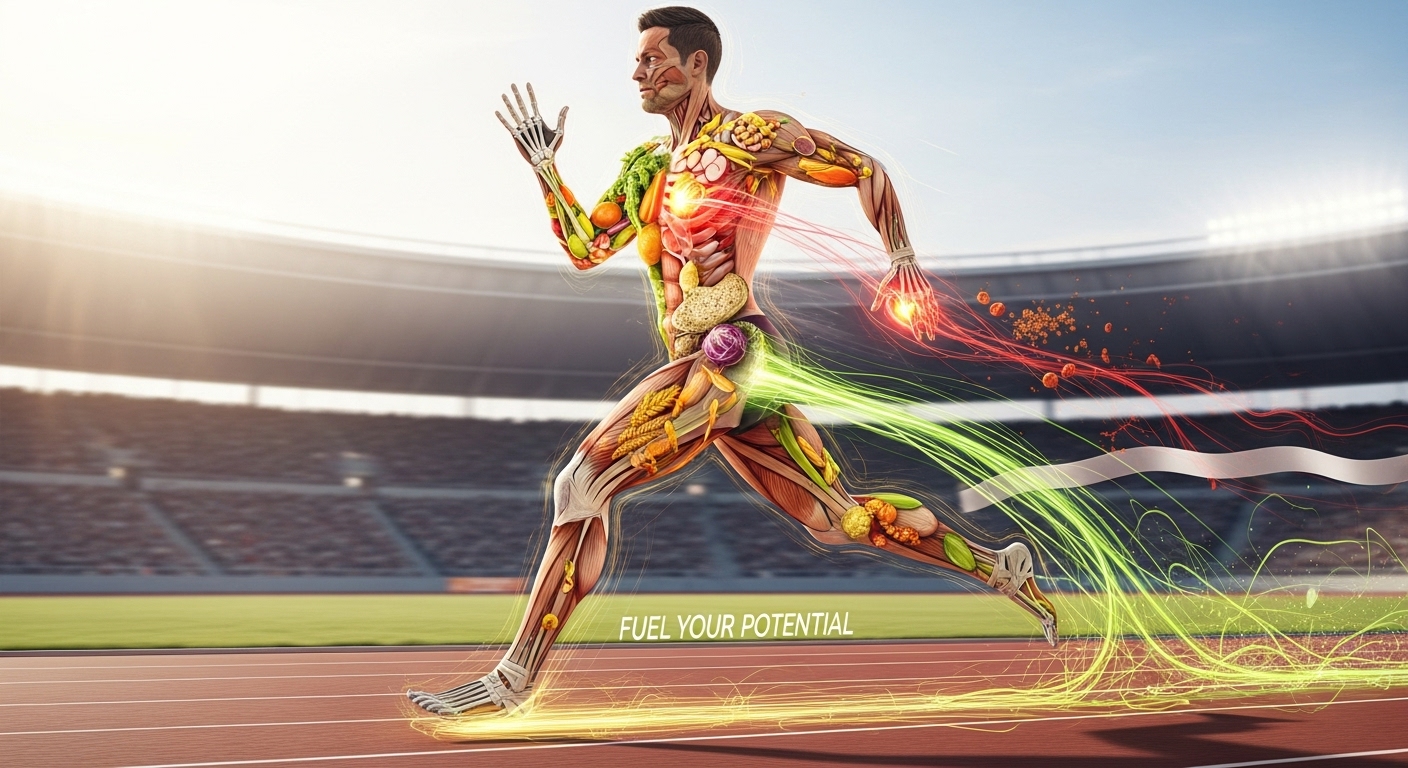
One of the most visible benefits of sports is physical fitness. Regular participation in sports improves cardiovascular health, builds muscle strength, enhances flexibility, and boosts endurance. In a world increasingly dominated by sedentary lifestyles, sports offer a natural and enjoyable way to stay active. Beyond physical appearance, engaging in sports reduces the risk of chronic diseases, improves immune function, and promotes healthy growth in children and adolescents. For people of all ages, sports provide a sustainable path toward a healthier life.
Mental Strength and Emotional Balance
Sports play a significant role in mental health. Physical activity stimulates the release of endorphins, which help reduce stress, anxiety, and depression. Beyond chemical benefits, sports teach valuable psychological skills. Athletes learn how to handle pressure, cope with failure, and stay focused under challenging circumstances. The discipline required in training builds self-control, while competition fosters confidence and emotional resilience. Even spectators often experience emotional relief and joy through sports, finding inspiration in the stories of athletes who overcome adversity.
Character Building Through Competition
Participation in sports helps shape character in powerful ways. Values such as teamwork, fairness, respect, and responsibility are learned naturally through play. Athletes understand that success depends not only on individual talent but also on cooperation and trust. Losing a game teaches humility and patience, while winning encourages gratitude and sportsmanship. These lessons extend beyond the playing field and influence personal and professional life. Many successful leaders credit sports for teaching them discipline, perseverance, and the importance of ethical behavior.
Sports and Social Connection
Sports have a unique ability to bring people together. In local communities, sports clubs create spaces where individuals from different backgrounds interact and form lasting relationships. At a national level, major sporting events generate a sense of unity and pride. Fans celebrate victories together and support their teams during difficult times, creating shared emotional experiences. On a global scale, international competitions foster cultural exchange and mutual respect among nations. In this way, sports act as a social bridge that connects diverse populations.
The Role of Sports in Youth Development
For young people, sports are a powerful educational tool. Participation in sports encourages discipline, time management, and goal setting. Young athletes learn the importance of practice and commitment, understanding that improvement comes through consistent effort. Sports also provide a constructive outlet for energy, helping reduce negative behaviors and promoting positive lifestyles. Coaches often become mentors, guiding young players not only in skills but also in life lessons. Through sports, youth gain confidence, leadership abilities, and a sense of purpose.
Economic and Career Opportunities in Sports
The sports industry has grown into a major economic force. Professional leagues, tournaments, and sporting events generate employment for millions of people worldwide. Careers in sports are no longer limited to athletes alone. Opportunities exist in coaching, sports management, fitness training, media, marketing, and sports science. For many countries, sports tourism and events contribute significantly to economic growth. This economic dimension highlights how sports influence not only health and culture but also livelihoods and national development.
Media, Technology, and the Evolution of Sports
Advancements in media and technology have transformed how sports are played, watched, and analyzed. Modern equipment enhances athlete performance and safety, while data analysis helps teams improve strategies. Media coverage allows fans to follow their favorite sports and athletes from anywhere in the world, creating global fan communities. Technology has also increased transparency through instant replays and performance tracking. While these changes have commercialized sports, they have also made them more accessible and engaging for audiences worldwide.
Sports as a Source of Inspiration
Athletes often become symbols of hope and inspiration. Their journeys of hard work, sacrifice, and determination motivate millions. Stories of athletes overcoming poverty, injury, or discrimination resonate deeply with fans. These narratives remind people that success is possible despite obstacles. Sports heroes influence social attitudes, encourage charitable initiatives, and inspire young generations to dream big. The inspirational power of sports lies in its ability to show the best of human potential.
Challenges and Ethics in Modern Sports
Despite their many positives, sports also face challenges. Issues such as corruption, doping, excessive commercialization, and unequal opportunities threaten the integrity of competition. The pressure to win can sometimes overshadow fair play and athlete well-being. Addressing these issues requires strong governance, ethical leadership, and awareness among fans and participants. Promoting inclusivity, gender equality, and mental health support is essential for the future of sports. Recognizing these challenges allows sports to grow in a healthier and more responsible direction.
The Cultural Impact of Sports
Sports influence culture in powerful ways. They shape fashion, language, traditions, and even national identity. Celebrations after major victories become part of collective memory, while legendary matches are remembered for generations. In many societies, sports reflect social values and struggles, becoming platforms for social change. Athletes have often used their influence to raise awareness about important issues, demonstrating that sports can be a voice for justice and equality.
Conclusion: More Than a Game
Sports are much more than physical contests or entertainment. They are a vital part of human life that shape bodies, minds, and societies. Through sports, individuals learn discipline, communities find unity, and nations express identity. While challenges exist, the positive impact of sports remains undeniable. By promoting fair play, inclusivity, and respect, sports can continue to inspire and uplift future generations. Beyond the scoreboard and trophies, the true value of sports lies in their ability to bring out the best in humanity.