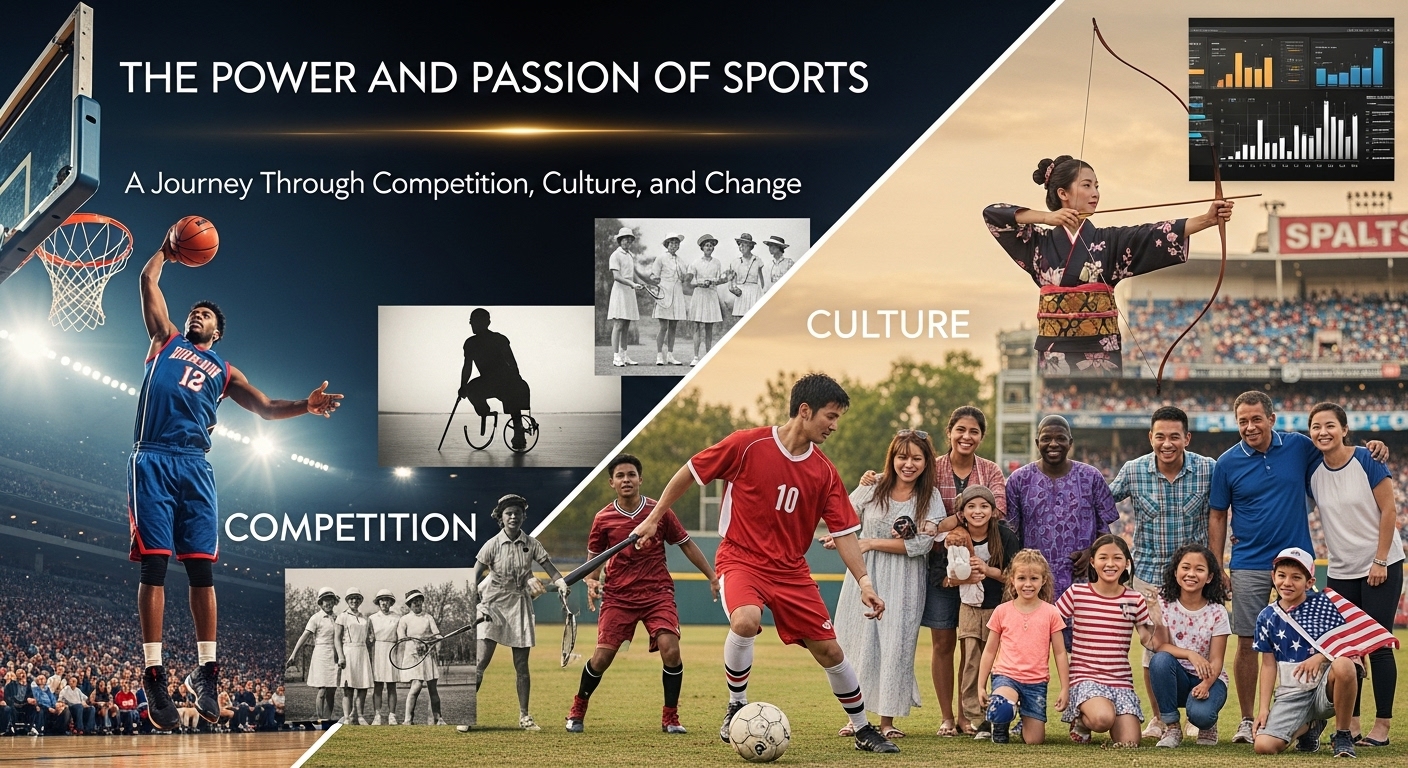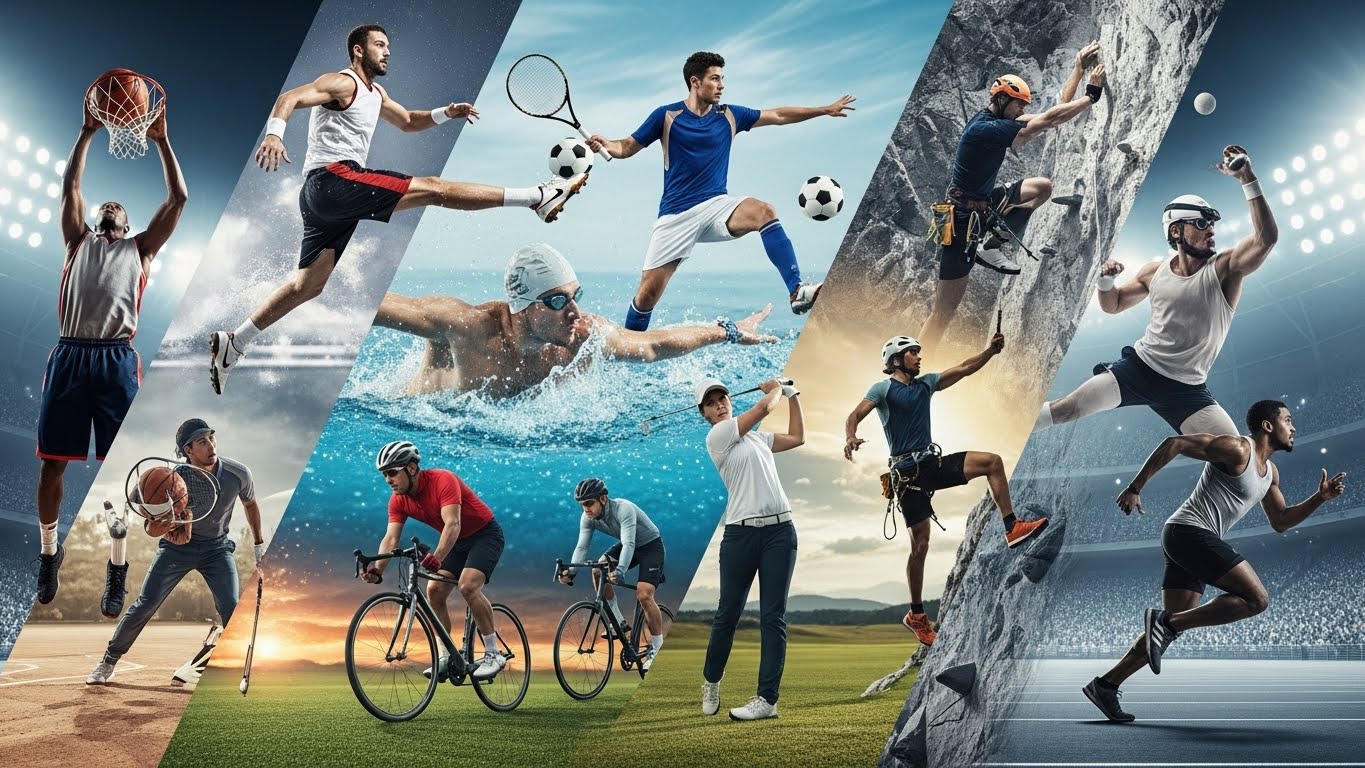

Sports are more than just a form of entertainment or a way to stay physically active; they are a reflection of human ambition, discipline, and community. From ancient times to the modern era, sports have influenced culture, inspired innovation, and brought people together across the globe. In this post, we explore how sports impact our lives beyond the playing field, examining their role in personal development, society, and culture.
The Historical Roots of Sports
The history of sports stretches back thousands of years. Ancient civilizations, such as the Greeks, Egyptians, and Romans, engaged in athletic competitions that not only tested physical skill but also represented societal values. For instance, the Olympic Games in Greece were more than just contests of strength; they celebrated excellence, honor, and the human spirit. Similarly, gladiatorial games in Rome, while brutal, reflected the society’s complex views on power, entertainment, and spectacle.
These early examples show that sports were deeply intertwined with social structure and cultural identity. They were not merely hobbies but a reflection of human ingenuity and the desire to test limits. Over time, sports evolved into organized activities with rules, teams, and professional leagues, paving the way for the global phenomenon we witness today.
Physical Health Benefits of Sports
One of the most obvious impacts of sports is on physical health. Regular participation in athletic activities improves cardiovascular health, strengthens muscles, enhances flexibility, and helps maintain a healthy weight. Exercise through sports also boosts the immune system, reduces the risk of chronic diseases such as diabetes and hypertension, and promotes overall well-being.
Moreover, sports encourage habits of regular physical activity that can last a lifetime. Children who play sports tend to develop better motor skills and coordination, which can positively affect their growth and development. For adults, engaging in sports helps combat the sedentary lifestyle prevalent in today’s society. Even recreational sports, like jogging, swimming, or playing casual basketball, can significantly enhance quality of life.
Mental Health and Cognitive Benefits
While the physical benefits of sports are widely recognized, the mental health advantages are equally important. Sports can act as a stress reliever, providing an outlet for tension and anxiety. Physical activity triggers the release of endorphins, often referred to as “feel-good” hormones, which help elevate mood and reduce feelings of depression.
Sports also promote cognitive development. Strategic games like chess, football, and basketball require planning, decision-making, and quick thinking. Athletes constantly analyze situations, anticipate opponents’ moves, and adapt strategies, which enhances problem-solving skills and mental agility. Team sports, in particular, teach communication, cooperation, and leadership, fostering emotional intelligence that extends beyond the playing field.
Building Character and Discipline
Sports are a powerful tool for developing personal character and discipline. Success in sports rarely comes without consistent effort, practice, and resilience. Athletes learn to set goals, face challenges, and push past setbacks. These lessons often translate into other areas of life, such as education, career, and relationships.
For example, a young soccer player who trains rigorously to improve skills learns patience, perseverance, and the importance of consistent effort. Similarly, a marathon runner must cultivate mental toughness to endure long distances, teaching them to embrace discomfort as part of growth. Sports instill values such as honesty, integrity, teamwork, and respect for rules, all of which are crucial for personal development.
Sports as a Social Connector
Beyond individual benefits, sports play a significant role in building social connections. Watching or participating in sports creates a sense of community, whether it is cheering for a local team, joining a recreational league, or attending a stadium event. These experiences foster bonds among people of diverse backgrounds, uniting them through a shared passion.
Team sports, in particular, highlight the importance of collaboration. Players must trust one another, communicate effectively, and work together toward a common goal. This sense of camaraderie often leads to lifelong friendships and networks. Even in individual sports, such as tennis or athletics, athletes form connections with coaches, trainers, and fellow competitors, demonstrating that sports extend far beyond the individual.
Cultural Impact of Sports
Sports have a profound cultural impact, shaping national identities and global perceptions. Countries take immense pride in their athletic achievements, with victories in international competitions often becoming symbols of unity and patriotism. Events like the Olympics, the FIFA World Cup, and the Super Bowl attract worldwide attention, transcending borders and language barriers.
Moreover, sports influence fashion, entertainment, and media. Iconic athletes become role models, inspiring generations through their achievements and personal stories. Sports also provide platforms for social change, raising awareness on critical issues and promoting equality. For instance, athletes advocating for gender equality, racial justice, or mental health awareness demonstrate the power of sports to affect societal progress.
Economic Significance of Sports
The sports industry is a major contributor to the global economy. Professional leagues, tournaments, sponsorships, merchandise, and broadcasting rights generate billions of dollars annually. Local economies benefit from sports tourism, as fans travel to attend games, competitions, and sporting events, boosting hospitality, retail, and transportation sectors.
Furthermore, sports-related industries create jobs and opportunities in coaching, training, sports medicine, marketing, and management. Even at the grassroots level, community sports programs can stimulate local economies while promoting youth engagement and development. Clearly, the influence of sports extends far beyond personal and cultural realms into tangible economic benefits.
The Role of Technology in Modern Sports
Technology has revolutionized sports in numerous ways. From performance tracking and injury prevention to broadcasting and fan engagement, innovations have transformed how sports are played and consumed. Wearable devices monitor athletes’ vital signs and physical performance, helping coaches optimize training and reduce injury risks.
Video analysis allows teams to study opponents, refine strategies, and enhance skill development. Additionally, digital platforms provide fans with immersive experiences, enabling live streaming, virtual reality simulations, and real-time statistics. Technology not only improves athletic performance but also broadens access to sports, making them more inclusive and interactive for fans worldwide.
Sports and Youth Development
For children and teenagers, sports play a crucial role in holistic development. Participation in sports fosters physical fitness, self-confidence, social skills, and academic performance. Youth sports programs provide structured environments where young people can learn discipline, time management, and teamwork, all while having fun.
Sports also offer a constructive outlet for energy and creativity. They help youth navigate challenges, build resilience, and develop a sense of responsibility. By nurturing both physical and emotional growth, sports contribute significantly to shaping future generations.
Challenges in the World of Sports
Despite its many benefits, sports also face challenges. Issues like doping, corruption, inequality, and excessive commercialization can tarnish the integrity of sports. Gender disparities, lack of access in underprivileged communities, and unethical practices remain persistent concerns.
Addressing these challenges requires ethical governance, fair play, and inclusive policies. Encouraging transparency, investing in grassroots programs, and promoting education about sportsmanship can ensure that sports continue to serve as a positive force in society.
The Future of Sports
The future of sports promises exciting possibilities. Emerging trends such as e-sports, adaptive sports for differently-abled athletes, and sustainable sports initiatives are reshaping the industry. E-sports, for example, are gaining global recognition, offering competitive platforms for gamers and attracting substantial audiences.
Sustainability in sports is another key focus. Stadiums and events are increasingly designed with eco-friendly practices, reducing carbon footprints while promoting environmental awareness. The integration of artificial intelligence, augmented reality, and other technologies will continue to enhance performance, fan engagement, and accessibility, ensuring that sports evolve with the times.
Conclusion: More Than Just a Game
Sports are far more than a pastime or competition. They are a mirror of human potential, a source of joy and inspiration, and a bridge connecting people across cultures. From improving physical and mental health to shaping character, fostering community, and driving economic growth, the influence of sports is profound and multifaceted.
In an increasingly fast-paced world, sports remind us of the value of perseverance, teamwork, and dedication. They challenge us to push boundaries, celebrate excellence, and embrace diversity. Whether you are an athlete, a fan, or someone who simply enjoys the thrill of a game, sports have the power to enrich our lives in countless ways. They are, truly, a reflection of the best in humanity, and their legacy will continue to inspire generations to come.