Introduction: The Universal Language of Sports
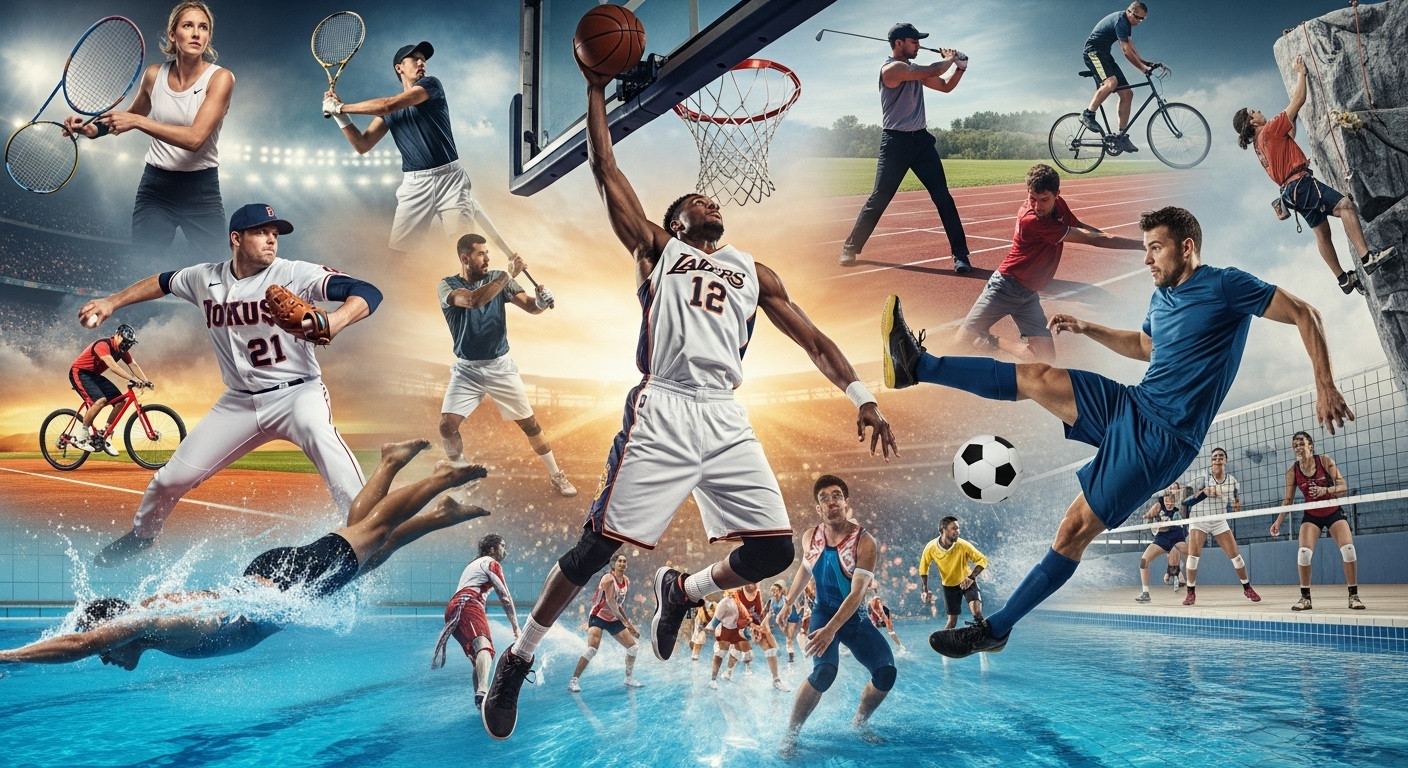
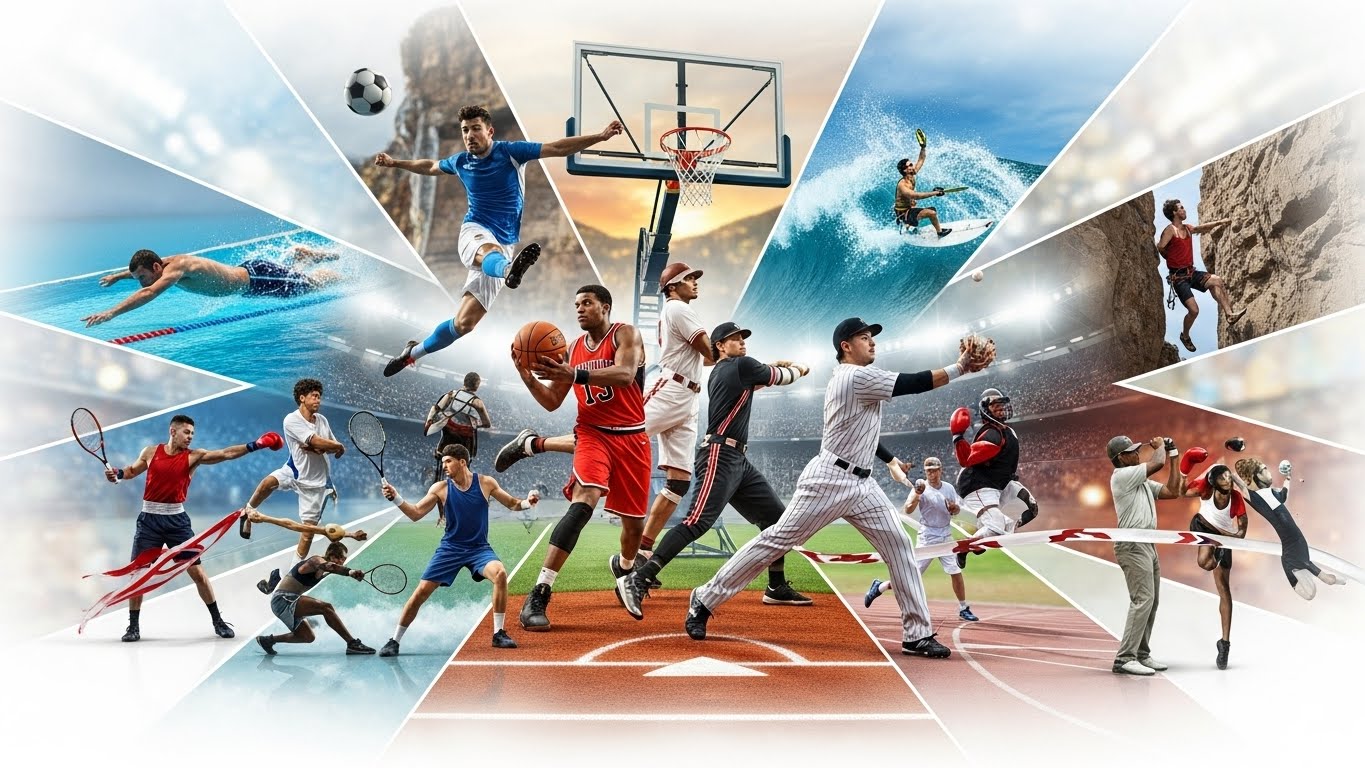
Sports have always been more than mere physical activity—they are a reflection of human culture, determination, and passion. From ancient Olympic competitions to contemporary global leagues, sports unite people across languages, borders, and generations. The thrill of competition, the pursuit of excellence, and the spirit of teamwork make sports a universal language that everyone can understand. Beyond entertainment, sports influence personal development, social cohesion, and even economic growth. This blog explores the multifaceted world of sports, examining their history, cultural impact, and significance in shaping modern society.
The Historical Evolution of Sports
The roots of sports trace back thousands of years. Early civilizations engaged in physical contests as a form of ritual, military training, and social bonding. Ancient Greek Olympics celebrated athleticism and honor, while traditional games in Asia, Africa, and the Americas reflected cultural practices and local traditions. With the industrial revolution, sports became more organized and formalized, giving rise to modern competitions and professional leagues. Standardized rules, official tournaments, and national representation transformed sports into a global phenomenon. Today, technological advancements have amplified their reach, turning sports into a billion-dollar industry and an integral part of daily life.
The Physical Benefits of Sports
Engaging in sports provides substantial physical benefits. Regular participation improves cardiovascular health, strengthens muscles, enhances flexibility, and increases endurance. Sports activities help maintain healthy body weight and prevent chronic illnesses such as diabetes and hypertension. Beyond these health benefits, sports also enhance coordination, agility, and motor skills. Participating in physical activities from a young age establishes lifelong habits of fitness and well-being, demonstrating that sports are foundational to a healthy lifestyle.
Mental and Emotional Advantages of Sports
Sports contribute significantly to mental and emotional well-being. Physical activity stimulates endorphin production, reducing stress, anxiety, and depression. Engaging in sports requires focus, strategy, and decision-making, which sharpens cognitive skills and improves concentration. Athletes learn to handle pressure, bounce back from setbacks, and develop resilience. Moreover, achieving goals and milestones in sports boosts confidence, motivation, and self-esteem. Whether in casual play or competitive arenas, sports provide a healthy outlet for emotional expression and mental stimulation.
Character Building and Personal Development
Participation in sports fosters essential life skills and character traits. Team sports teach collaboration, communication, and conflict resolution, while individual sports cultivate self-discipline, accountability, and strategic thinking. Athletes learn to set goals, manage time, and persevere through challenges. Facing wins and losses in sports encourages humility, resilience, and a strong work ethic. These lessons translate beyond the field or court, preparing individuals for personal, academic, and professional challenges. Sports, therefore, are as much about character development as they are about competition.
The Social Impact of Sports
Sports have a unique ability to bring people together. Local clubs, community teams, and school leagues foster friendships and social engagement. National and international sporting events, like the Olympics and FIFA World Cup, unite entire nations and inspire a sense of pride. Sports also promote inclusion, providing opportunities for people of all ages, genders, and abilities to participate. Adaptive sports programs ensure that differently-abled individuals can compete, promoting equality and empowerment. By connecting people, sports strengthen social bonds, encourage teamwork, and foster a sense of belonging in communities worldwide.
Professional Sports and Entertainment
Professional sports have become a major source of global entertainment. Leagues, tournaments, and championships captivate millions of fans, creating cultural phenomena around teams, athletes, and rivalries. Professional athletes are admired for their skill, discipline, and perseverance, becoming role models and public figures. Media coverage, live broadcasts, and digital streaming allow fans to engage with sports in real-time, creating immersive and interactive experiences. The commercialization of sports through sponsorships, merchandise, and broadcasting rights also drives economic growth, demonstrating that sports operate at the intersection of competition, culture, and business.
Women in Sports
The role of women in sports has expanded significantly in recent decades. Female athletes now compete at professional levels, break records, and inspire future generations. Women’s leagues, tournaments, and international events are gaining recognition and popularity, challenging traditional gender norms. The success of female athletes demonstrates that talent, dedication, and passion transcend gender. Encouraging young girls to participate in sports fosters self-confidence, leadership skills, and equality, ensuring that the benefits of sports are accessible to all.
Youth Sports and Development
Participation in sports from a young age is critical for personal growth and skill development. Youth sports teach teamwork, discipline, leadership, and social interaction. They provide a constructive outlet for energy, encourage healthy habits, and instill goal-oriented mindsets. Early engagement in sports also opens pathways for talent identification, allowing gifted individuals to pursue professional careers. Beyond competition, youth sports promote ethics, fair play, and enjoyment, creating a foundation for lifelong physical activity and character development.
Extreme Sports and Adventure
Extreme sports push athletes to their physical and mental limits, combining risk, skill, and adrenaline. Activities such as rock climbing, skydiving, surfing, and snowboarding attract thrill-seekers who thrive on challenge and excitement. Extreme sports teach risk management, focus, and problem-solving while offering unique opportunities for self-discovery. They also encourage environmental awareness, as many activities are closely connected to nature. While safety and preparation are crucial, extreme sports embody the adventurous spirit and passion that define human engagement with physical activity.
Technology in Sports
Technology has revolutionized the way sports are played, analyzed, and experienced. Wearable devices track performance, monitor health, and optimize training regimens. Video replay systems and motion analysis enhance coaching and skill development. Broadcasting technology, including instant replay and virtual graphics, enriches the viewing experience. Social media platforms and interactive apps allow fans to engage with athletes and teams like never before. Technology enhances performance, safety, and entertainment, ensuring that sports remain dynamic, precise, and widely accessible.
Sports and Global Culture
Sports play a central role in shaping culture and identity. Popular sports often reflect societal values, traditions, and regional pride. Football in Europe, cricket in South Asia, basketball in North America, and martial arts in East Asia are not just games—they are cultural phenomena. International competitions promote cultural exchange, friendly rivalry, and global unity. Sports inspire art, music, fashion, and storytelling, demonstrating their influence beyond the field. They serve as a mirror to society, reflecting human ambition, creativity, and the pursuit of excellence.
Mental Health and Well-being
Participation in sports supports mental health and overall well-being. Engaging in physical activity reduces stress, increases endorphins, and promotes emotional stability. Sports also teach coping mechanisms, resilience, and mindfulness. Team sports provide social support and belonging, while individual sports encourage introspection and focus. Regular engagement in sports helps individuals manage life’s pressures while fostering a positive mindset and emotional intelligence. Sports, therefore, are essential not only for physical health but also for mental and emotional balance.
Economic and Social Significance of Sports
Sports have a substantial economic impact, generating revenue through ticket sales, broadcasting, sponsorships, merchandise, and tourism. Large events like the Olympics and World Cup stimulate local economies through infrastructure development and international exposure. Professional leagues create employment opportunities in coaching, administration, media, and marketing. Beyond economics, sports drive social engagement, community development, and cultural pride. Their influence extends across society, highlighting their multifaceted significance beyond competition alone.
The Future of Sports
The future of sports is poised for innovation, inclusivity, and global connectivity. Advancements in technology, such as virtual reality, augmented reality, and artificial intelligence, will enhance training, performance, and fan experiences. Women’s and adaptive sports will continue to gain recognition and support, promoting equality and diversity. Esports and digital competitions are expanding the definition of sports, creating new forms of engagement and entertainment. The evolution of sports will reflect societal trends, technological progress, and the enduring human desire for challenge, achievement, and community.
Conclusion: Sports as a Force for Growth and Unity
Sports are far more than competitions—they are a force for personal growth, social cohesion, and cultural expression. They enhance physical and mental health, teach essential life skills, and unite communities across borders. From local youth leagues to international championships, sports foster resilience, teamwork, and determination. As technology and innovation continue to shape the landscape, sports will remain a vital aspect of human life, inspiring excellence, celebrating achievement, and connecting people worldwide. Through sports, humanity experiences challenge, joy, and the transformative power of shared endeavor.