Introduction: The Universal Language of Sports
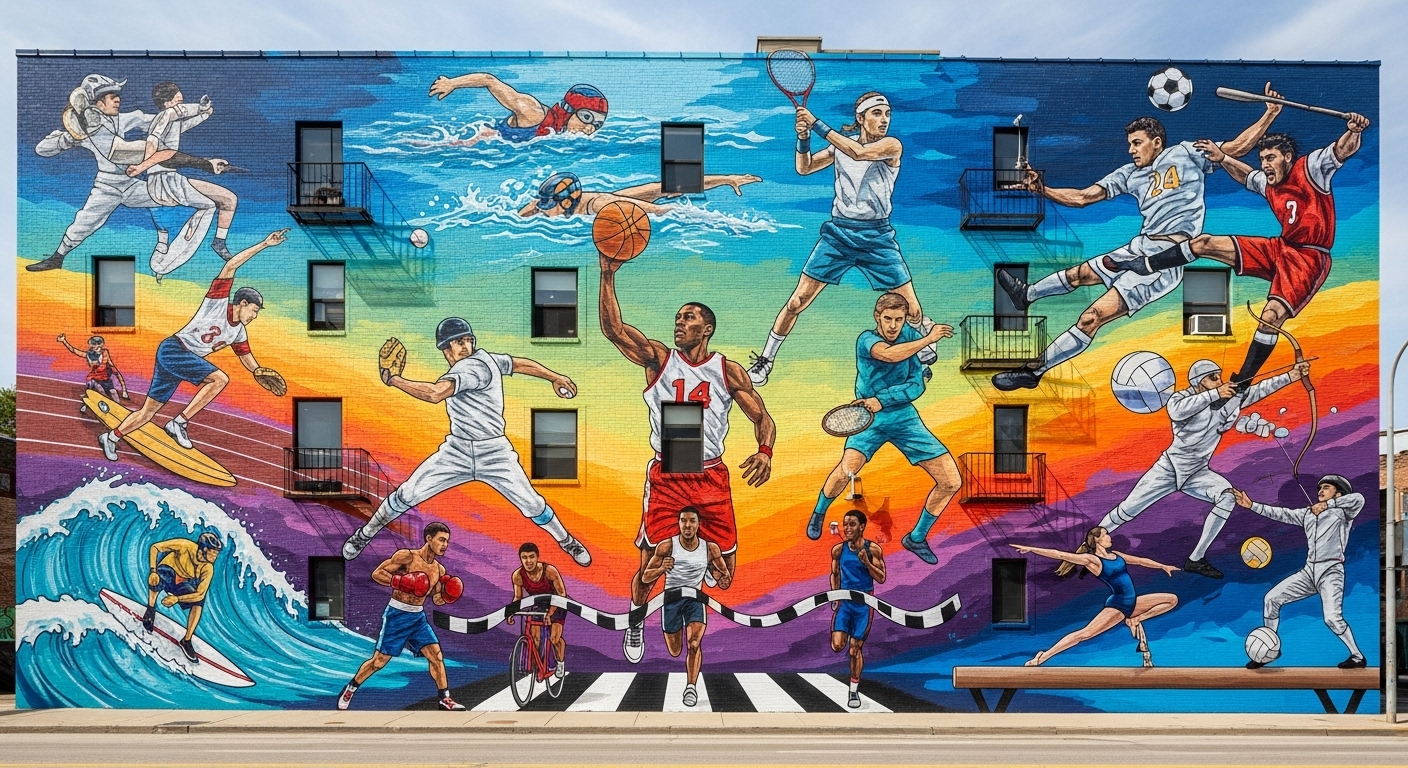
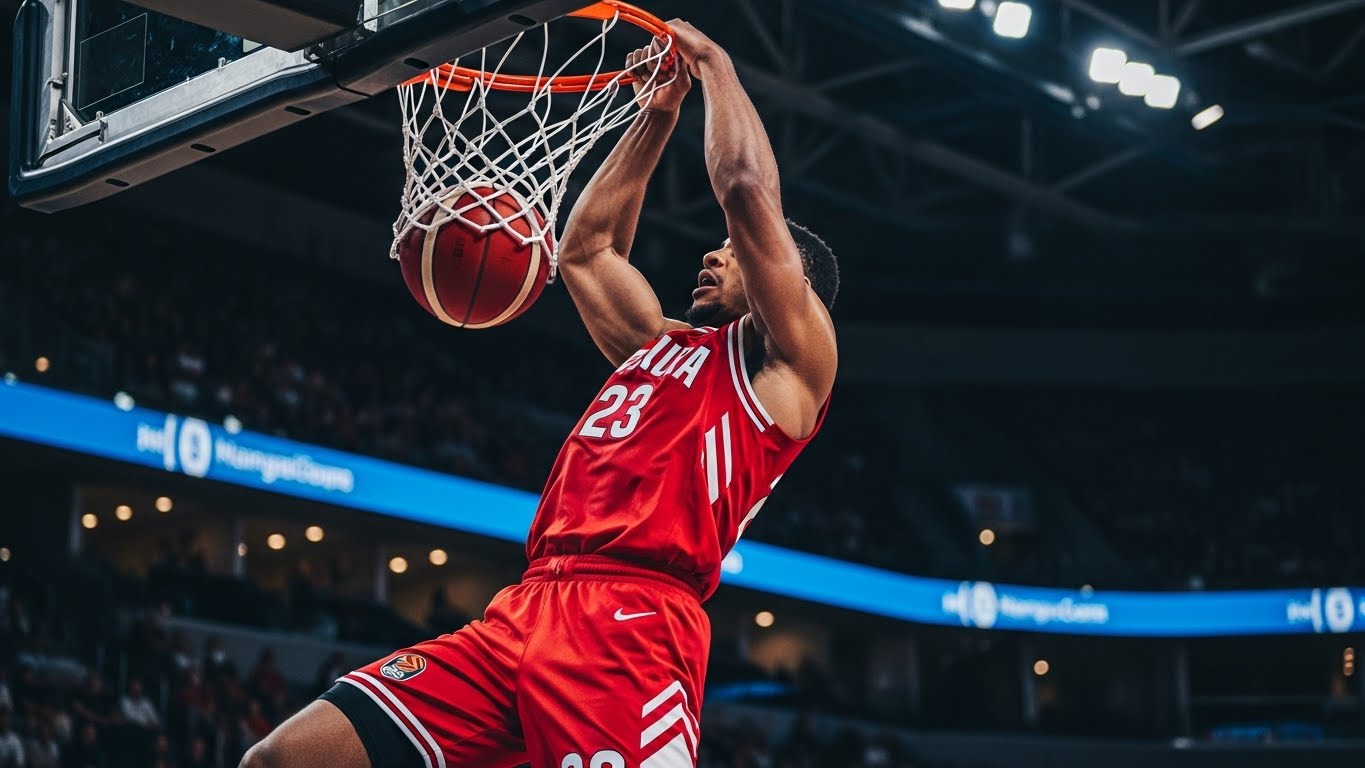
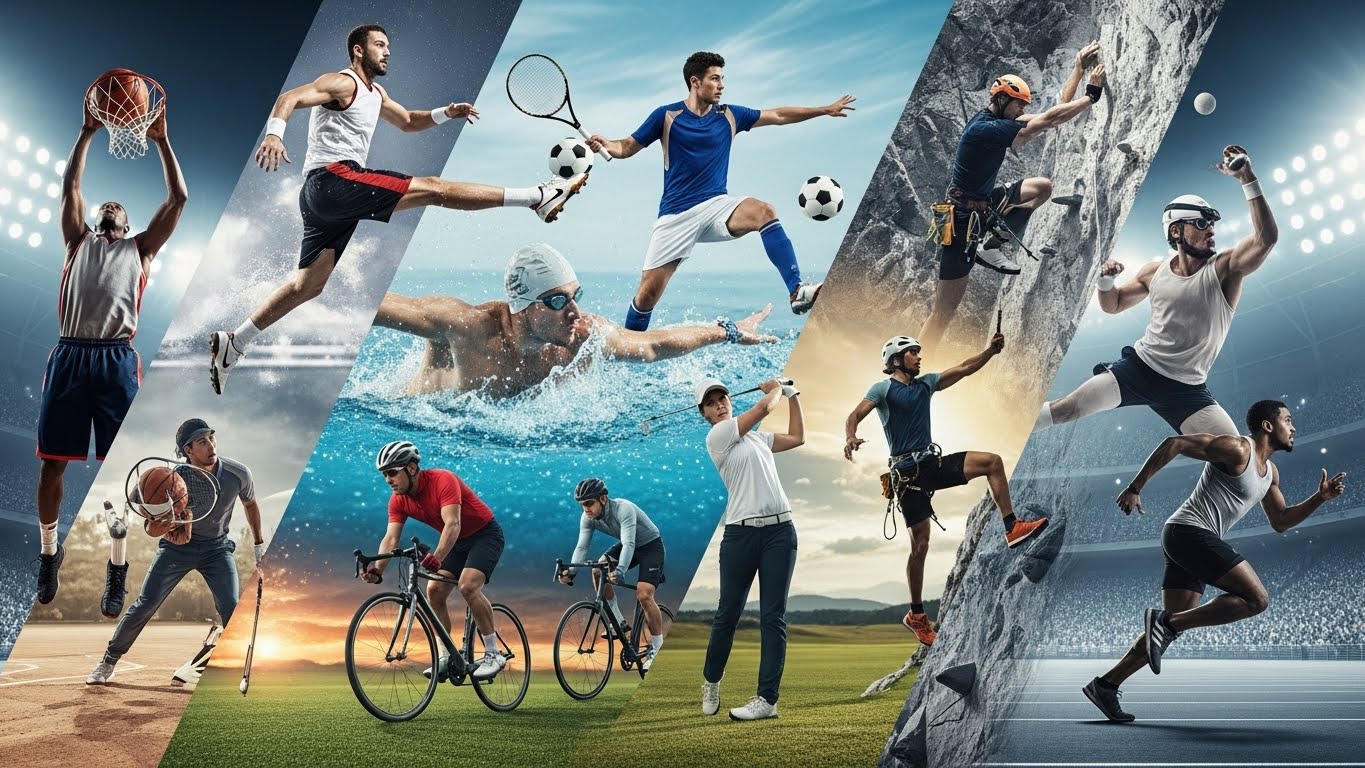
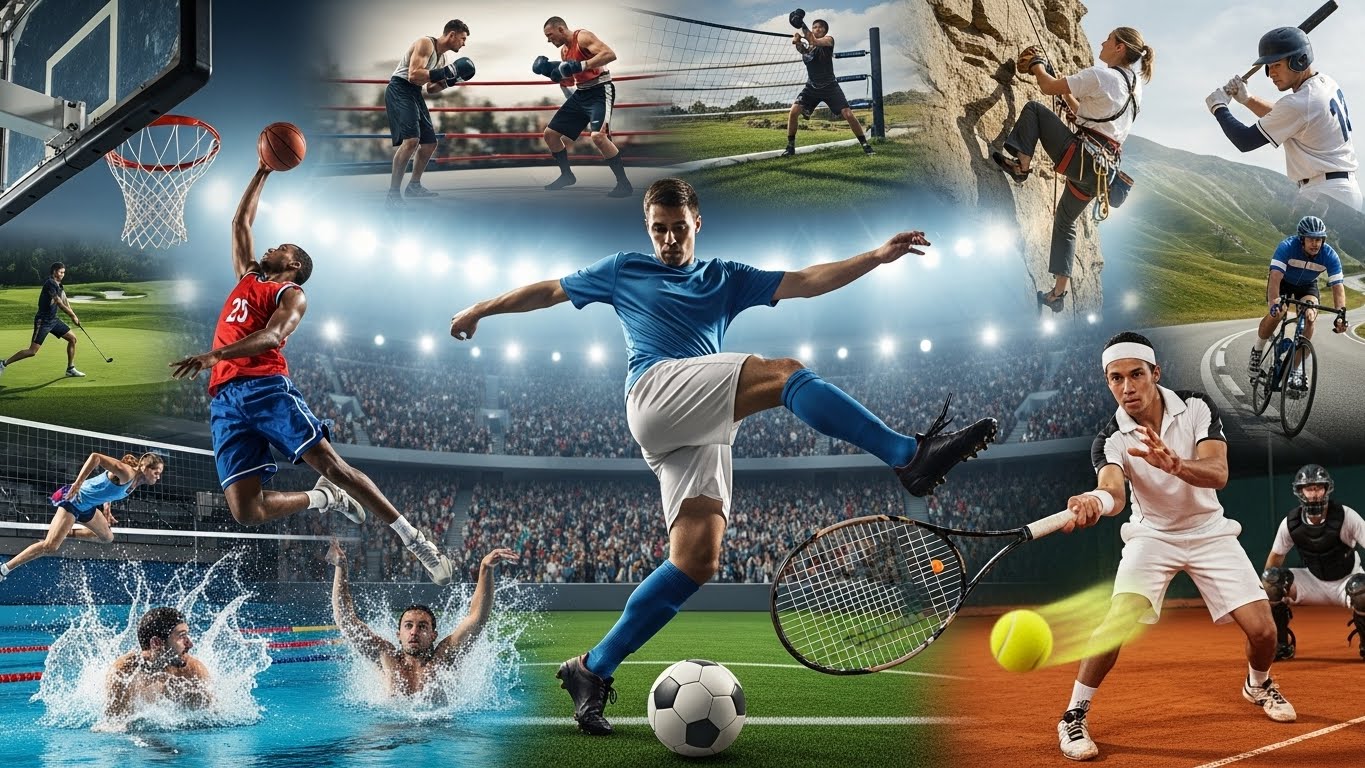
Sports have been an integral part of human civilization for centuries, transcending boundaries of culture, language, and geography. From ancient Olympic games to modern-day leagues, sports have always been more than just physical contests—they are a reflection of society, a platform for personal growth, and a source of inspiration for millions. Whether it is football, cricket, tennis, or athletics, every sport carries its own story, traditions, and lessons. Understanding the impact of sports helps us appreciate not only the thrill of competition but also the deeper values they instill in players and fans alike.
Physical and Mental Benefits of Sports
Participation in sports is widely recognized for its physical benefits, including improving cardiovascular health, muscle strength, flexibility, and coordination. Engaging in regular physical activity helps reduce the risk of lifestyle-related diseases, such as obesity, diabetes, and heart ailments. However, sports are not just about physical fitness. Mental and emotional benefits are equally profound. Athletes often experience enhanced focus, discipline, resilience, and stress relief. The challenges faced on the field translate into coping skills off the field, fostering mental toughness and emotional stability.
Building Character Through Competition
One of the most powerful aspects of sports is its ability to shape character. Competitive sports demand perseverance, patience, teamwork, and ethical conduct. Athletes learn to navigate both victories and defeats gracefully, understanding that true success is measured not solely by winning, but by continuous effort and integrity. Sports also encourage self-reflection and goal-setting, pushing individuals to improve themselves consistently. Young people, in particular, gain a sense of responsibility, leadership, and empathy through participation in team sports, which can positively influence their personal and professional lives.
Sports as a Catalyst for Social Change
Sports have the unique power to bring communities together and break down social barriers. They often act as a unifying force, fostering national pride and promoting inclusivity. Events like the World Cup, the Olympics, and regional tournaments create a shared sense of identity, giving people common ground to celebrate, cheer, and collaborate. Beyond the spectacle, sports have also been a platform for advocating social change. Prominent athletes have used their influence to champion causes such as gender equality, racial justice, environmental sustainability, and mental health awareness, demonstrating that sports can be a powerful tool for societal progress.
The Role of Technology in Modern Sports
In recent decades, technology has transformed how sports are played, analyzed, and consumed. Innovations such as performance tracking devices, virtual coaching, and advanced analytics have redefined athlete training and strategy. Fans now experience sports through immersive technologies, including live streaming, augmented reality, and interactive applications, making the experience more engaging than ever. Despite these advancements, the essence of sports—the thrill of competition, the unpredictability of outcomes, and the display of human skill—remains unchanged. Technology enhances the experience but never replaces the core values that make sports meaningful.
Sports and Youth Development
Sports play a critical role in the growth and development of children and teenagers. Participating in physical activities fosters discipline, encourages healthy habits, and enhances social skills. Young athletes develop time management skills as they balance academics, training, and leisure. Furthermore, sports provide an avenue for discovering and nurturing talent, potentially leading to professional careers. Importantly, youth sports create environments where children learn about inclusion, collaboration, and resilience, equipping them with skills that extend far beyond the playing field.
Women in Sports: Breaking Barriers
Historically, sports were dominated by men, but recent decades have witnessed a remarkable surge in women’s participation across all levels. Female athletes are increasingly challenging stereotypes, gaining recognition, and inspiring future generations. The rise of women’s leagues, increased media coverage, and advocacy for equality have created a more inclusive sporting world. Women’s achievements in sports are not just victories on the field—they are milestones for social progress, highlighting the importance of equal opportunity and representation.
The Economic Impact of Sports
Sports are not only a source of entertainment and personal development but also a major economic driver. Professional leagues, tournaments, and international events generate significant revenue through ticket sales, sponsorships, broadcasting rights, and merchandising. The sports industry provides employment to athletes, coaches, administrators, journalists, and countless support staff. Moreover, the economic impact extends to tourism, hospitality, and infrastructure development, illustrating how sports can be a catalyst for regional and national growth.
Fan Culture and the Emotional Connection
Fans are the lifeblood of sports, creating a vibrant culture that extends beyond the games themselves. The passion, loyalty, and emotions that supporters invest in teams and athletes create a sense of belonging and shared identity. Fan traditions, chants, rituals, and celebrations are not just expressions of enthusiasm—they represent the deep emotional connection people have with sports. The joy of victory, the agony of defeat, and the thrill of suspense make sports a shared human experience that transcends generations.
Sports and Global Unity
In an increasingly divided world, sports have the remarkable ability to foster global unity. International competitions encourage cultural exchange, mutual respect, and understanding among nations. Athletes from diverse backgrounds come together to compete, collaborate, and celebrate human potential, sending a message of peace, cooperation, and camaraderie. The universal appeal of sports reminds us that, regardless of nationality, language, or creed, we can all find common ground in the pursuit of excellence, teamwork, and fair play.
Conclusion: More Than Just a Game
Sports are far more than a pastime or entertainment—they are a reflection of life itself. Through sports, individuals develop discipline, resilience, and leadership; communities build cohesion and pride; nations find unity and inspiration. The lessons learned on the field extend into everyday life, shaping character, fostering social progress, and promoting global understanding. Whether playing, coaching, or supporting from the sidelines, everyone involved in sports contributes to a legacy that goes beyond scores and statistics. In essence, sports teach us how to face challenges, celebrate achievements, and navigate life with courage, teamwork, and integrity. The impact of sports is enduring, proving that the value of the game extends far beyond the final whistle.