
Introduction
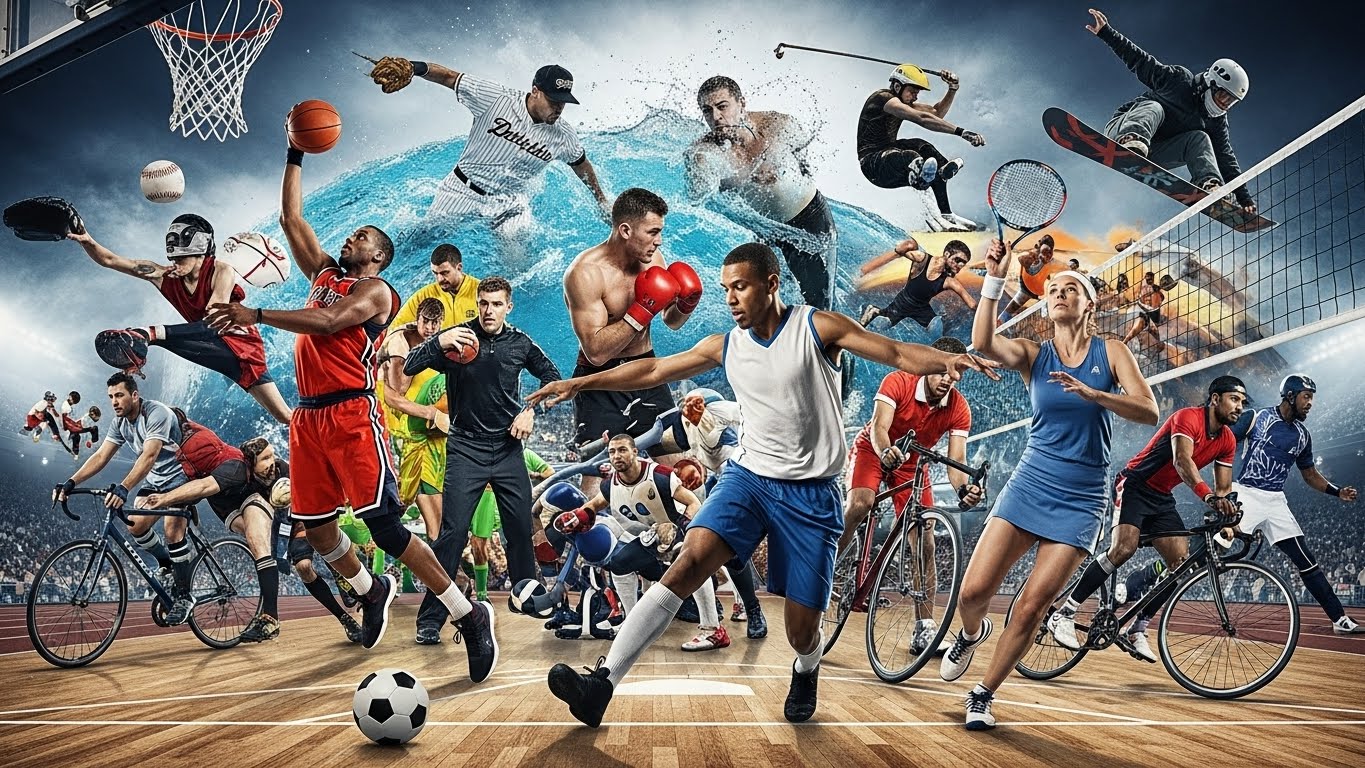
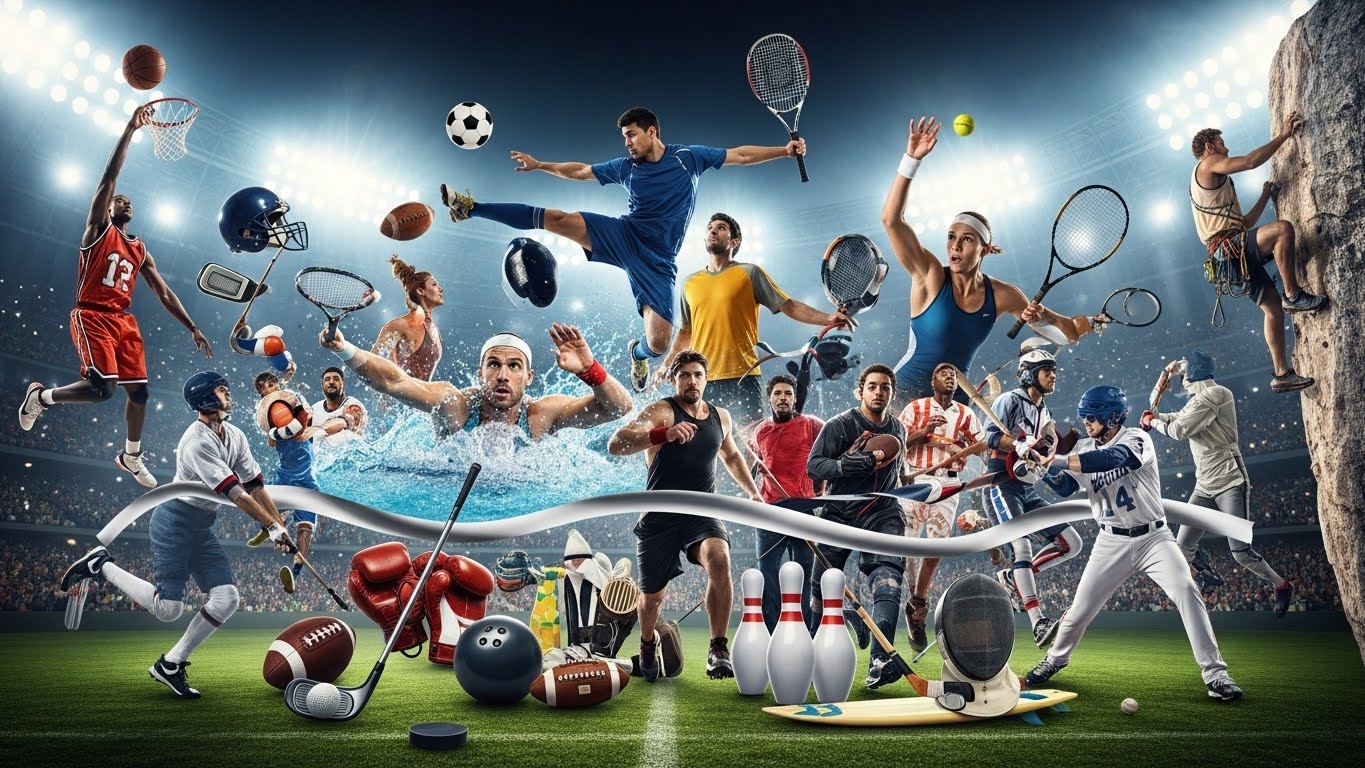
Sports have always been an essential part of human civilization. They are not merely games; they are reflections of our emotions, values, and determination. Whether it’s the sound of cheering fans in a crowded stadium or the quiet concentration of a lone runner at dawn, sports embody the essence of human spirit. They inspire us to aim higher, to challenge our limits, and to embrace teamwork and fair play. In a world where technology and stress dominate our lives, sports remind us of simplicity, discipline, and the joy of movement.
The Origins and Evolution of Sports
The history of sports dates back thousands of years. In ancient societies, physical activities were not only forms of recreation but also a means of survival and preparation for battle. The Greeks organized the first Olympic Games around 776 BC, celebrating athletic excellence as an offering to their gods. Similarly, ancient Egypt, China, and India had their own traditional games involving strength, endurance, and skill.
Over time, sports evolved from local competitions to structured global events. Rules were standardized, clubs were formed, and tournaments gained popularity. With industrialization and modernization, sports became a universal language that crossed cultural and national boundaries. Today, sports like football, cricket, basketball, and athletics are followed by millions around the world, making them powerful social and cultural forces.
Physical and Mental Health Benefits of Sports
Sports are one of the best ways to maintain physical fitness. Regular participation strengthens muscles, improves cardiovascular health, and enhances flexibility and endurance. It helps reduce the risks of chronic diseases such as obesity, diabetes, and hypertension. However, the benefits of sports extend far beyond physical well-being.
Engaging in sports also boosts mental health. Physical activity releases endorphins, the hormones responsible for happiness and stress relief. It helps reduce anxiety and depression while improving focus and confidence. For children and adolescents, sports play a key role in developing coordination, balance, and cognitive skills. Adults who engage in sports often find themselves more energetic and motivated, proving that the body and mind work best in harmony.
The Role of Sports in Building Character
One of the greatest gifts of sports is its ability to shape character. Athletes learn valuable lessons about perseverance, humility, and respect through their journey. Every win teaches the joy of achievement, while every loss teaches resilience. In both victory and defeat, sports reveal the importance of attitude and sportsmanship.
Team sports like football, volleyball, and basketball foster cooperation and communication. Players learn how to trust their teammates, respect opponents, and prioritize collective success over personal glory. Individual sports like tennis, running, or swimming teach discipline, focus, and self-reliance. These lessons extend beyond the field, helping individuals develop leadership qualities and emotional maturity in everyday life.
Sports as a Source of National Pride
Sports have the unique power to unite entire nations. When athletes wear their country’s colors, they become symbols of hope, pride, and unity. Victories in global competitions bring immense joy to citizens and foster a sense of togetherness. Major tournaments such as the FIFA World Cup or the Olympics showcase not only athletic excellence but also cultural diversity and mutual respect among nations.
Even beyond the professional level, local sports events bring communities together. They encourage participation, teamwork, and a shared sense of belonging. Through sports, societies learn the importance of unity and collaboration despite differences in culture, religion, or language.
The Economic and Social Influence of Sports
Sports are not just about physical competition; they are a driving force behind global economies. The sports industry generates billions of dollars annually through ticket sales, broadcasting rights, merchandise, and sponsorships. Major sporting events create job opportunities, attract tourism, and boost local economies. Cities that host global competitions often experience long-term infrastructural development, benefiting both the sports community and residents.
On a social level, sports have a remarkable impact on education and youth development. Many schools and universities integrate sports into their curriculum to promote a balanced lifestyle. Sports scholarships open doors for talented students who might otherwise lack access to higher education. This combination of academics and athletics creates well-rounded individuals ready to contribute positively to society.
Women in Sports: Breaking Barriers and Inspiring Generations
The role of women in sports has transformed significantly over the past century. Once restricted to limited participation, women have now emerged as champions in nearly every field. From Serena Williams dominating tennis to Megan Rapinoe’s leadership in football, female athletes have broken stereotypes and proved that excellence knows no gender.
Women’s participation in sports also plays a crucial role in empowerment. It promotes confidence, leadership, and independence among young girls. Despite ongoing challenges such as unequal pay and limited media coverage, the progress achieved is undeniable. The rise of women’s leagues, tournaments, and representation has inspired millions to dream big and fight for equality in all spheres of life.
Technology and Innovation in Sports
Technology has revolutionized the world of sports in extraordinary ways. From performance tracking devices to instant video replays, innovation has enhanced both the experience of athletes and spectators. Coaches now use data analytics to monitor performance, design strategies, and prevent injuries. Virtual reality is being utilized in training programs to simulate real-game situations, helping athletes prepare mentally and physically.
Fans have also benefited from technological advancements. High-definition broadcasts, live score updates, and interactive experiences have made following sports more engaging than ever before. However, technology also brings ethical challenges, such as the debate over fairness in using performance-enhancing equipment. Balancing innovation with integrity remains a vital aspect of modern sports.
The Ethics of Sportsmanship
Sports are built on the foundation of honesty, respect, and fair play. True sportsmanship means competing with integrity and accepting outcomes gracefully. Unfortunately, issues like doping, corruption, and match-fixing have occasionally damaged the reputation of certain sports. These incidents remind us of the importance of maintaining transparency and ethics in competition.
Athletes and organizations worldwide are now placing greater emphasis on moral responsibility. Campaigns promoting clean sports and anti-doping measures ensure that success is achieved through talent and effort, not unfair advantages. Upholding ethics preserves the purity of sports and ensures that every victory remains a genuine celebration of human ability.
The Role of Sports in Education
Sports and education share a deep connection. Physical education is an essential part of holistic learning because it nurtures both mind and body. Schools that encourage sports help students develop teamwork, leadership, and time management skills. Participation in sports also teaches discipline, as students must balance training with academic responsibilities.
Furthermore, sports provide an inclusive environment where students from different backgrounds can interact and learn from one another. This inclusivity promotes tolerance, understanding, and friendship. Educational institutions that prioritize sports often produce not just successful athletes but well-rounded citizens who value cooperation and empathy.
Sports as a Global Language
Sports transcend borders, languages, and cultures. When people from different nations compete, they create moments of shared joy and admiration. A football match in one part of the world can be celebrated by fans across continents. The universal appeal of sports lies in its ability to connect people through emotion and respect.
This global language of sports promotes peace and understanding among nations. It encourages cultural exchange and mutual appreciation. Events such as the Olympics emphasize not only competition but also harmony, symbolizing how sports can unite humanity despite political or social differences.
Challenges and the Future of Sports
While sports continue to grow in popularity, they face modern challenges such as commercialization, performance pressure, and mental health issues among athletes. The demand for perfection often leads to burnout and psychological stress. Therefore, maintaining a balance between competition and well-being has become a priority.
Another emerging challenge is sustainability. Large sporting events consume vast resources and have environmental impacts. The sports community is now focusing on eco-friendly stadiums, waste reduction, and responsible tourism to protect the planet. The future of sports lies in inclusivity, sustainability, and the preservation of its true essence — passion and fair play.
Conclusion
Sports are not just physical contests; they are mirrors of human strength, unity, and emotion. They teach us how to dream, how to strive, and how to rise again after failure. Every athlete, whether professional or amateur, carries within them a story of dedication and courage.
In a rapidly changing world, sports remain a timeless reminder of what it means to be human. They break down barriers, inspire generations, and create bonds that last a lifetime. From the smallest playgrounds to the grandest arenas, the spirit of sports continues to echo the same message — that through discipline, teamwork, and passion, we can achieve greatness together.