
Introduction: The Universal Language of Sports
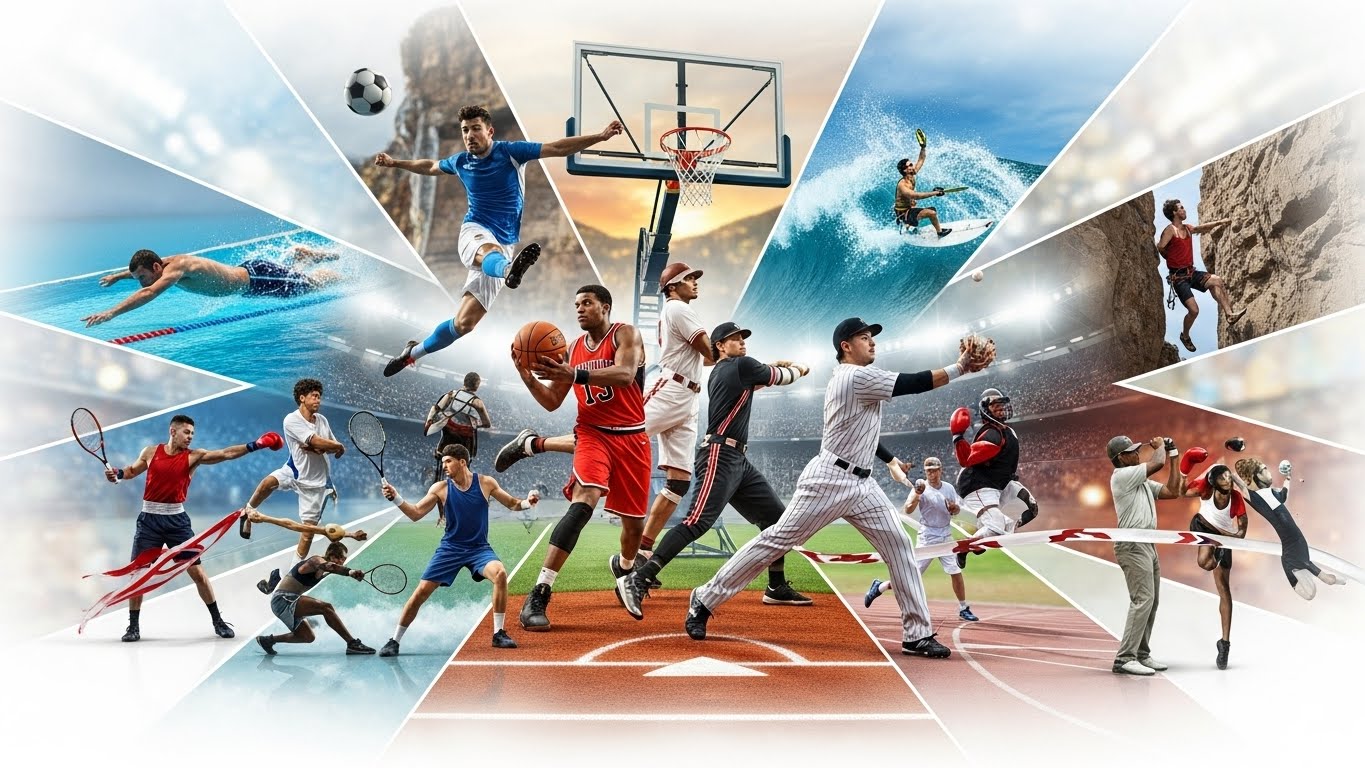
Sports have always held a unique place in human society. From ancient civilizations to the modern world, athletic competition has served as a reflection of culture, community, and individual aspiration. Whether played on a grand stadium, a local park, or a school field, sports have the power to unite people, inspire personal growth, and shape societal values. Beyond physical activity, sports teach discipline, resilience, and teamwork while providing entertainment and fostering global connections. In every corner of the world, sports are more than games—they are an expression of human passion and ambition.
The Historical Evolution of Sports
Sports have been part of human culture for thousands of years. The earliest organized competitions date back to ancient civilizations such as Greece, where the Olympic Games were held to honor gods and display physical excellence. Similarly, ancient China, Egypt, and Mesopotamia celebrated athletic events that tested strength, skill, and strategy. Over time, sports evolved alongside society, adapting to cultural norms, technology, and social structures. Today, sports range from traditional disciplines like running, wrestling, and archery to modern innovations such as football, basketball, and esports. This evolution demonstrates how sports are both a reflection and a driver of societal development.
Physical Benefits of Sports Participation
One of the most immediate impacts of sports is its effect on physical health. Regular participation improves cardiovascular health, builds muscle strength, enhances flexibility, and helps maintain a healthy weight. Sports also promote motor skills, coordination, and overall physical fitness. For children and adolescents, involvement in sports can aid in growth and development, instilling habits that contribute to long-term wellness. Additionally, engaging in physical activity through sports can reduce the risk of chronic diseases and support mental well-being, creating a foundation for a healthier life.
Mental and Emotional Benefits
While the physical advantages of sports are well-documented, the mental and emotional benefits are equally significant. Participation fosters discipline, focus, and concentration, which can extend into academic and professional performance. Sports also teach resilience, helping individuals cope with failure, setbacks, and competition. Team sports encourage communication, collaboration, and leadership skills, while individual sports build self-reliance and goal-setting abilities. Furthermore, the sense of achievement gained from mastering a skill or winning a competition boosts self-esteem and emotional confidence, contributing to overall mental health.
Sports as a Tool for Social Development
Sports play a crucial role in building social bonds and fostering community engagement. Through team participation, individuals learn cooperation, empathy, and the importance of collective effort. Local clubs, school teams, and community leagues create spaces for social interaction, mentorship, and cultural exchange. At a larger scale, international sporting events like the Olympics and World Cup promote cross-cultural understanding, celebrate diversity, and create shared global experiences. Sports have the power to break down social barriers and unite people, regardless of nationality, ethnicity, or background.
Economic and Career Opportunities in Sports
Beyond personal development, sports contribute significantly to economies worldwide. Professional athletes, coaches, referees, sports managers, and media personnel form an extensive industry that generates jobs and revenue. Sporting events stimulate tourism, infrastructure development, and media investments. Sponsorships, merchandising, and broadcasting rights create financial opportunities for teams and organizations. Moreover, sports-related careers extend beyond professional play, encompassing fields such as physiotherapy, sports psychology, analytics, and event management. The economic impact of sports underscores their importance as both a social and professional force.
Women in Sports: Breaking Barriers
Historically, women faced significant barriers in sports, but the landscape is changing rapidly. Female athletes now compete at the highest levels, inspire generations, and challenge stereotypes. Women’s sports leagues are gaining recognition, and female representation in coaching, administration, and sports media continues to rise. The success of female athletes promotes gender equality, encourages young girls to pursue athletic ambitions, and reshapes societal perceptions of strength and leadership. Progress is ongoing, but sports remain a powerful platform for empowering women and advocating for equal opportunities.
The Role of Technology in Modern Sports
Technology has transformed how sports are played, watched, and managed. Innovations in equipment, training techniques, and data analytics enhance performance, prevent injuries, and optimize strategies. Wearable devices track athletes’ health metrics, providing real-time feedback that aids in improvement. Video replay systems and advanced officiating technology ensure fairness and accuracy in competitions. Additionally, digital media and streaming platforms have revolutionized how fans experience sports, creating global audiences and interactive engagement opportunities. Technology continues to push the boundaries of athletic potential and spectator enjoyment.
Sports and Education
Sports and education have a deeply interconnected relationship. Schools and universities integrate athletic programs that foster personal growth, teamwork, and academic success. Scholarships and collegiate leagues provide pathways for talented individuals to pursue higher education while continuing competitive play. Beyond formal education, sports teach life skills such as time management, perseverance, and goal setting. The integration of sports into educational systems ensures that young people benefit from a holistic development approach, preparing them for diverse challenges both on and off the field.
The Psychological Impact of Competitive Sports
Competitive sports introduce unique psychological dynamics. Athletes face pressure to perform, navigate the stress of high-stakes competition, and maintain motivation through rigorous training. Sports psychology has emerged to help athletes manage anxiety, develop mental toughness, and maintain focus under pressure. Visualization, mindfulness, and goal-setting techniques contribute to mental preparedness and resilience. Understanding the psychological aspects of competition emphasizes that success in sports is not solely about physical ability but also about mental strength and emotional control.
Sports and Society: Beyond Entertainment
Sports have a broader societal influence that extends beyond competition and entertainment. Major events foster national pride and unity, providing collective experiences that shape cultural identity. Athletes often serve as role models, advocating for social causes and inspiring positive change. Sports can promote health campaigns, social inclusion, and community development initiatives. Moreover, sporting achievements often reflect societal values such as perseverance, fairness, and excellence. Through these avenues, sports contribute to the social fabric and influence societal norms and aspirations.
Challenges and Controversies in Sports
Despite their benefits, sports face numerous challenges. Issues such as doping, corruption, and unethical behavior threaten integrity and fairness. Financial disparities can limit access to resources, affecting participation in underserved communities. Injuries and long-term health consequences raise concerns about player welfare. Additionally, controversies over gender equality, representation, and inclusivity persist. Addressing these challenges requires governance, transparency, and collective effort from athletes, organizations, and communities to maintain trust and ensure sustainable growth in sports.
Globalization of Sports
Sports have become increasingly globalized, with leagues, tournaments, and fan bases crossing national boundaries. International competitions showcase talent from diverse regions, fostering cultural exchange and mutual appreciation. Global media coverage and social media platforms allow fans worldwide to follow athletes and teams, creating interconnected communities. This globalization also drives economic growth through merchandise sales, sponsorship deals, and broadcasting rights. The global reach of sports demonstrates their power to transcend borders and unify people under shared passion and excitement.
The Future of Sports
The future of sports is shaped by innovation, inclusivity, and sustainability. Emerging technologies, such as virtual reality and artificial intelligence, will redefine training, performance analysis, and fan engagement. Grassroots programs will continue to expand access, nurturing the next generation of athletes. Increased awareness of mental and physical health will influence training methodologies and organizational policies. The continued promotion of gender equality, diversity, and ethical practices will ensure sports remain a positive force in society. The future promises dynamic growth, new opportunities, and ongoing inspiration through sports.
Conclusion: The Enduring Power of Sports
Sports are far more than physical activity or entertainment—they are a reflection of human ambition, creativity, and resilience. They teach valuable life skills, foster social cohesion, promote health, and contribute to economic and cultural development. From local playgrounds to global stadiums, sports inspire individuals and communities, creating experiences that resonate across generations. As society evolves, sports will continue to adapt, innovate, and influence, proving that their power extends well beyond the field, shaping lives and connecting people in ways that transcend time and culture.