
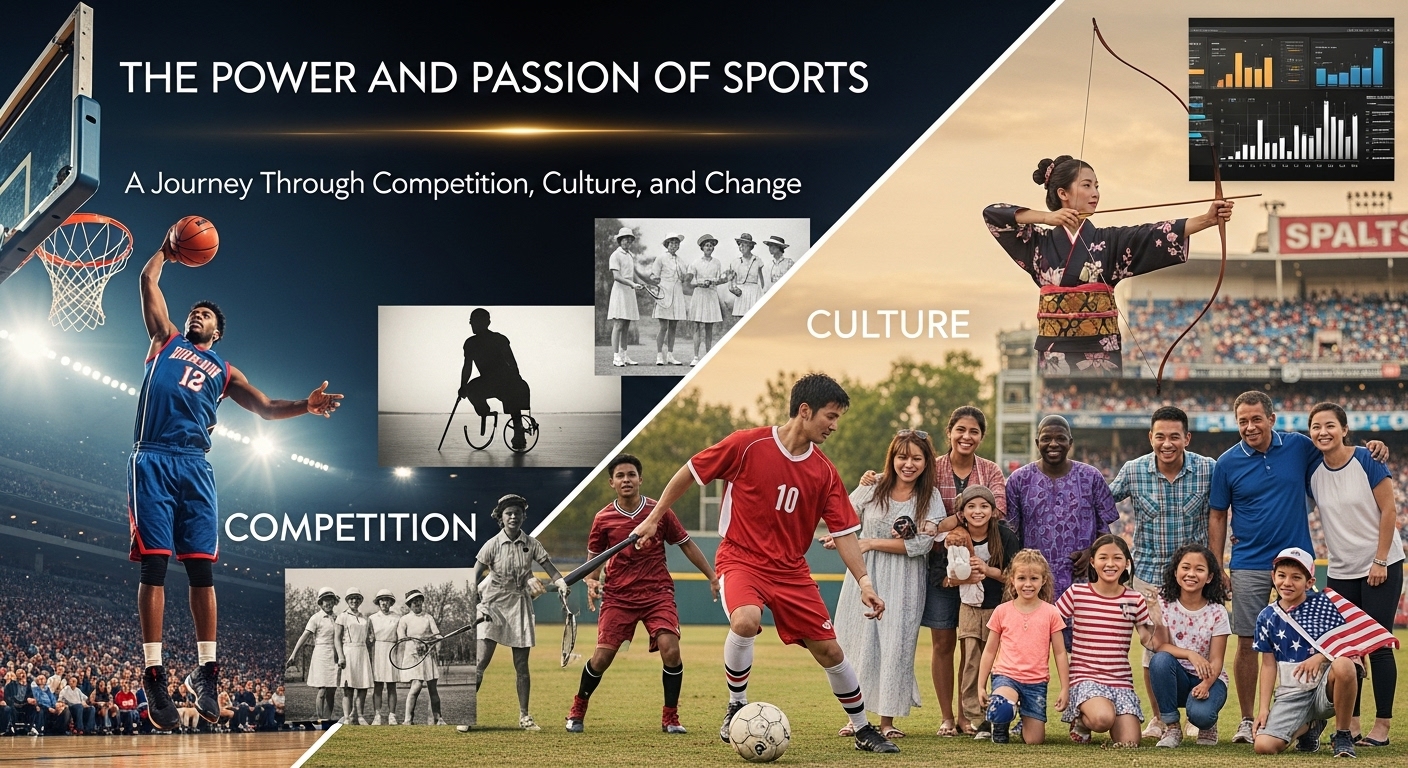
Sports have always been more than just games. They are the heartbeat of human competition, the language of unity, and the stage where dreams and discipline collide. From ancient times to the modern era, sports have shaped societies, inspired generations, and taught lessons that go far beyond the field. Whether played in small neighborhoods or grand international arenas, sports remain a universal force that brings people together, challenges limits, and celebrates excellence.
The Origins of Sports and Human Connection
Sports date back thousands of years, to a time when humans expressed strength, agility, and skill through physical contests. Ancient civilizations such as Greece, Egypt, China, and Rome celebrated sports as part of their cultural identity. The Olympic Games, first held in 776 BC in Olympia, Greece, stand as one of the earliest examples of organized competition. These events were not merely about winning but about honoring the gods, showcasing human potential, and promoting peace among rival states.
From traditional wrestling matches in ancient Mesopotamia to early ball games played by the Mayans, every civilization has left a mark on the sporting world. These events symbolized bravery, teamwork, and the importance of discipline—values that continue to resonate in today’s global sports culture.
The Transformation of Modern Sports
The industrial revolution and global modernization changed the way sports were organized and perceived. What was once a local pastime became a professional pursuit. Rules were standardized, governing bodies were established, and sports began to attract spectators on a massive scale.
By the 20th century, sports had become one of the most significant social and economic industries. The creation of major leagues, tournaments, and international competitions transformed athletes into global icons. Events like the FIFA World Cup, the Olympic Games, Wimbledon, and the Super Bowl evolved into cultural phenomena that reached billions across the world.
Modern technology amplified this impact even more. Broadcasting brought live matches into people’s homes, allowing fans to connect with teams and players regardless of borders. The rise of the internet, social media, and virtual reality has now made sports an even more interactive experience—fans can follow every move, every goal, and every moment in real time.
The Power of Teamwork and Unity
One of the most beautiful aspects of sports is their ability to unite people. In a world divided by language, politics, and culture, sports provide a common ground where everyone speaks the same emotional language of competition and respect.
A single goal in football can make millions erupt in joy, while a cricket match can bring entire nations to a standstill. The collective passion that fans share for their teams creates bonds stronger than words. Sports also teach valuable lessons about teamwork. Even in individual events like tennis or track and field, success depends on a network of coaches, trainers, and supporters working together.
The unity seen in sports often transcends the game itself. During times of crisis or tragedy, sporting events have provided hope and healing. They serve as reminders that humanity can come together in moments of shared triumph or grief.
The Role of Discipline and Determination
Behind every successful athlete lies years of dedication, hard work, and sacrifice. Sports demand discipline, both physical and mental. Training sessions that begin before sunrise, strict diets, and the constant pursuit of improvement reflect the determination that defines true champions.
Discipline in sports extends beyond the athletes. Coaches, managers, and even fans must embody respect and fairness. Rules exist not just to control the game but to maintain integrity and honor. Every practice, every match, and every loss becomes a step toward greater resilience.
Athletes like Serena Williams, Lionel Messi, Roger Federer, and Usain Bolt are living examples of how dedication transforms potential into greatness. Their achievements inspire countless young athletes worldwide to believe in themselves and strive for excellence.
The Psychological Impact of Sports
Sports are as much a mental challenge as they are a physical one. Mental strength often determines victory or defeat. Athletes face immense pressure—from fans, media, and personal expectations. The ability to remain calm under pressure, recover from failure, and stay focused on goals is what separates good athletes from great ones.
Psychology plays a vital role in modern sports training. Sports psychologists help athletes develop focus, manage stress, and build confidence. Visualization techniques, meditation, and motivational coaching have become essential tools for peak performance.
Beyond professionals, sports contribute significantly to the mental well-being of ordinary individuals. Physical activity releases endorphins, reduces anxiety, and fosters a sense of accomplishment. Whether running in the park or playing a friendly match, sports have the power to lift spirits and improve overall happiness.
Sports and Global Identity
Sports are deeply tied to national pride and identity. The sight of athletes carrying their country’s flag at international competitions ignites emotions that words cannot capture. Victories on the global stage become symbols of unity, resilience, and national progress.
Countries invest heavily in developing their sports systems not just for medals but for morale. When a nation wins, its people celebrate together. When it loses, they console and encourage one another. This emotional bond between sports and national identity plays a vital role in shaping collective confidence.
Yet, sports also serve as a bridge between nations. Diplomatic relationships have often improved through sporting exchanges. The concept of “sports diplomacy” emphasizes using games to build peace and understanding. Moments such as Nelson Mandela’s use of rugby to unite post-apartheid South Africa or the “Ping Pong Diplomacy” between the United States and China in the 1970s highlight the global influence of sports beyond competition.
The Evolution of Women in Sports
The story of women in sports is one of courage, perseverance, and empowerment. For centuries, women were denied opportunities to compete on equal grounds with men. However, as social awareness grew, so did the presence of women in sports.
Today, female athletes are breaking barriers, setting records, and redefining strength. Icons like Simone Biles, Megan Rapinoe, Naomi Osaka, and Sania Mirza have proven that gender has no limits when it comes to talent and determination. Women’s leagues and tournaments are gaining popularity, attracting large audiences and sponsorships.
The inclusion of women in major events like the Olympics and the rise of professional leagues have also inspired millions of young girls to pursue their athletic dreams. The journey toward full equality continues, but the progress made is already reshaping the global sports landscape.
The Economic Influence of Sports
Sports are not just about competition—they are a multibillion-dollar global industry. From ticket sales and broadcasting rights to merchandise and sponsorships, the business of sports has become one of the most powerful economic engines of modern society.
Cities that host major events often experience massive boosts in tourism, infrastructure development, and job creation. Athletes become brand ambassadors, and their influence extends into fashion, entertainment, and advertising. Entire economies benefit from the passion people have for their favorite teams and stars.
However, this commercial growth also brings challenges. The pressure to perform, corruption, and the overemphasis on money can sometimes overshadow the pure spirit of sports. Balancing business and integrity remains one of the greatest challenges for modern sports organizations.
The Technological Revolution in Sports
Technology has revolutionized every aspect of sports. From advanced equipment and performance-tracking wearables to instant replays and artificial intelligence, the modern sports world thrives on innovation.
Athletes now rely on data analytics to improve their performance. Sensors track heart rates, muscle movement, and speed, helping coaches fine-tune strategies. Video analysis has become an integral part of training, allowing teams to identify strengths and weaknesses more precisely.
Virtual reality training, drone filming, and smart stadiums have transformed how athletes prepare and how fans experience sports. Even refereeing has been enhanced through technology, with tools like VAR in football and Hawk-Eye in tennis ensuring fairer outcomes.
The future promises even more exciting developments, including AI-driven predictions, biometric monitoring, and immersive fan experiences. Technology, when used ethically, strengthens the bond between sports and innovation.
Youth Development and the Importance of Grassroots Sports
The foundation of every great athlete is built at the grassroots level. Youth sports programs are the breeding grounds for talent and the starting point for lifelong passion. Encouraging children to participate in sports teaches them teamwork, discipline, and resilience.
Schools and community clubs play a crucial role in identifying and nurturing young athletes. Early exposure to sports helps children develop confidence and physical fitness while steering them away from negative influences. Many professional athletes owe their success to dedicated youth coaches and community programs that believed in their potential.
Governments and organizations must continue investing in youth sports, especially in underprivileged areas. The next generation of champions may be waiting on a local playground or school field—what they need is opportunity and support.
The Challenges and Controversies in Sports
While sports inspire millions, they are not free from problems. Issues such as doping, match-fixing, corruption, and discrimination have tainted the image of sports at times. The pressure to win has led some athletes to take unethical shortcuts, undermining the spirit of fair play.
Governance bodies must uphold strict standards to protect the integrity of competition. Anti-doping agencies, transparency measures, and athlete education programs are vital in ensuring sports remain pure and trustworthy.
Mental health has also become a growing concern in the sporting world. The immense pressure, criticism, and expectations often take a toll on athletes. Conversations around mental health are now more open, encouraging athletes to seek help without fear of stigma.
The Role of Fans and the Culture of Support
Fans are the soul of sports. Their passion turns stadiums into living, breathing arenas of emotion. The chants, songs, and waves of excitement they bring give athletes the energy to perform their best.
Supporting a team becomes more than entertainment—it becomes a lifestyle. Fans create communities, traditions, and even identities based on their loyalty. The relationship between fans and athletes is built on mutual respect and admiration.
However, fan culture also comes with responsibility. Respect for players, referees, and opponents is essential to maintaining the spirit of sportsmanship. When channeled positively, fan enthusiasm strengthens the beauty of the game and enhances its global appeal.
Sports and the Future of Humanity
As the world faces challenges like climate change, social inequality, and digital isolation, sports remain a source of hope and inspiration. They teach unity, perseverance, and respect—values essential for a peaceful and progressive society.
The future of sports lies not only in performance but also in inclusivity and sustainability. Eco-friendly stadiums, equal opportunities for all genders, and digital access to global competitions will define the next era of sports.
E-sports, adaptive sports for people with disabilities, and hybrid competitions are expanding the boundaries of what sports can be. As long as humanity cherishes passion, teamwork, and excellence, sports will continue to evolve as a mirror of our collective potential.
Conclusion
Sports are not just contests of strength or skill—they are reflections of the human soul. They embody courage, dedication, and unity. Every victory tells a story of sacrifice, every defeat teaches a lesson in humility, and every moment on the field represents the boundless spirit of humanity.
From ancient arenas to digital stadiums, sports continue to inspire, unite, and empower people across the world. They remind us that even in competition, there can be respect; even in struggle, there can be beauty; and even in defeat, there can be dignity.
The world may change with time, but the passion for sports will forever remain a universal heartbeat—one that connects us all through the simple yet powerful joy of play.