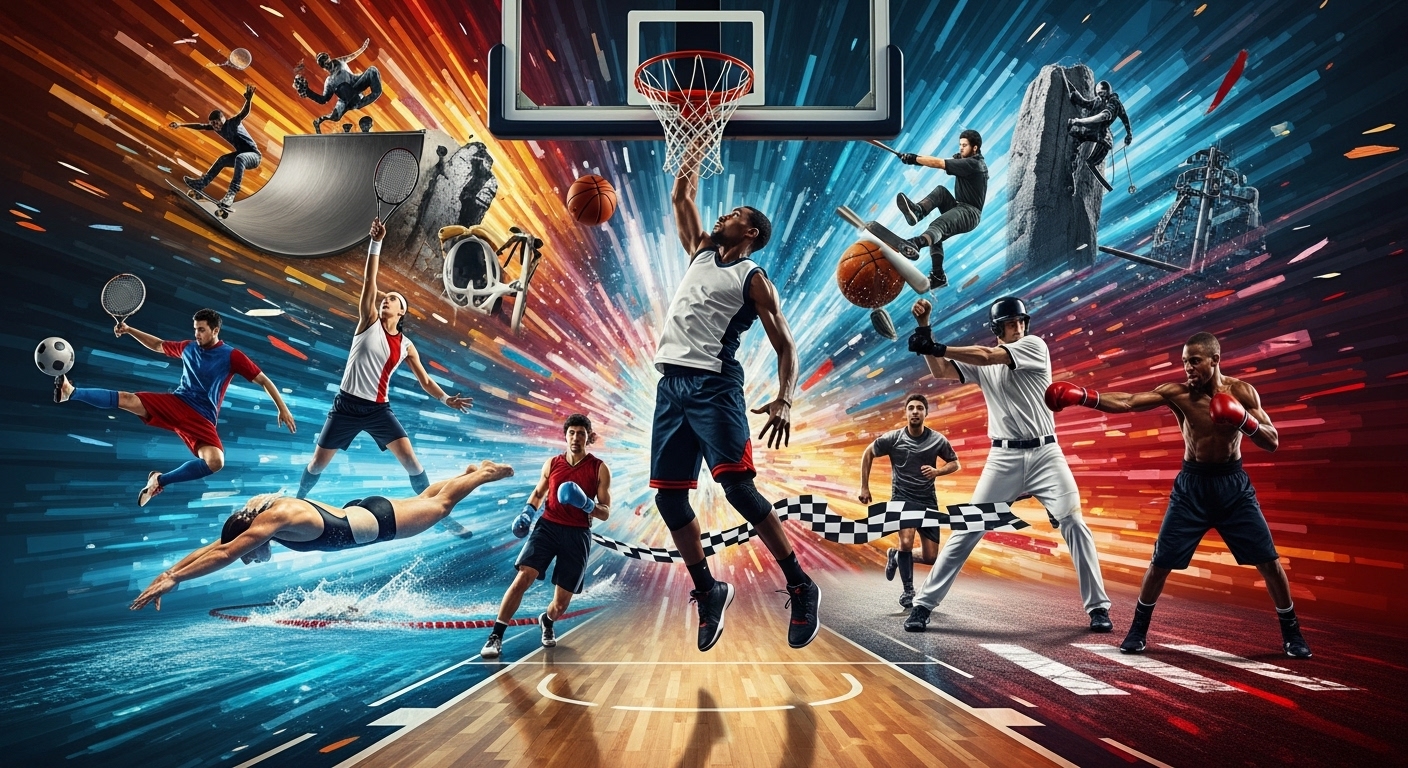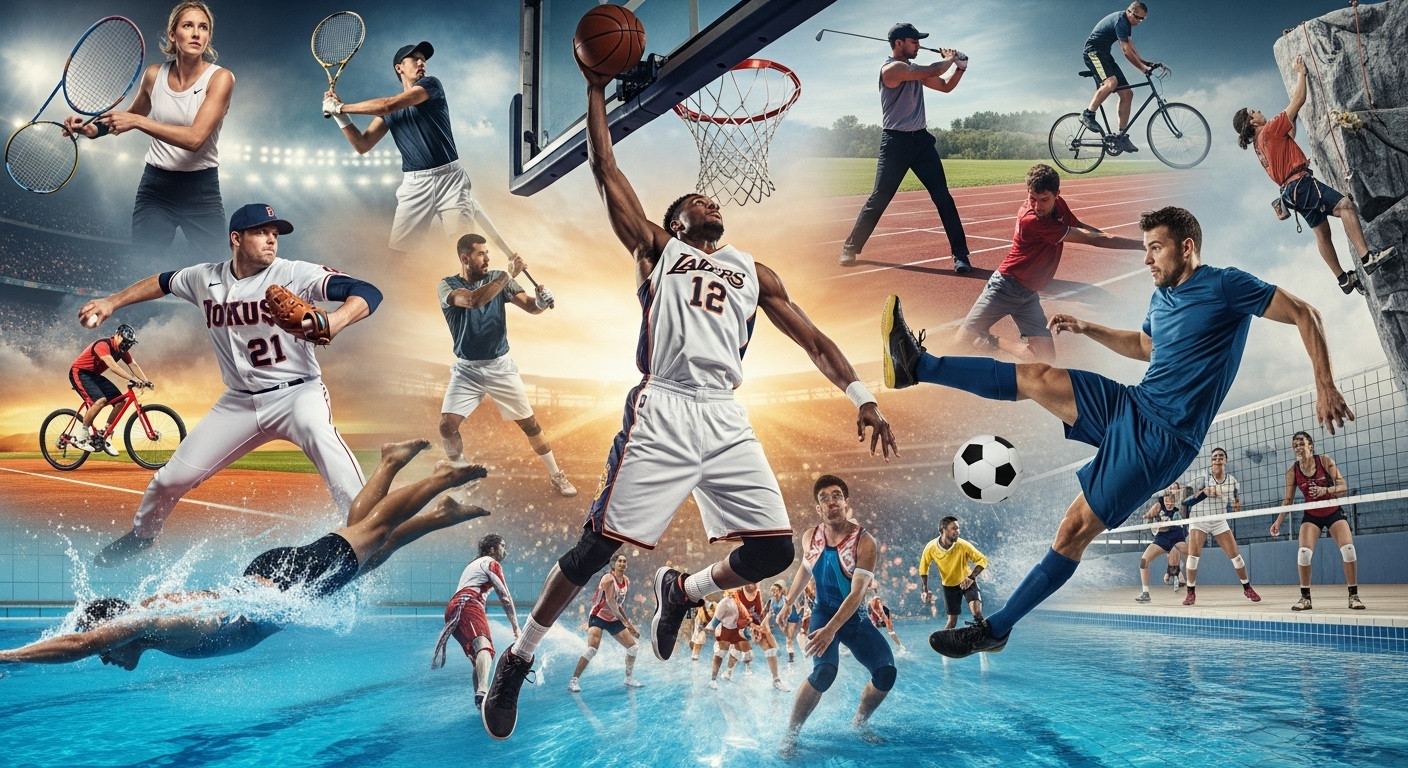

Sports have always been an integral part of human civilization. From ancient civilizations where athletics were used to showcase strength and skill, to modern-day global competitions that unite nations, sports have shaped societies and cultures in profound ways. They are not just a form of entertainment; sports instill discipline, encourage teamwork, and foster mental and physical well-being. The universality of sports lies in its ability to transcend language, culture, and social boundaries, creating a shared experience for players and fans alike.
The Evolution of Sports Through History
Sports have existed since the dawn of humanity. Ancient civilizations, such as the Greeks, Egyptians, and Romans, celebrated athleticism as an essential aspect of life. The Greeks introduced the concept of organized competitions with the first Olympic Games in 776 BC, which were held in Olympia to honor the gods. These games featured running, wrestling, boxing, and chariot races, showcasing physical prowess and competitive spirit.
In Rome, gladiatorial contests and chariot races were central to public entertainment, blending sport with spectacle. Similarly, in ancient Egypt, activities like swimming, archery, and fishing were both recreational and ceremonial. Over centuries, sports evolved to reflect societal values and technological advancements, eventually leading to the modern sports we know today.
The industrial revolution brought significant changes, as increased urbanization and leisure time allowed more people to engage in organized sports. Institutions and clubs were established, and standardized rules began to shape games consistently. This historical journey demonstrates that sports are not merely physical activities; they are deeply intertwined with culture, politics, and human expression.
Physical and Mental Benefits of Sports
One of the most celebrated aspects of sports is its ability to improve physical health. Engaging in regular sports activities strengthens the cardiovascular system, enhances muscular development, and improves flexibility and coordination. Sports such as swimming, soccer, and basketball offer full-body workouts, while running and cycling focus more on endurance and cardiovascular fitness.
However, the benefits of sports extend beyond physical health. Participation in sports nurtures mental resilience, reduces stress, and boosts overall psychological well-being. Competitive environments teach athletes to cope with failure, manage pressure, and maintain focus, while recreational sports provide a healthy outlet for stress relief. Sports also stimulate cognitive functions, including decision-making, strategic thinking, and problem-solving.
Furthermore, team sports like basketball, volleyball, and soccer emphasize communication, cooperation, and empathy. Athletes learn to work collectively toward a shared goal, fostering leadership qualities and emotional intelligence that can be applied in everyday life.
Popular Sports Around the World
The diversity of sports reflects the cultural richness of our world. Football, or soccer, is arguably the most popular sport globally. Its simplicity and minimal equipment requirements allow it to be played in urban streets, rural villages, and professional stadiums alike. Football unites nations, with events like the FIFA World Cup capturing the attention of billions and inspiring national pride.
Basketball, originating in the United States, has gained global popularity due to its fast-paced nature and dynamic gameplay. The National Basketball Association (NBA) has produced iconic athletes who have become household names, promoting basketball as a sport that combines skill, strategy, and entertainment.
Cricket holds a special place in countries like India, Australia, and England. Known for its strategic depth and tradition, cricket is more than a game; it is a cultural phenomenon that evokes intense passion among fans. Other widely celebrated sports include tennis, known for its blend of mental and physical endurance; athletics, which tests the limits of human speed and strength; and rugby, which demands teamwork and resilience.
Emerging sports like esports are also gaining recognition, highlighting the evolving nature of sports and the expanding definition of athleticism. From traditional games to modern competitive arenas, sports provide varied platforms for talent, dedication, and achievement.
The Role of Sports in Society
Sports play a critical role in shaping communities and societies. They act as a unifying force, bridging divides caused by ethnicity, religion, or socioeconomic status. Major sporting events, like the Olympics, provide opportunities for countries to showcase their culture and values while promoting global cooperation.
On a local level, community sports programs encourage participation among youth, helping to combat social issues like crime, obesity, and mental health challenges. Sports provide a constructive outlet for energy, foster social cohesion, and instill life skills that extend far beyond the playing field.
Moreover, sports can drive economic growth through infrastructure development, tourism, and employment opportunities. Professional leagues and tournaments create jobs for athletes, coaches, medical staff, media personnel, and event organizers, contributing significantly to local and national economies.
Iconic Athletes Who Shaped History
The legacy of sports is often defined by the individuals who have excelled in their fields, inspiring millions through their talent and determination. Michael Jordan, often considered the greatest basketball player of all time, transformed basketball with his exceptional skill, work ethic, and competitive spirit. His influence transcends the court, making him a global icon of sportsmanship and perseverance.
In football, legends like Pelé and Lionel Messi have mesmerized fans with their creativity, vision, and consistency. Their impact extends beyond goals and victories, inspiring aspiring athletes to pursue excellence and dream big.
In tennis, Serena Williams redefined the boundaries of female athletic achievement, breaking records and challenging societal norms while advocating for equality and empowerment. Similarly, Usain Bolt’s dominance in sprinting has made him a symbol of speed and determination, setting standards that future generations strive to emulate.
These athletes exemplify the power of sports to influence culture, inspire communities, and create narratives of human achievement that resonate far beyond the game itself.
The Science of Sports Performance
Modern sports are deeply intertwined with science, as athletes and coaches leverage research to maximize performance. Sports science encompasses physiology, biomechanics, nutrition, psychology, and data analytics, all aimed at enhancing athletic potential.
Training programs are now highly specialized, with athletes focusing on strength, agility, endurance, and recovery. Nutrition plans are carefully designed to optimize energy levels and support muscle growth, while sleep and recovery strategies minimize injury risks and improve longevity.
Technology also plays a significant role in sports. Wearable devices track movement, heart rate, and other physiological metrics, providing data that informs personalized training plans. Video analysis helps athletes refine technique, anticipate opponents’ strategies, and improve decision-making under pressure.
Psychological preparation is equally crucial. Sports psychologists assist athletes in managing stress, maintaining focus, and fostering mental resilience. This holistic approach to performance ensures that success is not solely reliant on talent but also on preparation, discipline, and scientific insight.
Sports and Cultural Identity
Sports often serve as a reflection of cultural identity. Traditional games and practices hold historical significance and connect communities to their heritage. For example, sumo wrestling in Japan preserves rituals and customs dating back centuries, while capoeira in Brazil blends martial arts with dance, embodying resistance and cultural pride.
National sports also carry symbolic meaning. Ice hockey in Canada, Gaelic football in Ireland, and cricket in India reflect not only recreational interests but also shared values, history, and social cohesion. Supporting a national team becomes a way for individuals to express patriotism and collective identity, reinforcing a sense of belonging and pride.
Sports also foster cross-cultural understanding. International tournaments expose athletes and fans to diverse customs, languages, and traditions, promoting empathy and global citizenship. In this way, sports become a bridge between nations and a platform for cultural exchange.
Challenges in the World of Sports
Despite its benefits, the world of sports faces significant challenges. Issues like doping, corruption, and match-fixing undermine fairness and integrity. Athletes are often under immense pressure to perform, which can lead to mental health struggles and burnout. Financial inequalities also create barriers, limiting access to resources and opportunities for talented individuals from disadvantaged backgrounds.
Gender disparities remain a major concern, with female athletes frequently receiving lower pay, less media coverage, and fewer sponsorship opportunities compared to their male counterparts. Initiatives promoting inclusivity, diversity, and equality are gradually addressing these issues, but progress remains uneven.
Environmental sustainability is another emerging concern. Large sporting events consume significant resources and generate waste, prompting the need for eco-friendly practices and responsible planning. Addressing these challenges requires collaboration among athletes, organizations, policymakers, and fans to ensure that sports continue to thrive responsibly and ethically.
The Future of Sports
The future of sports is poised for exciting transformations. Technological advancements, including virtual reality, artificial intelligence, and data analytics, are reshaping how sports are played, watched, and analyzed. Fans can now experience immersive viewing experiences, while athletes receive unprecedented insights into performance optimization.
Emerging sports and formats, such as esports and extreme sports, are attracting new audiences and redefining athletic competition. The focus on inclusivity and accessibility is creating opportunities for individuals of all abilities to participate and excel.
Additionally, sports are increasingly recognized as a tool for social change. Initiatives promoting education, health, and gender equality leverage the universal appeal of sports to address societal challenges and inspire positive impact. The intersection of sports, technology, and social responsibility signals a dynamic and promising future, where the influence of sports extends beyond the field and into every aspect of human life.
Conclusion
Sports are far more than games; they are a reflection of human ambition, resilience, and creativity. From ancient competitions to modern global events, sports have evolved to become a powerful force shaping individuals, communities, and cultures. They offer physical fitness, mental strength, and social cohesion while providing a platform for inspiration, identity, and progress.
Through the dedication of athletes, the passion of fans, and the support of institutions, sports continue to thrive as a universal language that transcends boundaries. As we look to the future, the potential of sports to entertain, unite, and inspire remains boundless, reminding us that the essence of sports is not merely in victory but in the journey, effort, and shared experience it creates for humanity.