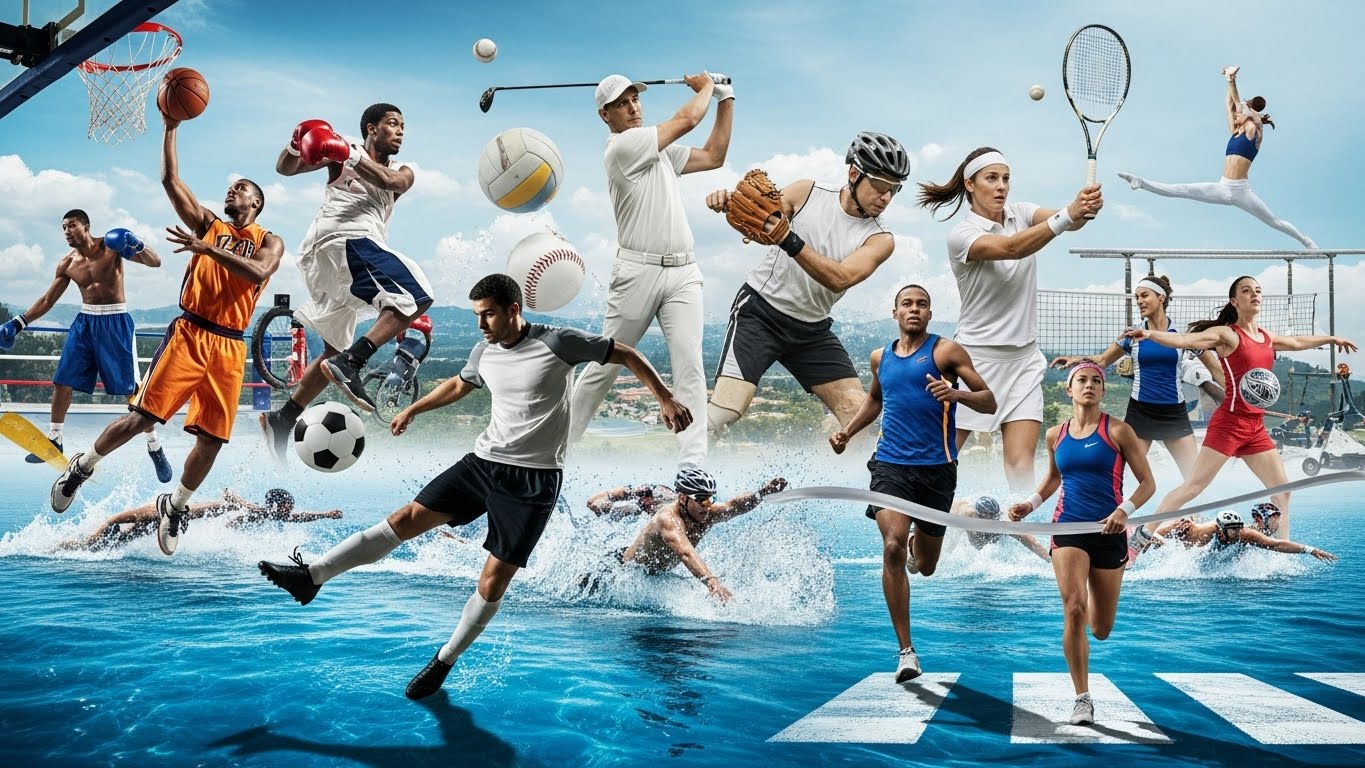

Sports have evolved from simple rituals and competitive games in ancient civilizations to the modern, multi-billion-dollar global industry we see today. With a rich history that spans thousands of years, sports have transformed into a reflection of culture, society, and human achievement. In this blog post, we will explore how sports have changed, their significance in today’s world, and the trends shaping their future.
The Origins of Sports: Ancient Beginnings
Sports have been an essential part of human history, dating back to the earliest civilizations. In ancient times, many sports were intertwined with religious or cultural rituals. The Greeks, for instance, gave the world the first organized sporting events with the inception of the ancient Olympic Games in 776 BCE. These games, which were held in honor of the Greek gods, included athletic competitions like running, wrestling, and chariot racing.
In other parts of the world, ancient cultures had their own forms of sporting events. The Egyptians engaged in games like wrestling and archery, while the Chinese developed martial arts and the Mesoamerican cultures, such as the Maya, played the ritualistic ball game known as “pok-a-tok.” These early sports were not just for entertainment; they played a role in social structure, community cohesion, and religious practices.
Sports in the Middle Ages: A Time of Transition
The Middle Ages saw a decline in the formal organization of sports, but physical competitions still held cultural value. Medieval sports were often more informal, and the games of the time were heavily influenced by warfare and survival. Jousting, archery contests, and early forms of football and rugby were common in Europe. These contests often had roots in military training and were used to prepare young men for battle.
The concept of chivalry also influenced these sports, as they were seen as a way to demonstrate honor, skill, and bravery. Though these games were often brutal, they played a crucial role in developing athleticism and fostering a sense of community in feudal societies.
The Rise of Modern Sports: The Birth of Organized Competitions
The 19th century marked the beginning of modern sports as we know them today. With the industrial revolution bringing about advancements in technology, transportation, and communication, sports began to be formalized and standardized. The foundation of modern sports was laid with the creation of clubs, leagues, and governing bodies.
The formation of the first football clubs in England, such as the establishment of the Football Association in 1863, set the stage for global football (soccer) dominance. Other popular sports like rugby, cricket, and tennis also became organized during this time. The spread of sports across Europe and the rest of the world was facilitated by colonial expansion and international travel, further accelerating the globalization of sports.
The Commercialization and Globalization of Sports
The 20th century saw the explosion of sports as a major commercial enterprise. As media technologies like radio, television, and later the internet became widespread, the global audience for sports grew exponentially. Iconic athletes like Muhammad Ali, Michael Jordan, and Pelé became household names, and their careers exemplified the immense cultural and financial power that sports had acquired.
With major sponsorship deals, advertising, and the rise of sports marketing, teams and athletes turned into global brands. The increasing amount of money involved in sports transformed them from mere competitions into a huge part of the global economy. Events like the FIFA World Cup, the Olympics, and the Super Bowl have become international spectacles that attract millions of viewers and billions of dollars in revenue.
The Role of Technology in Modern Sports
One of the most significant developments in modern sports has been the integration of technology. From video assistant referees (VAR) in football to advanced training tools for athletes, technology has revolutionized how sports are played, watched, and analyzed. Wearable devices, such as fitness trackers and smart apparel, have enhanced performance monitoring and injury prevention, while data analytics have become integral in strategies for both teams and individual athletes.
Virtual reality (VR) and augmented reality (AR) are also making their way into sports, offering new ways to experience live events. Fans can now engage with their favorite teams and players through digital platforms, enhancing their connection to the game and creating immersive experiences.
The Impact of Sports on Society and Culture
Sports have a unique ability to bring people together, transcending borders, languages, and cultural differences. They have the power to unite communities, provide a sense of national pride, and offer an escape from the complexities of daily life. The influence of sports goes beyond just entertainment; they shape social movements and impact issues such as race, gender equality, and political activism.
Athletes like Jackie Robinson, who broke the color barrier in Major League Baseball, and Billie Jean King, who fought for women’s rights in sports, have shown how sports can be a platform for change. The growing focus on diversity and inclusion within sporting organizations reflects the evolving role of sports in shaping a more equitable society.
The Future of Sports: Trends and Innovations
Looking ahead, sports are likely to continue evolving at a rapid pace. New technologies, such as artificial intelligence (AI) and machine learning, will further shape the way athletes train and perform. Esports, which has already gained significant popularity worldwide, will continue to grow, with gaming becoming a serious competitor to traditional sports in terms of viewership and sponsorship.
Sustainability will also become an increasingly important factor in the future of sports. With the growing emphasis on environmental awareness, sports organizations and teams are adopting greener practices, from reducing carbon footprints to promoting eco-friendly stadiums and events.
Finally, the fan experience will be redefined with advancements in digital media and personalized content. Social media platforms will continue to bridge the gap between athletes and fans, while virtual events may become more common, offering new ways to engage in sports from the comfort of home.
Conclusion: A Universal Language
From humble beginnings to global spectacles, sports have continuously evolved to become more than just games—they have become a universal language that connects people from all walks of life. As technology and commercialization continue to shape the future, sports will undoubtedly keep playing a crucial role in society. They will inspire future generations, promote global unity, and challenge the boundaries of human performance.
In the end, the true beauty of sports lies not in the victories or defeats but in their ability to unite people and celebrate the human spirit.