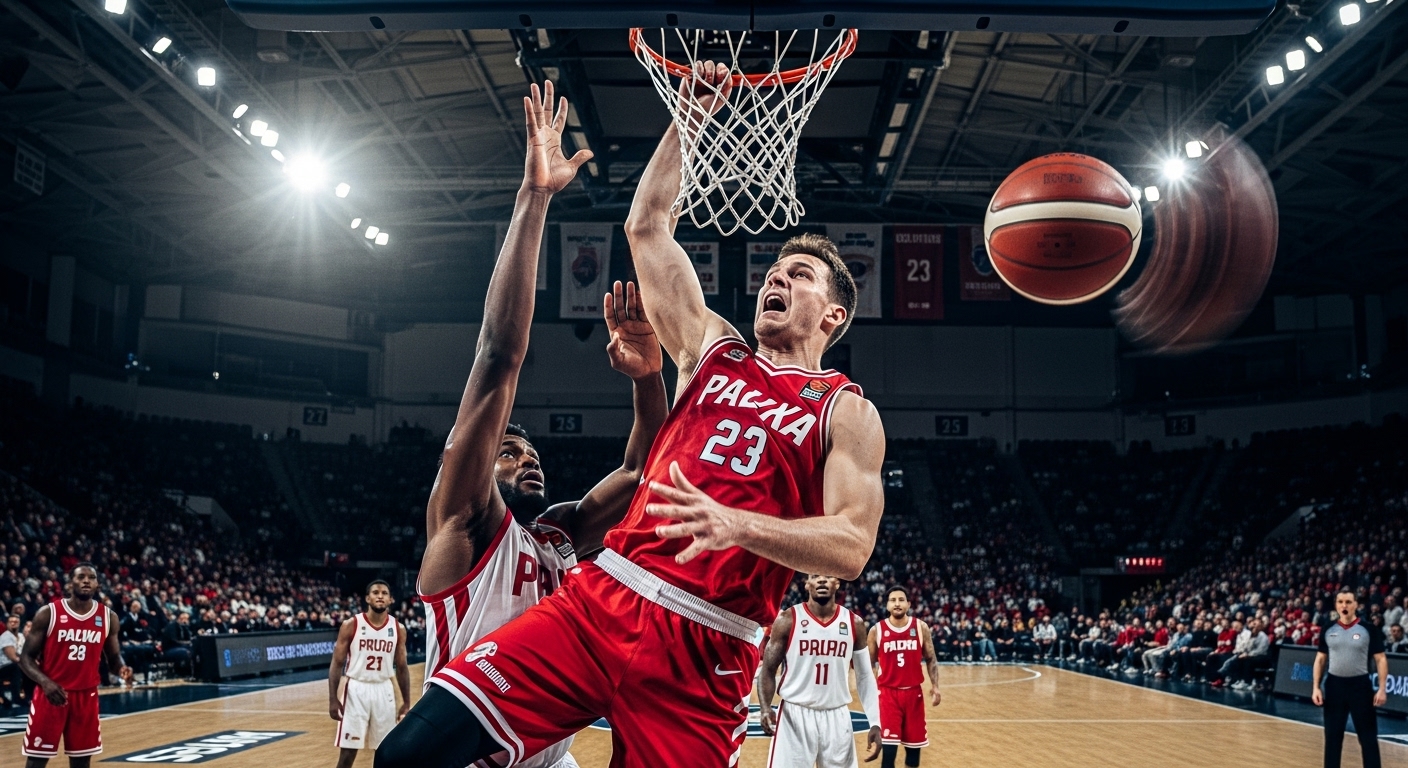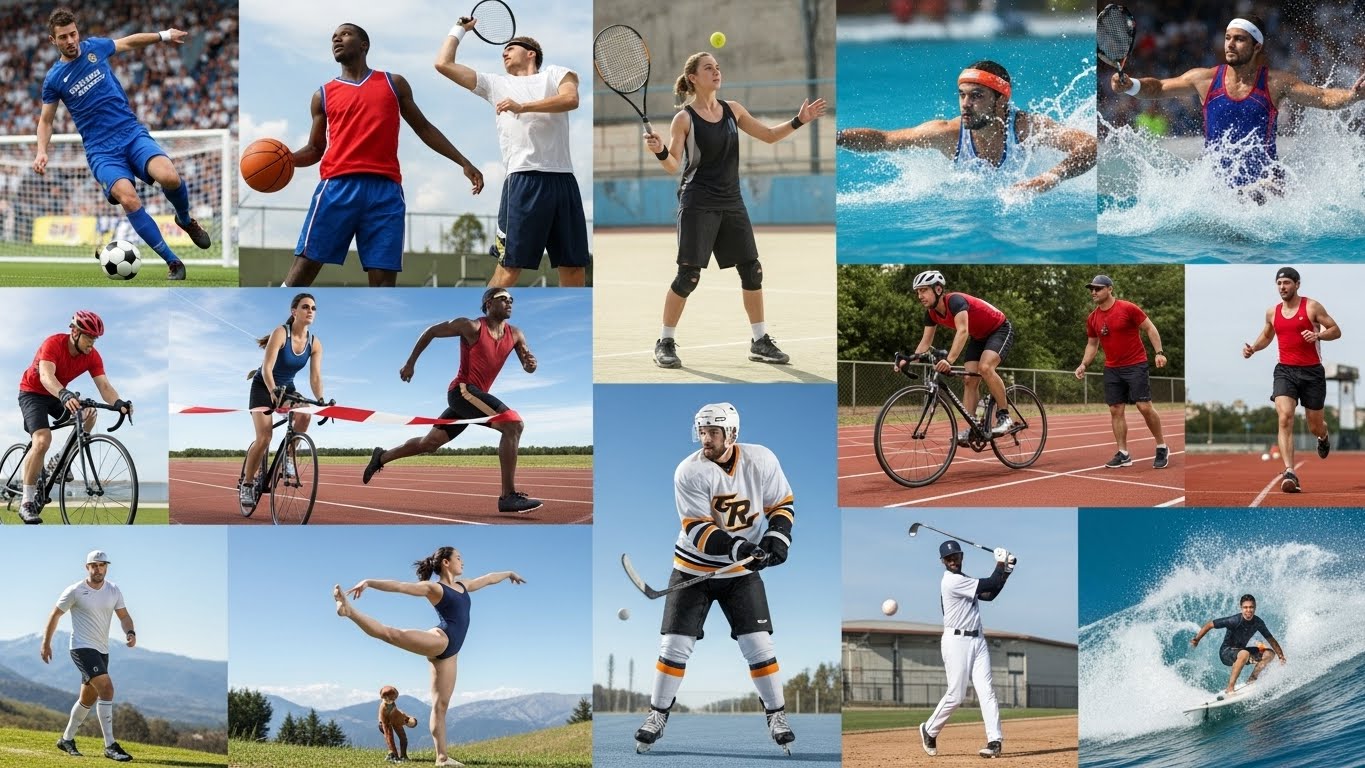
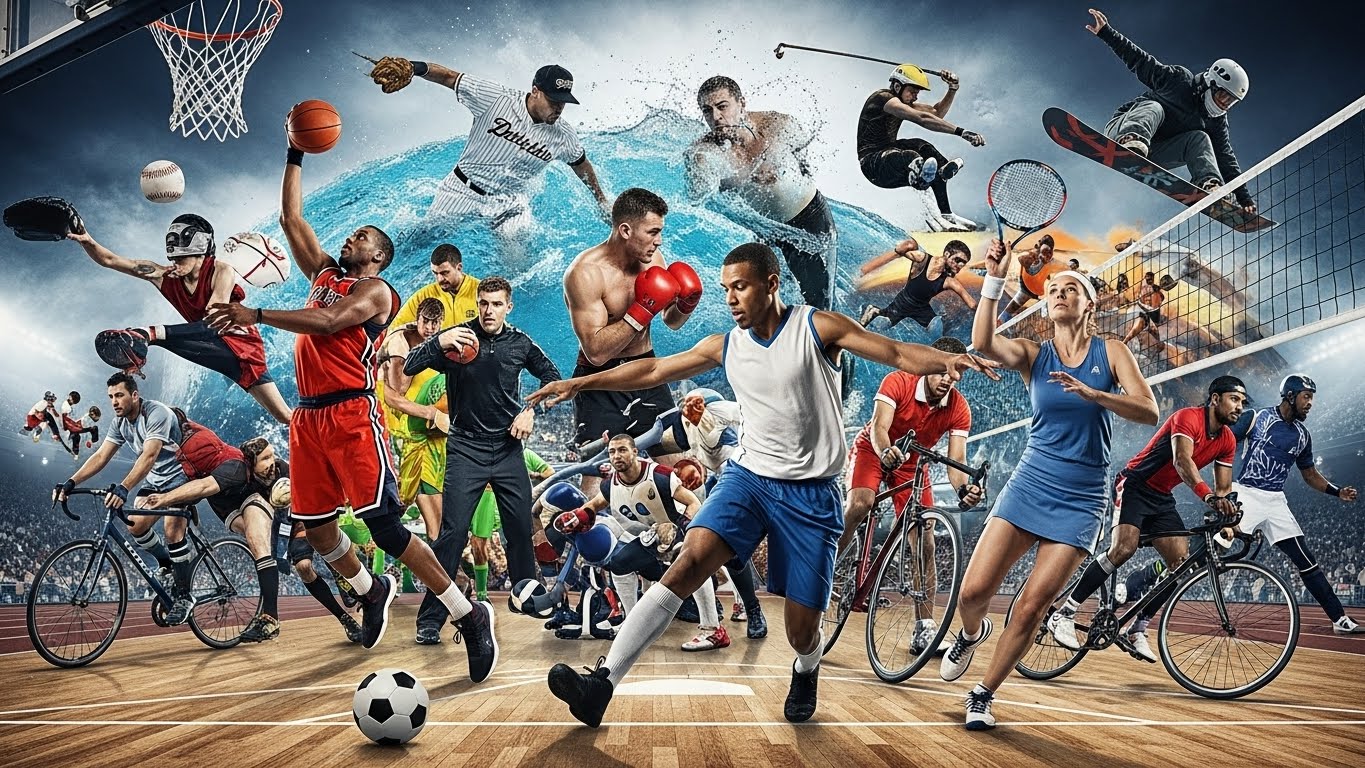
Sports have always been more than just games played on fields or courts. They are a reflection of culture, a test of human endurance, and a unifying force that transcends boundaries. From the roar of a stadium to the quiet dedication of early morning training sessions, sports have a profound impact on individuals and communities alike. This blog explores the multifaceted role of sports in society, their influence on personal growth, and the ways they bring people together.
The Evolution of Sports: From Ancient Times to Modern Day
Sports have a rich history dating back thousands of years. Ancient civilizations engaged in physical competitions for recreation, training, and religious ceremonies. The Greeks, for instance, formalized athletics through the Olympic Games, emphasizing physical excellence and fair competition. Similarly, other cultures developed unique sports reflective of their societal values and environments.
Over the centuries, sports have evolved tremendously. Modern sports are more organized, professionalized, and global. Innovations in training, technology, and media coverage have transformed sports into a central part of entertainment and culture. Despite these changes, the core essence of sports—the challenge of competition and the pursuit of personal and collective achievement—remains unchanged.
Physical Benefits of Engaging in Sports
One of the most obvious advantages of sports is physical health. Regular participation in sports improves cardiovascular health, strengthens muscles, enhances flexibility, and helps maintain a healthy weight. Unlike passive forms of exercise, sports often combine physical exertion with skill development and strategic thinking, making them an engaging way to stay fit.
Sports also reduce the risk of chronic illnesses such as diabetes, hypertension, and obesity. Activities like swimming, football, basketball, and running promote endurance and stamina. Even for older adults, consistent physical activity through sports can slow down age-related decline and improve overall quality of life.
Mental and Emotional Advantages
The benefits of sports extend far beyond the physical. Engaging in sports has been shown to improve mental health by reducing stress, anxiety, and depression. Physical activity triggers the release of endorphins, chemicals in the brain that create a sense of well-being and happiness. Team sports, in particular, provide social interaction, fostering a sense of belonging and purpose.
Sports also teach essential life skills such as discipline, patience, resilience, and time management. Athletes learn to set goals, cope with failure, and celebrate success with humility. These mental and emotional advantages often translate into better performance in personal and professional life, making sports a holistic tool for personal development.
Sports as a Tool for Social Change
Beyond individual benefits, sports play a significant role in promoting social change and community development. In many parts of the world, sports serve as a platform for addressing social issues, encouraging inclusivity, and promoting equality. Initiatives that introduce sports to underprivileged youth not only improve physical health but also provide mentorship and educational opportunities.
Sports can also bridge cultural, racial, and economic divides. International events like the Olympics or the FIFA World Cup bring together people from diverse backgrounds, fostering global unity and understanding. On a smaller scale, community sports programs help neighborhoods connect, build trust, and strengthen social bonds.
The Role of Sports in Education
Sports are an integral part of the educational system. Schools and colleges around the world encourage students to participate in athletics, recognizing that physical activity enhances academic performance. Studies show that students involved in sports often demonstrate better concentration, memory, and problem-solving abilities.
Moreover, sports instill teamwork, leadership, and communication skills in students. Team captains, for example, learn to motivate peers, make strategic decisions, and handle responsibility. These experiences prepare young people for challenges in both personal and professional settings.
Professional Sports: A Career and a Passion
For many, sports are not just a hobby but a professional pursuit. Professional athletes dedicate years to mastering their craft, often starting from childhood. The journey to professional sports requires discipline, sacrifice, and relentless effort. While fame and financial rewards are appealing, the deeper motivation for most athletes is passion, personal growth, and the love of competition.
The world of professional sports also extends beyond athletes. Coaches, referees, sports analysts, and medical staff all contribute to the ecosystem, creating careers that revolve around athletic performance and entertainment. Professional sports influence economies, culture, and global entertainment trends, showcasing the immense impact of sports on society.
Technology and Innovation in Sports
Technology has transformed the way sports are played, watched, and analyzed. Advanced training equipment, wearable fitness trackers, and video analysis tools help athletes optimize performance and prevent injuries. Virtual reality and augmented reality are now being integrated into training programs, providing immersive experiences that enhance skills and strategic thinking.
Sports analytics has revolutionized decision-making in professional leagues. Coaches and managers now rely on data to evaluate player performance, develop strategies, and predict outcomes. Fans also benefit from technology, enjoying enhanced viewing experiences, real-time statistics, and interactive platforms that bring them closer to the action.
Sports and Entertainment: Beyond the Field
Sports have become a major source of entertainment worldwide. Spectatorship extends beyond stadiums to television, streaming platforms, and social media, creating a multi-billion-dollar industry. Fans are not just passive viewers; they actively engage through discussions, fantasy leagues, and fan clubs, creating vibrant communities around sports.
The entertainment aspect of sports also highlights the power of narratives. Every match has a story, every athlete has a journey, and every team has a legacy. These stories captivate audiences, evoke emotions, and create memorable moments that transcend the game itself.
The Future of Sports: Sustainability and Inclusivity
As sports continue to evolve, sustainability and inclusivity are becoming central themes. Environmental concerns are pushing organizations to adopt eco-friendly practices in stadiums, events, and travel. Efforts to make sports more inclusive are gaining momentum, with initiatives to support women’s sports, para-athletes, and marginalized communities.
The integration of technology, coupled with a focus on health, equality, and entertainment, is likely to redefine the sports landscape. Future generations will experience sports not only as a competition but also as a platform for personal development, social change, and global unity.
Conclusion: Sports as a Lifelong Journey
Sports are more than physical contests; they are a reflection of human spirit, creativity, and resilience. They improve health, enhance mental well-being, foster community bonds, and drive social progress. Whether played professionally or for recreation, sports have the power to shape lives, instill values, and bring people together.
Engaging with sports teaches us lessons that extend far beyond the field—lessons of perseverance, teamwork, discipline, and compassion. In a rapidly changing world, the timeless appeal of sports reminds us that, at its core, life itself is a game of challenges, growth, and shared experiences. Embracing sports in any form ensures not only physical vitality but also personal fulfillment and a deeper connection to the world around us.