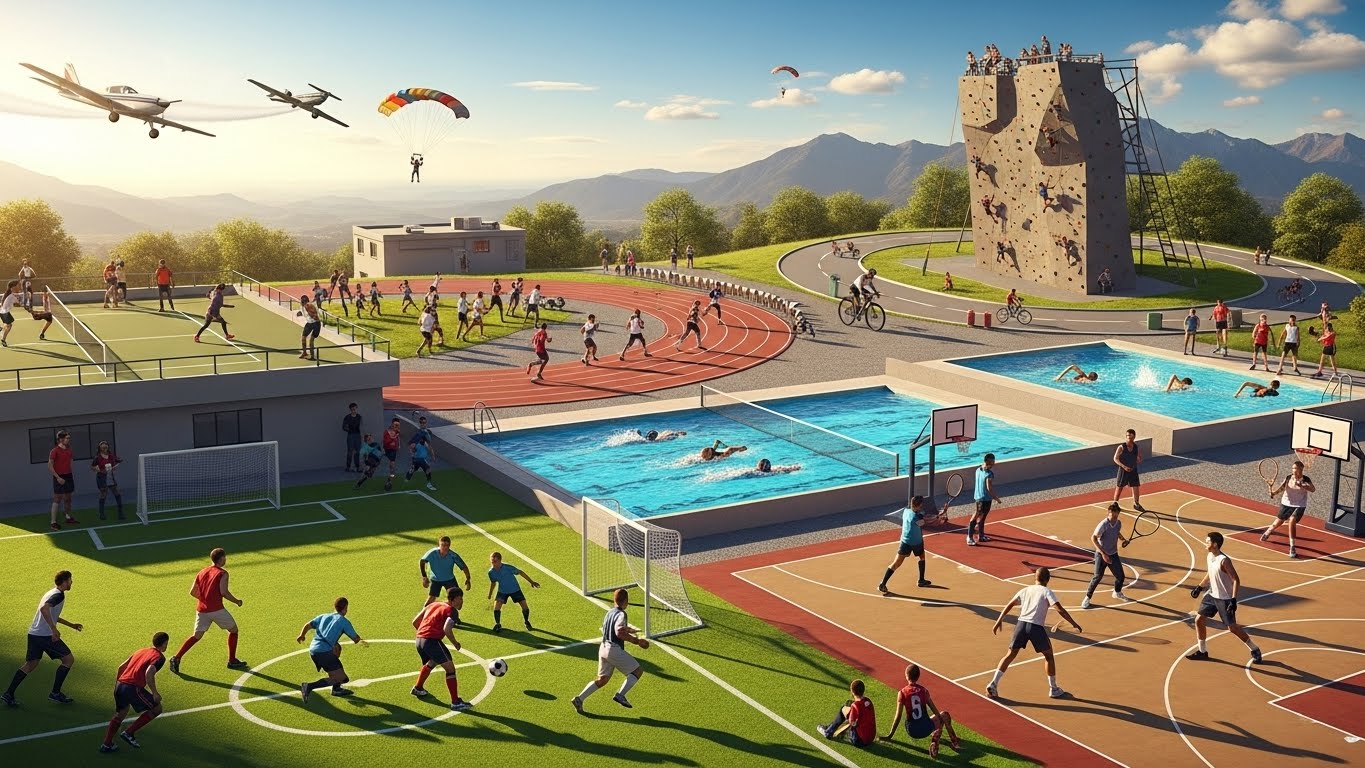

Sports have always been an integral part of human culture. Whether it’s the ancient Olympic Games, traditional tribal rituals, or the modern-day global spectacles we see today, sports have transcended time, geography, and society. They hold a unique place in human history, serving not only as entertainment but also as a catalyst for unity, personal growth, and economic development. From small local competitions to multi-billion dollar industries, the evolution of sports has been remarkable. This blog post explores the journey of sports from their humble beginnings to their current status as a global phenomenon.
The Origins of Sports: A Historical Overview
The history of sports stretches back thousands of years, with the earliest evidence of organized sports found in ancient civilizations. In ancient Egypt, for example, games like wrestling and swimming were practiced as part of physical training for warriors. The Greeks are often credited with formalizing sports as we know them today, especially with the creation of the ancient Olympic Games in 776 BCE. These games were not just athletic competitions; they were religious festivals that brought together athletes from different city-states to compete in various events such as running, boxing, and chariot racing.
Sports in ancient Rome were similarly deeply ingrained in the culture. Gladiatorial combat, races, and wrestling were popular forms of entertainment, often staged in grand arenas like the Colosseum. These public spectacles not only entertained the masses but were also used by emperors to demonstrate their power and control.
The Middle Ages saw a decline in organized sports, largely due to the influence of the Church, which frowned upon activities that could distract people from their religious duties. However, various forms of folk games continued to be played, including early versions of football and rugby in England. It wasn’t until the Renaissance period that sports began to regain their importance, with the establishment of schools and universities that emphasized physical education.
The Rise of Modern Sports: From Regional to Global
The industrial revolution in the 19th century brought significant changes to society, including the way people viewed recreation and leisure. As urbanization grew, people had more free time, and there was a greater emphasis on physical fitness. This period also saw the development of standardized rules for many sports, allowing them to be practiced more widely. The first modern Olympic Games were held in 1896 in Athens, marking the beginning of a new era for international sporting competition.
The 19th and early 20th centuries also saw the codification of sports like football (soccer), basketball, baseball, and tennis. These sports began to spread across the globe, with international leagues and tournaments emerging. Football, in particular, became a global sport, with the formation of FIFA (Fédération Internationale de Football Association) in 1904 and the first FIFA World Cup in 1930. Today, football is the world’s most popular sport, with billions of fans from all corners of the globe.
Similarly, basketball, which was invented in 1891 by Dr. James Naismith, grew rapidly in the United States and became a global sport, with professional leagues established in countries worldwide. Baseball, initially popularized in the United States, became a major sport in Japan, South Korea, and Latin America. Tennis, too, grew into a major international sport, with prestigious tournaments like Wimbledon becoming iconic events.
The 20th century was also a time of great technological innovation, which played a key role in the evolution of sports. Television broadcasts brought sporting events into millions of homes around the world, allowing fans to watch their favorite teams and athletes compete in real-time. The introduction of color television and cable networks in the 1960s and 1970s further expanded the global reach of sports, making them more accessible to people everywhere.
The Globalization of Sports: The Role of Media and Technology
As sports became more popular, the role of media and technology became increasingly important in their growth. In the mid-20th century, radio broadcasts allowed fans to follow their favorite teams and athletes from the comfort of their homes. However, it was the advent of television that truly revolutionized sports. Major events like the Super Bowl, the FIFA World Cup, and the Olympic Games began to be broadcast live, attracting millions of viewers around the world.
The influence of television on sports cannot be overstated. It was during the 1960s and 1970s that sports began to shift from local or regional events to global spectacles. With the ability to reach international audiences, sports became a way for people from different countries and cultures to connect and share in the excitement. The rise of professional leagues, such as the National Football League (NFL), Major League Baseball (MLB), and National Basketball Association (NBA), coincided with the growth of television, which helped to popularize these leagues worldwide.
The arrival of digital media and the internet in the late 20th and early 21st centuries further accelerated the globalization of sports. With the rise of online streaming platforms, fans can now watch games and events live on their smartphones, tablets, and computers. Social media has also played a pivotal role in the growth of sports, providing a platform for athletes, teams, and fans to connect in real-time. The ability to share highlights, news, and opinions instantly has made sports more interactive and engaging than ever before.
One of the most significant developments in recent years has been the rise of esports. While traditional sports have been around for centuries, esports is a relatively new phenomenon that has grown rapidly with the rise of video gaming. Esports has turned into a multi-billion dollar industry, with tournaments, sponsorships, and streaming platforms like Twitch attracting millions of viewers. Games like League of Legends, Dota 2, and Fortnite have developed dedicated fan bases, and professional esports players now earn millions of dollars in prize money and endorsements.
The Social Impact of Sports: Building Communities and Inspiring Change
Beyond their entertainment value, sports have had a profound social impact. They have the power to bring communities together, inspire social change, and foster unity among people of different backgrounds. Local sporting events, whether it’s a community soccer game or a charity marathon, help to build social cohesion and a sense of belonging. These events bring together people of all ages, backgrounds, and skill levels to celebrate physical activity and teamwork.
Sports also play a vital role in addressing social issues. Athletes have historically used their platform to speak out against injustice and promote equality. Figures like Jackie Robinson, who broke the color barrier in Major League Baseball, and Muhammad Ali, who protested the Vietnam War, used their positions to advocate for civil rights and social change. In recent years, athletes have continued to speak out on issues like racial inequality, gender discrimination, and LGBTQ+ rights, proving that sports can be a powerful tool for activism.
In many cases, sports have been used as a means of reconciliation and peacebuilding. In countries torn by conflict, sports have provided a common ground for people to come together and bridge divisions. For example, after the end of apartheid in South Africa, Nelson Mandela used the 1995 Rugby World Cup as a symbol of national unity. The event, which saw South Africa win the tournament on home soil, helped to heal a divided nation and bring together people from different racial backgrounds.
The Economic Impact of Sports: A Multi-Billion Dollar Industry
Sports are no longer just a form of entertainment; they are big business. The economic impact of sports is vast, touching everything from local economies to global industries. In 2021, the global sports market was valued at over $500 billion, and that number continues to rise each year. Major sports leagues, such as the NFL, NBA, and English Premier League, generate billions of dollars in revenue through ticket sales, broadcasting rights, sponsorships, and merchandise.
The sports industry has also created millions of jobs worldwide, from professional athletes and coaches to event organizers and broadcasters. Local economies benefit from sports tourism, as fans travel to attend games, tournaments, and events. Cities that host major sporting events, such as the Olympic Games or the World Cup, often experience significant economic boosts due to the influx of visitors and the associated spending on hotels, restaurants, and entertainment.
Sponsorships are another key driver of the sports economy. Global brands like Nike, Coca-Cola, and Adidas invest heavily in sports, partnering with teams and athletes to promote their products and services. In return, these companies receive exposure to millions of consumers worldwide. Sports sponsorships have become a multi-billion dollar industry in their own right, with major brands eager to associate themselves with the prestige and popularity of sports.
The Future of Sports: Innovation and Evolution
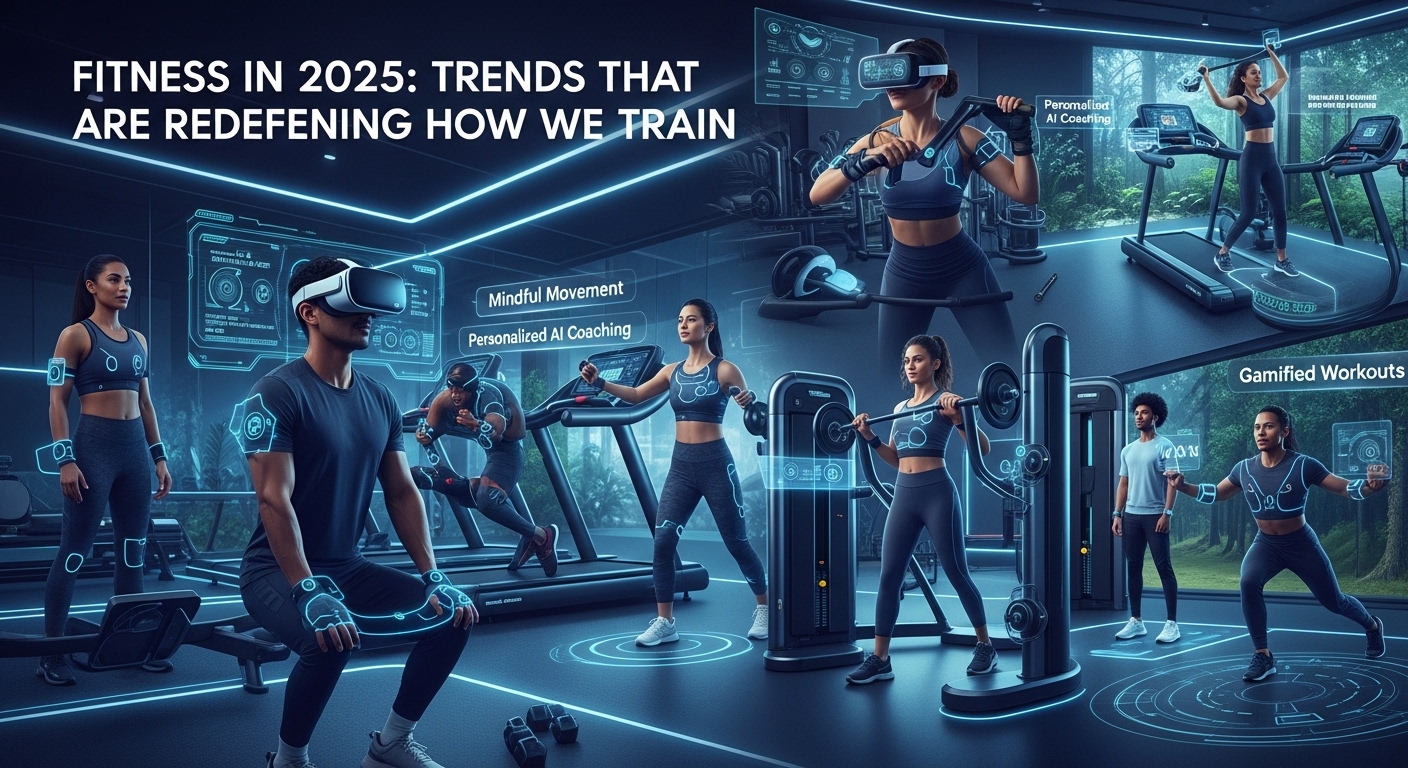
As we look to the future, the world of sports is poised for continued growth and transformation. Technology will play an even greater role in shaping how we watch, participate in, and experience sports. Virtual and augmented reality could create immersive experiences for fans, while data analytics and artificial intelligence are already transforming training and performance analysis for athletes. Esports will continue to grow, attracting new generations of fans and participants.
The global nature of sports will only increase, as emerging markets like China, India, and Africa continue to invest in sports infrastructure and develop their own professional leagues. In these regions, sports have the potential to drive social change, boost economies, and promote unity.
Furthermore, issues like sustainability and inclusivity will shape the future of sports. As the world becomes more conscious of its environmental impact, sports organizations are exploring ways to reduce their carbon footprint and create more sustainable events. At the same time, the push for greater diversity and inclusivity in sports will continue, with more opportunities for women, people of color, and LGBTQ+ athletes.