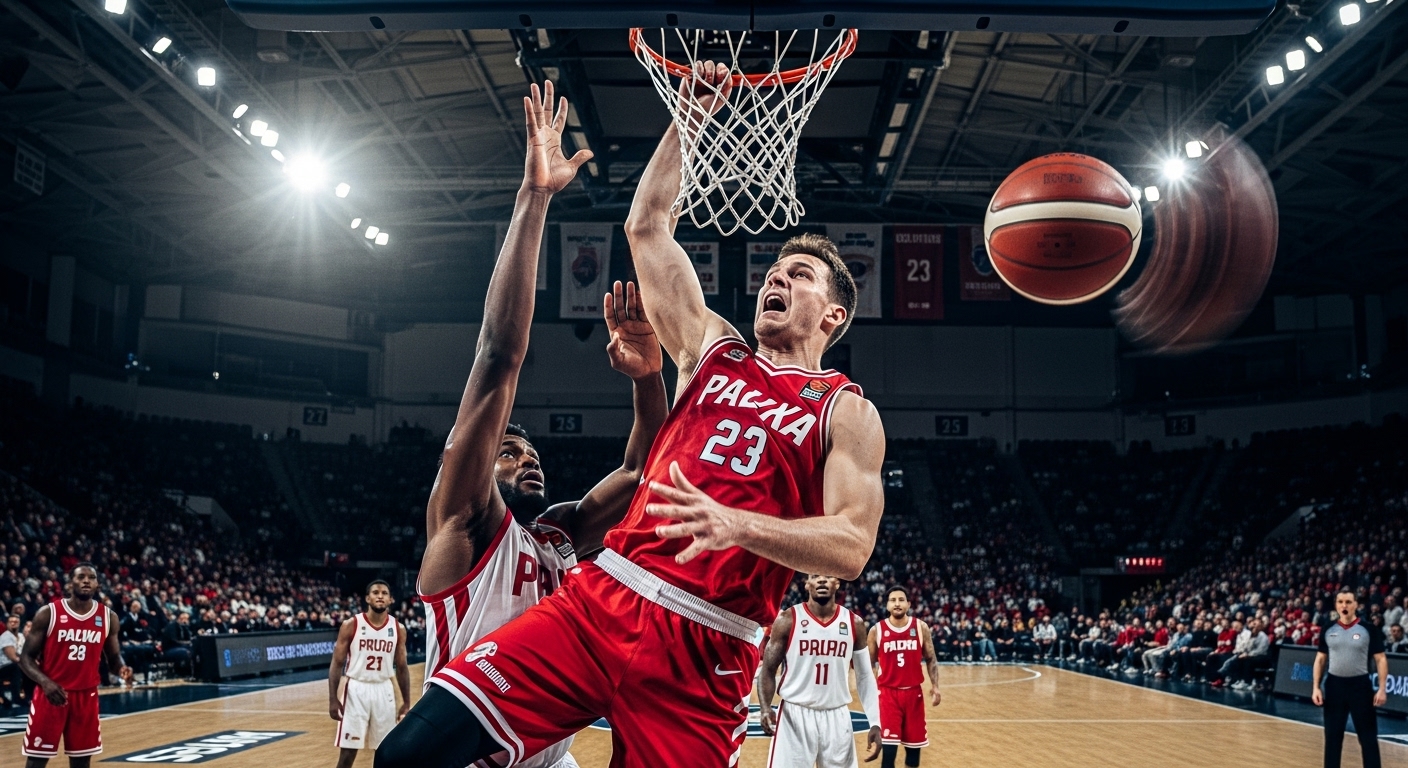
Sports are more than just games played on fields, courts, or tracks. They are a reflection of human spirit, discipline, and passion. From the roar of a stadium crowd to the quiet determination of an athlete training alone, sports shape lives in ways that go far beyond physical fitness. Whether it is building character, uniting communities, or inspiring future generations, the impact of sports is profound and multifaceted. In this article, we will explore the many dimensions of sports and understand why they remain an essential part of human culture.
The Origins and Evolution of Sports
The history of sports stretches back thousands of years. Ancient civilizations viewed athletic competitions as both a test of physical skill and a way to honor cultural traditions. The Olympic Games in Greece, dating back to 776 BC, were among the earliest examples of organized sports that celebrated strength, strategy, and endurance. Similarly, societies such as Egypt, China, and Rome incorporated sports for entertainment, military training, and social rituals.
Over the centuries, sports have evolved in form and structure. Medieval jousting, hunting, and archery gave way to organized team sports like football, cricket, and basketball during the 19th and 20th centuries. This evolution reflects the changing needs and interests of societies, as well as advancements in technology and communication, allowing sports to reach a global audience and become a universal cultural phenomenon.
Physical and Mental Benefits of Sports
Participating in sports provides a wealth of physical and mental advantages. Physically, sports enhance cardiovascular health, improve muscle strength, increase flexibility, and boost endurance. Regular engagement in athletic activities helps reduce the risk of chronic diseases such as diabetes, obesity, and heart conditions. Beyond fitness, sports encourage healthy habits that contribute to long-term well-being.
Mentally, sports are equally beneficial. They promote emotional resilience, reduce stress, and enhance cognitive function. The satisfaction of mastering a skill, winning a match, or simply pushing personal limits releases endorphins, which naturally improve mood and mental health. Team sports, in particular, cultivate essential social skills such as communication, teamwork, and leadership, preparing individuals for challenges both on and off the field.
The Role of Sports in Character Building
Sports serve as a powerful tool for personal development. Discipline, perseverance, and goal-setting are integral to athletic training and competition. Athletes learn to handle success and failure with grace, fostering humility and resilience. The journey of improvement, rather than just winning, teaches life lessons that are applicable in education, career, and personal relationships.
Team sports emphasize collaboration and shared responsibility. Individuals discover the importance of supporting teammates, respecting opponents, and making strategic decisions under pressure. Such experiences help develop critical thinking, empathy, and emotional intelligence, traits that extend far beyond the boundaries of sports.
Sports as a Social Connector
One of the most remarkable aspects of sports is their ability to unite people. Fans from diverse backgrounds come together to support teams or celebrate athletic achievements. Sporting events create a sense of community and shared identity, bringing together individuals who might otherwise never interact. The communal experience of cheering, celebrating, or even mourning together fosters strong social bonds.
Sports also promote inclusivity. Programs for women, youth, differently-abled athletes, and underrepresented groups have expanded opportunities for participation. By breaking down barriers and challenging stereotypes, sports contribute to social cohesion and equality, demonstrating that athletic pursuit is a right, not a privilege.
Economic and Career Opportunities in Sports
Sports have a significant impact on the economy. Professional leagues, tournaments, and events generate revenue through ticket sales, broadcasting, merchandise, and sponsorships. This economic activity creates jobs in coaching, event management, media, fitness training, and sports marketing. Local economies benefit from tourism associated with sporting events, further highlighting the economic importance of sports.
Moreover, sports provide career pathways for talented athletes. Many professionals begin their journeys through school or college programs, emphasizing the role of structured training and exposure. Beyond athletes, opportunities in sports science, analytics, physiotherapy, and coaching continue to expand, demonstrating that the industry offers diverse avenues for growth and professional development.
Technology and Innovation in Sports
Technology has transformed the landscape of sports in unprecedented ways. Performance tracking devices, wearable sensors, and video analysis allow athletes to monitor their progress and refine their skills. Innovations like instant replay, goal-line technology, and AI-assisted training enhance accuracy and fairness, creating a more engaging experience for both players and fans.
Broadcasting and digital media have also revolutionized sports consumption. Fans can watch live events globally, follow athletes on social media, and engage in interactive experiences. Virtual reality and esports are opening entirely new avenues for athletic engagement, blending traditional sports with modern technology to captivate a wider audience.
Inspirational Stories of Athletes
Athletes often embody stories of determination, resilience, and triumph over adversity. From recovering from career-threatening injuries to breaking social and cultural barriers, these stories inspire millions. They demonstrate that talent alone is not enough; dedication, focus, and an unyielding spirit are equally essential for success.
Sports role models extend their influence beyond the playing field. They advocate for social causes, engage with communities, and promote positive values such as discipline, respect, and teamwork. Their impact on society is profound, motivating young people to pursue their dreams and maintain high standards of integrity and perseverance.
Psychological Aspects of Competition
Competition is an inherent part of sports, driving athletes to excel. Understanding the psychology behind competitive performance sheds light on the importance of mental preparation, focus, and motivation. Athletes often use visualization, goal-setting, and mindfulness techniques to maintain composure under pressure and optimize performance.
Healthy competition teaches individuals to manage wins and losses gracefully. It encourages adaptability, strategic thinking, and problem-solving, fostering essential life skills. Experiencing and overcoming challenges in sports builds confidence and resilience, equipping individuals to face obstacles in every area of life.
Sports as a Vehicle for Social Change
Sports have historically played a critical role in advocating social change. From breaking racial barriers in professional leagues to championing gender equality, sports provide a platform for addressing societal issues. Athletes and organizations use their visibility and influence to promote awareness, inclusivity, and community engagement, demonstrating the power of sports as a catalyst for progress.
Grassroots sports initiatives also drive positive change, particularly in underserved communities. Programs that encourage youth participation, health awareness, and education foster personal growth and social responsibility. Through these efforts, sports transcend entertainment, contributing meaningfully to the development of society.
The Future of Sports
The future of sports promises continued innovation, accessibility, and global reach. Esports is gaining prominence, attracting younger audiences and redefining traditional concepts of competition. Sustainability in sports infrastructure is becoming a priority, with eco-friendly stadiums and environmentally conscious events shaping the industry’s future. Advances in technology, from AI-driven training to virtual engagement, will further enhance athlete performance and fan experiences.
Inclusivity will continue to be a driving force, ensuring that all individuals, regardless of gender, ability, or background, can participate in sports. The evolving nature of sports reflects a commitment to growth, innovation, and societal impact, ensuring its relevance for generations to come.
Conclusion: More Than Just a Game
Sports are far more than physical contests; they are a reflection of human values, ambitions, and creativity. They shape character, foster social connections, inspire innovation, and drive economic growth. The lessons learned on the field extend into every aspect of life, teaching discipline, resilience, and teamwork. Whether as athletes, fans, or community supporters, individuals engage with sports in ways that enrich their lives and the lives of those around them.
The essence of sports lies not only in victory but in participation, effort, and growth. It is the dedication to improvement, the joy of shared experiences, and the unifying power of play that make sports a cornerstone of human culture. Beyond the thrill of competition and the celebration of achievement, sports remain a timeless testament to human potential and the pursuit of excellence.