Introduction: The Universal Language of Sports
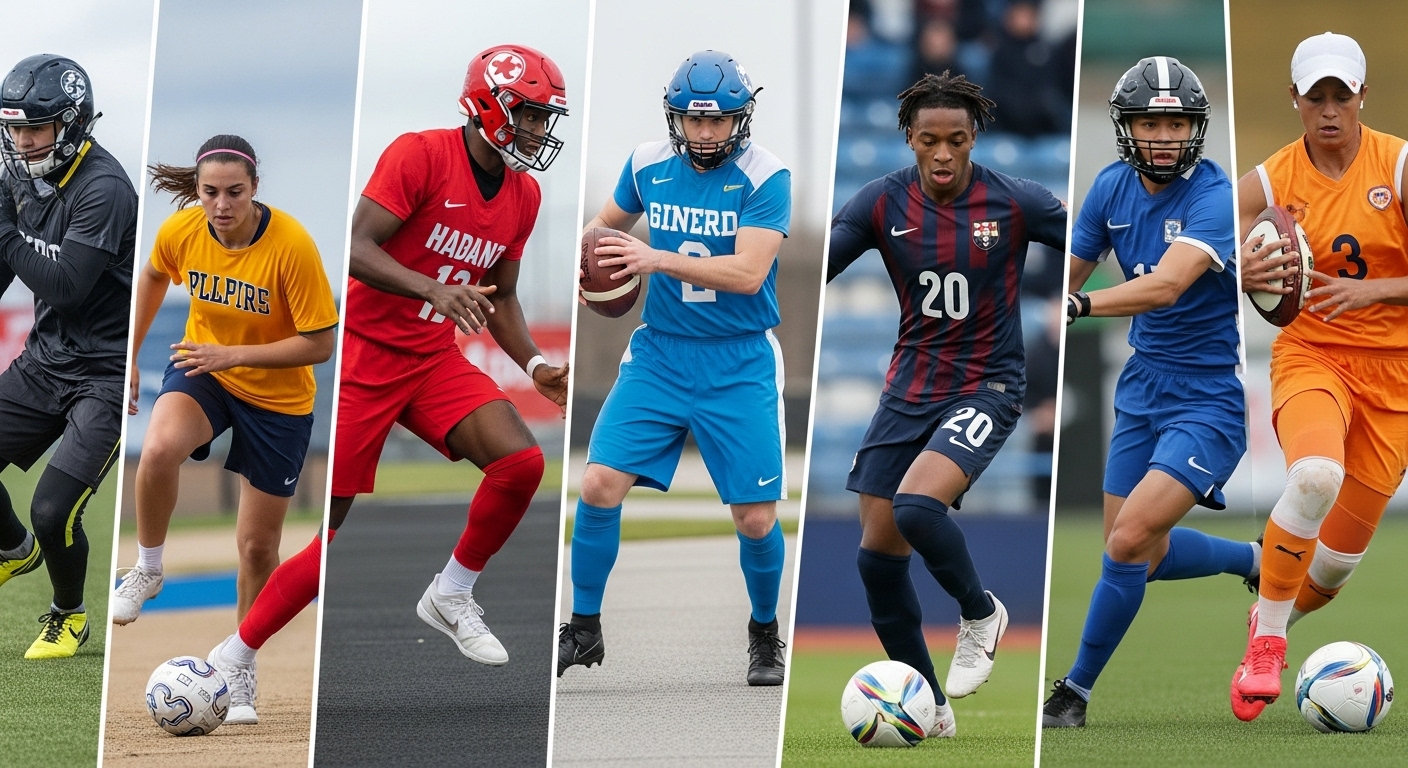
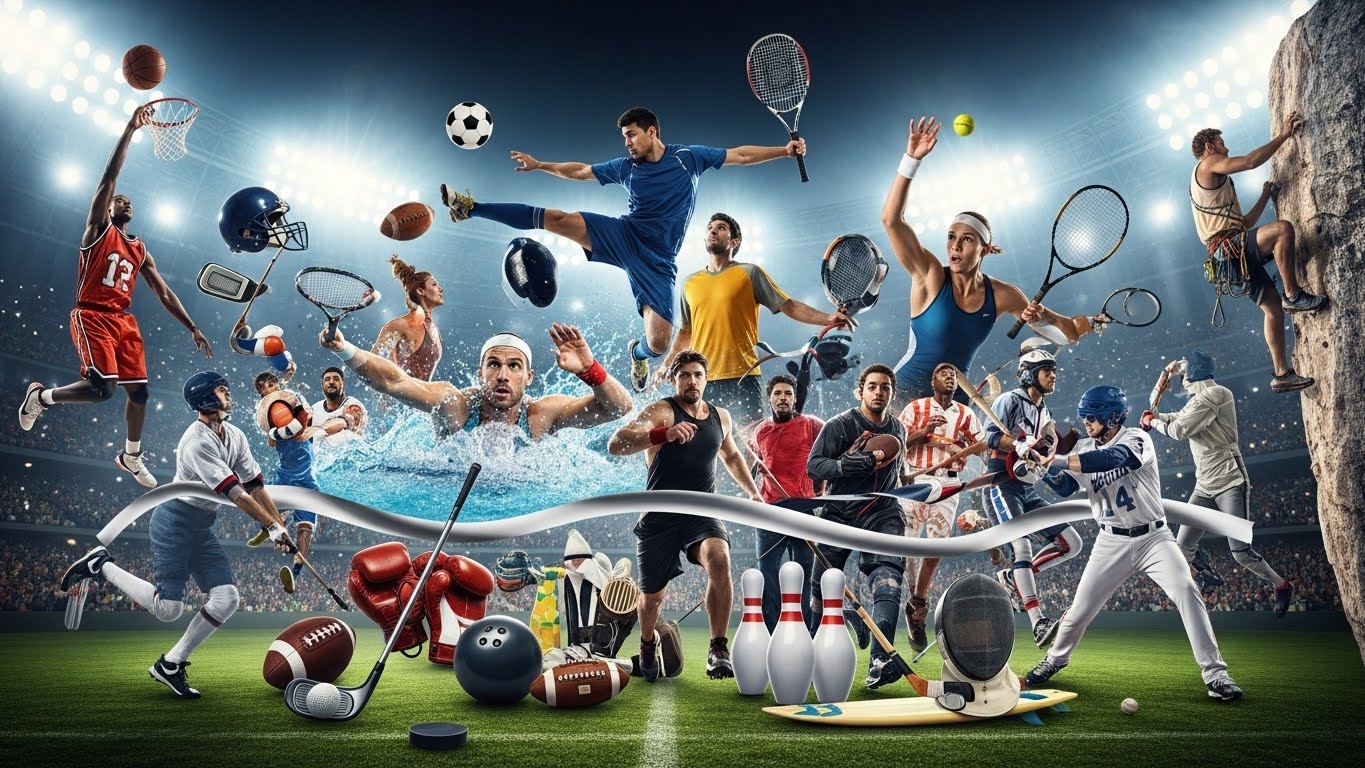
Sports have always been a universal language, transcending borders, cultures, and generations. From ancient arenas to modern stadiums, the essence of sports lies in competition, teamwork, discipline, and the sheer pursuit of excellence. Whether it’s football played in the streets, Olympic athletes striving for gold, or weekend joggers chasing personal bests, sports have an undeniable presence in human life.
They inspire unity and rivalry, pride and humility, triumph and heartbreak—all in a single moment. Over time, sports have evolved from simple recreational activities into global industries that shape economies, influence politics, and foster cultural exchange. To understand sports is to understand humanity’s enduring need to test limits, to strive for greatness, and to connect with others through shared emotion.
The Origins and Evolution of Sports
The story of sports begins in ancient civilizations. The earliest records suggest that physical competition existed as far back as 3000 BCE in Egypt and Mesopotamia, where wrestling, running, and hunting contests were part of rituals and celebrations. In ancient Greece, sports reached an organized form with the birth of the Olympic Games in 776 BCE. These events were not merely competitions; they were spiritual festivals that honored the gods and celebrated human capability.
Ancient Rome took sports in a different direction, emphasizing spectacle and entertainment. Gladiator contests and chariot races filled the massive Colosseum with roaring crowds. While brutal, these games demonstrated the Roman value of courage and endurance.
In Asia, sports like archery, martial arts, and horse riding had deep philosophical and military significance. The Chinese practice of martial arts and the Indian tradition of wrestling (kushti) were more than sports—they were disciplines of body and mind.
As centuries passed, medieval Europe saw the rise of jousting, fencing, and archery, reflecting the warrior culture of the time. By the 19th century, as industrialization spread and societies urbanized, organized sports emerged. Rules were codified, clubs were founded, and competitions became more structured. Sports such as football, cricket, tennis, and baseball began to dominate public life.
The 20th century witnessed the true globalization of sports. The Olympic Games were revived in 1896, and international organizations like FIFA and the International Cricket Council helped create global competitions that brought nations together. With the rise of television and later the internet, sports became a central part of modern entertainment and identity.
The Major Categories of Sports
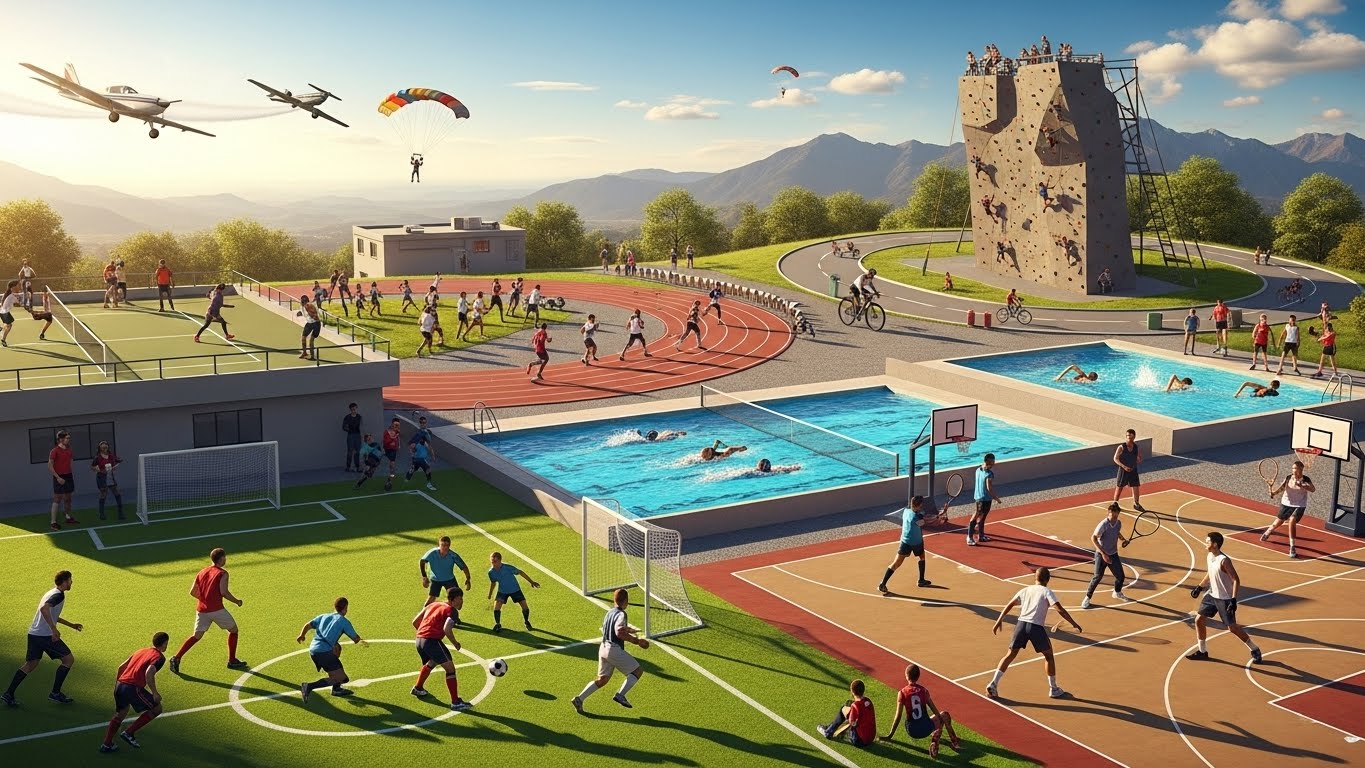
Sports come in countless forms, each appealing to different skills, cultures, and interests. Broadly, they can be divided into several major categories.
1. Team Sports
Team sports emphasize coordination, strategy, and unity. Football (soccer) is the world’s most popular sport, with billions following every major league and international tournament. Basketball, cricket, baseball, volleyball, and hockey are other examples of team sports that require collaboration and communication. Success depends not only on individual skill but also on the collective strength and chemistry of the team.
2. Individual Sports
Individual sports focus on personal discipline and performance. Athletics, swimming, gymnastics, boxing, and tennis are prime examples. These sports highlight personal excellence, often testing an athlete’s endurance, precision, and resilience. Every record broken becomes a testament to human potential.
3. Combat and Martial Arts
Combat sports like boxing, judo, taekwondo, wrestling, and mixed martial arts (MMA) are both ancient and modern. They embody not just physical power but also mental control and respect for the opponent. Martial arts, in particular, blend philosophy and physicality, emphasizing self-control and spiritual balance.
4. Adventure and Extreme Sports
Modern generations have created new forms of thrill-seeking competition. Skydiving, surfing, snowboarding, skateboarding, and mountain climbing attract those who love pushing the limits of danger and skill. These sports celebrate freedom and courage, often practiced in nature rather than stadiums.
5. Motor and E-Sports
Technology has expanded what we consider “sports.” Formula 1 racing, MotoGP, and rally driving require technical mastery and split-second precision. Meanwhile, e-sports—competitive video gaming—has emerged as a billion-dollar industry with international tournaments, professional teams, and millions of fans. Though digital, e-sports demand mental agility, focus, and strategy akin to traditional sports.
The Physical and Mental Benefits of Sports
Sports are not just entertainment; they are vital for human health and development. On the physical side, regular participation in sports strengthens muscles, improves cardiovascular health, enhances coordination, and boosts overall fitness. Children who grow up playing sports develop better motor skills and body awareness.
But the mental and emotional benefits are equally important. Sports teach patience, self-discipline, and resilience. Athletes learn to handle pressure, manage failure, and bounce back after defeat. These lessons extend beyond the field into daily life.
Sports also improve mental health. Physical activity triggers endorphins, the body’s natural mood enhancers, reducing stress, anxiety, and depression. For many, sports provide a sense of belonging and purpose—a team, a goal, a passion that fuels motivation.
Sports and Education: Building Character Through Play
The link between sports and education has been long recognized. Schools and universities around the world integrate sports into their curricula not only to promote physical fitness but also to build character. Through sports, students learn teamwork, leadership, and time management.
Student-athletes often demonstrate better academic performance because sports instill discipline and focus. Moreover, scholarships in sports open opportunities for talented youth from diverse backgrounds to access higher education.
Beyond academics, sports programs help curb negative behavior, providing constructive outlets for energy and emotion. They create community within schools, foster healthy competition, and teach respect for rules and opponents—values essential for personal and social growth.
The Economic Impact of Sports
Sports have evolved into a global economic powerhouse. From ticket sales and broadcasting rights to merchandise and sponsorships, the sports industry generates billions annually. Mega-events like the FIFA World Cup, the Olympics, and the Super Bowl attract massive audiences and investments.
Cities hosting such events experience tourism booms, infrastructure development, and global exposure. Major sports leagues, such as the NBA, Premier League, and IPL, drive entire ecosystems of media, advertising, and technology. Athletes themselves have become brands—icons whose influence extends into fashion, philanthropy, and business.
However, the commercialization of sports also raises ethical questions. Issues like inflated salaries, corruption in sports governance, and exploitation of young talent remain challenges. Balancing passion and profit is one of the ongoing debates in modern sports.
Gender and Sports: Breaking Barriers
For centuries, sports were male-dominated arenas. Women faced cultural, social, and institutional barriers that limited their participation. But the past few decades have witnessed a powerful transformation. Female athletes now compete at the highest levels, challenging stereotypes and redefining what strength and grace mean.
Icons like Serena Williams, Simone Biles, Megan Rapinoe, and Mary Kom have inspired millions by proving that excellence knows no gender. Women’s sports leagues are gaining popularity, and equal pay movements have sparked global conversations about fairness.
Still, equality in sports remains an ongoing battle. Representation, media coverage, and sponsorship opportunities often lag behind men’s sports. Yet the momentum for change is strong, and women’s participation continues to grow across all disciplines.
Sports and National Identity
Sports often serve as a reflection of national pride and identity. Victories in international competitions can unite nations, foster patriotism, and uplift morale during difficult times. When a small nation wins on the world stage, it becomes a symbol of resilience and hope.
Events like the Olympics and World Cup highlight cultural diversity while promoting friendly rivalry. Athletes become ambassadors of their countries, and their achievements resonate far beyond the field. For example, a gold medal can ignite national celebrations, while a heartbreak in defeat can bring collective sorrow.
At times, sports even influence diplomacy. The famous “Ping Pong Diplomacy” between the United States and China in the 1970s helped thaw political tensions, showing that sports can bridge divides when words cannot.
The Role of Technology in Modern Sports
The impact of technology on sports is revolutionary. Data analytics, wearable sensors, and AI-powered training systems have changed how athletes prepare and perform. Coaches use real-time statistics to refine strategies, while fans enjoy immersive viewing experiences through augmented reality and instant replays.
Injury prevention and recovery have also improved through advanced medical research and equipment. Biomechanical analysis helps athletes enhance efficiency and reduce strain. Even refereeing has been transformed with technologies like VAR in football and Hawk-Eye in tennis, ensuring fairer outcomes.
Social media has amplified the reach of sports personalities, turning athletes into global influencers who shape trends and conversations. Technology, in many ways, has made sports more accessible, engaging, and transparent.
Challenges Facing the World of Sports
Despite its unifying power, the world of sports faces numerous challenges. Doping scandals, corruption, racism, and match-fixing have tarnished the reputation of many sports organizations. The pressure on athletes to perform often leads to burnout and mental health struggles.
Financial inequalities between rich and poor nations or clubs make competition uneven. Moreover, the commercialization of youth sports sometimes prioritizes profit over player development and well-being.
Another growing concern is sustainability. Major sporting events produce enormous carbon footprints through travel, infrastructure, and waste. The sports industry must adapt to eco-friendly practices to ensure a sustainable future.
The Psychology of Sports: The Mind Behind the Game
Every great athlete knows that mental strength is as crucial as physical ability. Sports psychology focuses on motivation, concentration, emotional control, and confidence. Visualization, mindfulness, and self-talk are techniques athletes use to maintain focus under pressure.
The mental side of sports determines who thrives when the stakes are highest. Champions often describe entering a “flow state,” where mind and body work in perfect harmony. Understanding this psychological dimension has become central to modern training.
At the same time, discussions about mental health have become more open. Many top athletes have spoken about anxiety, depression, and burnout, encouraging others to seek help and normalize vulnerability in competitive environments.
The Spirit of Sportsmanship
At its heart, sports are not just about winning—they are about character. Sportsmanship is the invisible foundation of every competition. It embodies respect for opponents, adherence to rules, and humility in victory or defeat.
True sportsmanship transcends the scoreline. It’s seen in a runner helping a fallen competitor to the finish line, or a player acknowledging a referee’s fair call against them. These gestures remind us that sports are ultimately about humanity, not just performance.
In an era where competition can sometimes become ruthless, preserving this spirit is more important than ever. It ensures that sports remain a source of inspiration, not division.
Sports and Society: A Mirror of Change
Sports often mirror the social, political, and cultural shifts of the world. Movements for racial equality, gender rights, and social justice have found expression through athletes. When players take a knee, wear symbolic colors, or speak out against injustice, they use their platforms to advocate change.
The influence of sports extends into communities, providing hope and opportunity. Grassroots programs engage youth, reduce crime, and build leadership. In underprivileged areas, sports can be a path to education and empowerment.
At the same time, global sports events create spaces for cultural exchange. Fans from different nations share experiences, traditions, and friendships. Sports, therefore, serve as both reflection and driver of societal progress.
The Future of Sports
The future of sports will likely be shaped by technology, sustainability, and inclusivity. Virtual reality and AI-driven simulations could redefine training and fan engagement. New forms of competition—like drone racing or hybrid physical-digital games—are emerging.
Sustainability will play a larger role, with eco-friendly stadiums and green event planning. Accessibility, too, will expand through adaptive sports and better support for athletes with disabilities.
Above all, the core values of sports—dedication, fairness, and passion—will remain unchanged. The stage may evolve, but the spirit will endure.
Conclusion: Beyond the Game
Sports are far more than contests of strength or skill—they are expressions of human potential and unity. They teach us to strive, to respect, to persevere. From ancient fields to high-tech arenas, sports remain one of the purest forms of connection between people and nations.
As the world continues to change, sports will continue to inspire. They remind us that no matter our differences, we all understand the joy of victory, the pain of loss, and the beauty of effort. In every race, every match, and every game, we see a reflection of life itself—a journey of passion, perseverance, and progress.